Bar Height Bistro Table with Umbrella Hole: The Complete Outdoor Buying Guide
Everything you need to choose a high-top bistro table that pairs with shade, fits a compact space, and stands up to real weather.
Why this guide matters: A bar height bistro table with an umbrella hole is one of the most space-efficient ways to create a shaded outdoor dining or coffee spot. But the combination of height, a center pole, and often a compact footprint raises questions about stability, seating compatibility, and material choice. This guide walks you through each decision so you can buy with confidence.
What Makes a Bar Height Bistro Table Different
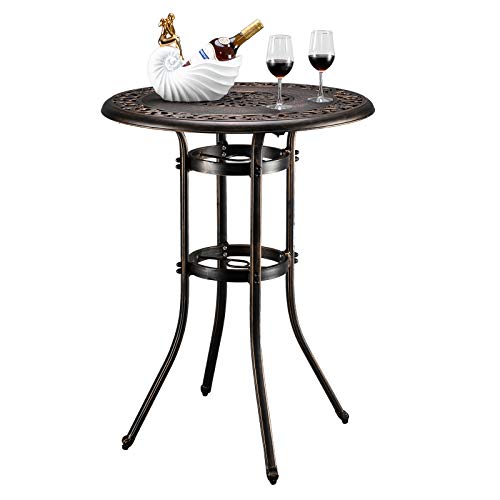
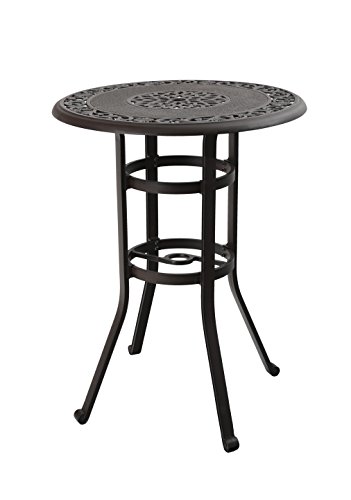
A bar height bistro table is a compact outdoor table built to standing or high-stool seating height. Most models measure between 38 and 42 inches at the tabletop, which places them well above standard dining tables and slightly above counter height models. The umbrella hole is a pre-drilled opening, usually centered, that accepts a patio umbrella pole so you can add shade without a separate freestanding umbrella base taking up floor space.
That combination is what makes this category appealing. A traditional dining table with an umbrella often needs a large canopy and a heavy base. A bar height bistro table with an umbrella hole lets you shade a small table directly, which is ideal for balconies, compact patios, breakfast corners, and poolside nooks. The trade-off is that the table must be stable enough to resist the leverage a canopy creates, so construction details matter more than they do on a plain table.
If you are still comparing bistro configurations, our guide to the bar height bistro table and chairs outdoor setup explains how seating height and table height work together. For models with swivel seating, see the bar height bistro set with swivel chairs overview.
Key Measurements Before You Choose
Height and footprint are the two specifications that most often lead to returns. Measure your space and your intended seating before you compare styles. The table below summarizes the ranges you will encounter across the category.
| Specification | Typical Range | Why It Matters |
|---|---|---|
| Tabletop height | 38–42 inches (bar height) | Must match stool seat height so knees clear the apron |
| Recommended stool seat height | 28–30 inches | Leaves roughly 10–12 inches between seat and tabletop |
| Umbrella pole opening | 1.5–2 inches diameter | Confirm your umbrella pole fits before buying |
| Tabletop diameter (round) | 24–36 inches | Two to four people; smaller tops suit balconies |
| Tabletop dimensions (square) | 28–32 inches per side | More usable edge space than a similar-diameter round top |
| Recommended umbrella canopy | 7–9 feet | Smaller canopy reduces wind leverage on a compact base |
| Clearance per seated side | 24–30 inches | Room to pull stools in and out comfortably |
Measure the pole, not just the hole
Umbrella poles vary. A hole that is nominally 1.5 inches may not accept a 1.5-inch pole with a thicker finish or a tilt mechanism. If you already own an umbrella, bring its pole diameter with you when comparing tables, or check the listing for the exact opening dimension. For larger shade coverage, a 9-foot patio umbrella with solar lights is a common pairing, but it demands a heavier base than a small market umbrella.
Materials: Matching the Table to Your Climate
Material choice affects weight, maintenance, and how well the table survives sun, rain, and salt air. The tiers below describe relative market position, not specific figures.
- Powder-coated aluminum (mid-range to premium): Lightweight, rust-resistant, and easy to move. A solid choice for balconies where you may reposition the table. Look for a reinforced top and a wide foot for stability.
- Cast aluminum (premium to high-end tier): Heavier and more ornate, with excellent wind resistance for its size. Cast tops often feature decorative patterns and hold up well in coastal conditions.
- Teak and acacia (mid-range to luxury): Natural warmth and a premium feel. Teak is naturally weather-resistant; acacia needs periodic sealing. Both are long-term investments when cared for.
- Resin wicker over aluminum frame (entry-level to mid-range): Attractive texture and good weather resistance at a lower weight. Check that the weave is tight and the frame is aluminum rather than steel.
- Steel (mid-tier to professional-grade): Heavy-duty and stable, but only suitable outdoors with a rust-proof finish. Best for covered patios or regions with low humidity.
If you are furnishing a larger dining area nearby, it helps to keep finishes consistent. Our guides to aluminum outdoor dining tables with umbrella holes and acacia wood dining tables with umbrella holes cover full-size alternatives that share the same shade strategy.
Stability and Wind: The Umbrella Factor
An umbrella turns a table into a sail. On a compact bar height table, that leverage is concentrated on a smaller base, so stability deserves more attention than it does on a standard dining table. Prioritize these features:
- A wide, flat foot or cross base that spreads load across the patio surface
- A tabletop thickness and frame that resist flexing when the umbrella tilts in wind
- Compatibility with a weighted base plate sized for your canopy
- A locking collar or friction ring where the pole meets the table
- Non-marking glides that keep the table planted on tile or decking
On an exposed balcony, consider a smaller canopy or a tilt umbrella that you can close quickly. If your space is fully covered, wind exposure drops and you can focus more on tabletop finish and seating comfort. For shade structures that remove the umbrella question entirely, see our notes on an A-frame patio cover attached to a house.
Pairing Seating with Bar Height
The most common mistake is buying stools that are too low or too tall. A bar height table typically pairs with stools that have a seat height of 28 to 30 inches. Counter height stools, usually around 24 to 26 inches, will leave you reaching upward. Check the footrest position as well, since a comfortable footrest reduces pressure on the backs of the legs during longer meals.
Swivel stools make it easier to get in and out of a compact table without scraping the frame. Backless stools tuck fully underneath, which is useful on a balcony. If you want a matched look, a 9-piece bar height outdoor dining set shows how manufacturers coordinate table and stool proportions at this height. For a four-seat arrangement with a square top, the 9-piece outdoor dining set with a square table is a useful reference for spacing.
Designing a Small Space Around the Table
Bar height bistro tables shine where floor area is limited. A round top softens the look and removes corners in tight passages, while a square top gives each diner a defined edge. Keep at least one side open for entry, and place the umbrella so the canopy does not crowd a doorway or a railing.
If your space is a balcony rather than a ground-level patio, our balcony outdoor furniture for small spaces guide covers layout patterns that work with a high-top table. For patio-level layouts, the small patio ideas collection includes spacing diagrams and traffic-flow tips.
Think about the umbrella before the table
Decide your shade coverage first, then choose a table that accepts the pole diameter and canopy size you need. Working in this order prevents the frustration of a table that fits the space but cannot support the umbrella you already own.
Care and Seasonal Maintenance
Care routines are simple but differ by material. Powder-coated aluminum and resin wicker wipe clean with mild soap and water. Cast aluminum benefits from a rinse after coastal exposure to remove salt film. Wood tables need a light cleaning and periodic sealing to prevent drying and cracking. In freezing climates, store the umbrella indoors and consider covering the table during extended storms.
For a broader maintenance schedule that covers cushions, frames, and shade, see the weatherproofing guide. If you are planning a full outdoor refresh alongside the bistro table, the patio essentials checklist helps you sequence purchases.
Alternatives Worth Considering
A bar height bistro table is not the only compact option. If you prefer standard dining height, a bar height dining table with a fire pit in the middle explores a different entertainment format. For full-size gatherings, the 9-piece outdoor dining set with an umbrella hole and the 9-piece outdoor dining set with umbrella show how larger tables handle shade. And if your priority is a lounge-style coffee setting rather than dining, an adjustable height outdoor coffee dining table offers flexibility between heights.
Frequently Asked Questions
What is the standard height of a bar height bistro table?
Bar height bistro tables typically stand between 38 and 42 inches tall, designed to pair with bar stools that have a seat height of roughly 28 to 30 inches. Counter height tables are slightly lower at about 34 to 36 inches. Always measure both the table and your chosen seating to confirm comfortable knee clearance.
What size umbrella fits a bar height bistro table?
Most bar height bistro tables accept a 1.5 to 2 inch umbrella pole. The umbrella canopy should generally measure between 7 and 9 feet across for a small table, but you should verify the recommended canopy size in the manufacturer specifications because an oversized canopy on a compact base can create a leverage issue in gusty conditions.
Do bar height bistro tables with umbrella holes need a weighted base?
Yes, a weighted base is strongly recommended. The umbrella acts like a sail, and a lightweight table alone may not resist wind. Many bistro tables include a base plate or allow you to add one. Choose a table with a wide, stable foot and pair it with an appropriate weighted base for the canopy size you plan to use.
Which material is best for an outdoor bar height bistro table?
Powder-coated aluminum and cast aluminum are excellent for rust resistance and low maintenance. Teak and acacia offer natural warmth but need periodic sealing. Resin wicker over an aluminum frame balances style and weather resistance. Steel is heavy-duty but requires a rust-proof finish. Match the material to your climate, maintenance preference, and how much direct sun and rain the table will face.
How much space do I need around a bar height bistro table?
Allow roughly 24 to 30 inches of clearance on each side for seated guests to pull stools in and out comfortably. On a balcony, you can reduce this slightly if the table sits against a wall, but keep at least one open side for entry. Measure your balcony or patio depth before choosing a round, square, or rectangular top.
Can I leave a bar height bistro table outside year-round?
It depends on the material and climate. Powder-coated aluminum, resin wicker, and high-grade teak handle year-round exposure well in mild climates. In freezing or storm-prone regions, store the umbrella and consider a protective cover for the table. Always check the manufacturer warranty and care instructions for your specific model.