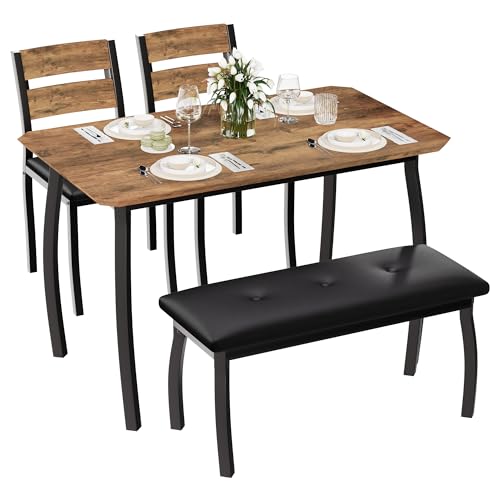
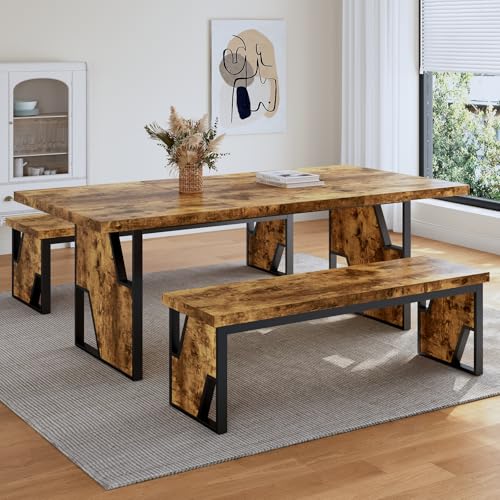
Dining Table with Two Chairs and Bench: The Complete Buying Guide
Everything you need to know before choosing a compact dining set that pairs a bench with two chairs — sizing, materials, layout, and styling for real spaces.
START EXPLORINGWhy this configuration works: A dining table with two chairs and a bench is one of the most space-efficient seating arrangements available. The bench side tucks neatly against a wall or window, while the two chairs opposite offer comfortable, movable seating. It is a smart choice for breakfast nooks, small apartments, casual family kitchens, and even covered patios.
What Is a Dining Table with Two Chairs and Bench?
A dining table with two chairs and a bench is a three-piece seating arrangement: one table, two individual chairs on one long side, and a bench on the opposite long side. This setup seats three to four people comfortably and is particularly popular in homes where floor space is limited or where a casual, family-style dining experience is preferred.
The bench typically spans the length of the table, allowing two adults or three children to sit side by side. Unlike a full chair set, the bench can be pushed entirely under the table when not in use, freeing up valuable walkway space. This makes the configuration a natural fit for dining tables with a bench for small spaces and open-plan kitchens.
If you are exploring related layouts, you may also want to compare this setup with a dining table with bench and two chairs variation, which follows the same seating logic but may differ in bench placement or table shape.
Key Buying Factors to Consider
Before you commit to a set, evaluate these five factors. They determine whether the piece will fit your room, your household, and your daily routine.
1. Table Dimensions and Seating Capacity
For a two-chair-and-bench configuration, aim for a table length between 48 and 60 inches. This provides enough room for two place settings on the chair side and two on the bench side without elbow collisions. A table width of 30 to 36 inches allows comfortable serving space in the center. Always leave at least 36 inches of clearance around the table so chairs and bench users can get in and out easily.
If your space is tighter, a dining table and bench set with a narrower profile may be a better fit. For households that occasionally host more guests, consider an extendable dining table with bench and chairs that grows with your needs.
2. Material and Build Quality
Material choice affects durability, maintenance, and visual warmth. Solid wood — particularly oak, acacia, and teak — offers a timeless look and can be refinished over time. High-grade engineered wood with a veneer provides stability and a consistent finish. For outdoor or patio use, powder-coated aluminum and HDPE lumber resist moisture and UV damage better than natural wood.
Pay attention to joinery: mortise-and-tenon or doweled joints are more robust than simple screw attachments. A reinforced apron under the tabletop and a bench with cross-bracing resist wobble over years of daily use.
3. Bench Design and Comfort
Benches come in three main styles: backless, back-supported, and storage benches. Backless benches tuck fully under the table and suit compact rooms. Back-supported benches provide more comfort for longer meals but require additional clearance behind them. Storage benches add hidden compartments for linens or board games, which is useful in small homes.
If comfort is a priority, look for a bench with a contoured seat or add a bench cushion. A dining table with bench with back and chairs is a good option when you want the bench to feel more like a sofa seat.
4. Chair Style and Match
The two chairs should complement the bench and table without looking mismatched. Common pairings include Windsor chairs with farmhouse tables, upholstered dining chairs with modern wood tables, and metal bistro chairs with industrial-style benches. Ensure the seat height of the chairs matches the table height: standard dining tables are 28 to 30 inches high, so chair seat heights should be around 17 to 19 inches.
For a cohesive look, explore sets such as a dining table with bench and upholstered chairs or a dining table with a bench and chairs that are designed as a matched collection.
5. Style and Finish
The finish should suit your interior. Light oak and whitewashed finishes brighten small rooms; dark walnut and espresso tones add formality; natural wood tones bridge rustic and modern styles. If you are furnishing a farmhouse-style kitchen, a farmhouse dining table with bench and chairs is a natural fit. For a cleaner contemporary look, a dining table with bench and chairs set in a matte finish works well.
Seating Configurations Compared
Use this table to understand how the two-chair-and-bench setup compares with common alternatives. The table uses tier descriptors rather than numeric figures to remain relevant over time.
| Configuration | Typical Seating | Space Efficiency | Best For |
|---|---|---|---|
| Table + 2 chairs + bench | 3–4 people | High — bench tucks under table | Breakfast nooks, small kitchens, casual family meals |
| Table + 4 chairs | 4 people | Moderate — chairs need pull-out clearance on both sides | Formal dining rooms, households that prefer individual seats |
| Table + bench + 4 chairs | 5–6 people | Moderate — requires a longer table | Growing families, occasional entertaining |
| Corner bench + chairs | 4–5 people | High — utilizes a corner | Built-in banquettes, awkward corner spaces |
If your room has a corner, a dining table with corner bench and chairs can be even more space-efficient than a straight bench. For households that need maximum seating without expanding the table, a dining table with bench and 4 chairs is worth considering.
Layout and Styling Tips
Place the bench against a wall, window, or half-wall to create a banquette effect. This anchors the dining zone and keeps the open side of the table clear for chair access. If the table sits in the middle of an open-plan room, position the bench on the side with less foot traffic.
Add a bench cushion in a durable, wipeable fabric for comfort and visual softness. A rug that extends at least 24 inches beyond the table edges helps define the dining area without overwhelming a small room. Keep centerpieces low so they do not block conversation across the table.
For outdoor or patio dining, choose a 3-piece dining set with weather-resistant materials. A dining outdoor patio set in this configuration works well on covered porches and small decks. If you are setting up a dedicated outdoor dining space, the broader dining table with bench and chairs category covers additional outdoor-friendly options.
Need help with assembly or placement? Our delivery and assembly guide explains what to expect and how to prepare your space before the set arrives.
Quality Tiers Explained
Dining sets in this category generally fall into three broad quality tiers. Use these descriptors to compare products without relying on transient numeric figures.
Entry-Level Entry-level sets typically use engineered wood or thinner solid wood with simpler joinery. They suit light daily use, rental units, and first apartments. The finish may be a printed veneer rather than a true wood grain.
Mid-Range Mid-range sets use solid wood or high-grade engineered wood with reinforced joints. The bench often includes a contoured seat, and the table may feature a protective finish that resists everyday wear. This tier is the most balanced choice for family households.
Premium Premium sets use hardwood such as oak, teak, or acacia with mortise-and-tenon joinery and hand-finished surfaces. These are long-term investments intended to be refinished and passed down. For outdoor use, premium means marine-grade hardware and UV-stable finishes.
Frequently Asked Questions
What is a dining table with two chairs and bench best used for?
It is ideal for compact dining areas, breakfast nooks, small apartments, and casual family meals. The bench maximizes seating along one side while the two chairs provide comfortable individual seating on the other, making it space-efficient for two to four people.
How many people can a dining table with two chairs and bench seat?
Typically three to four adults comfortably. The bench can accommodate two adults or three children, while the two chairs each seat one adult. Some wider tables may allow additional seating at the ends.
What size dining table works with two chairs and a bench?
A table length between 48 and 60 inches works best. A width of 30 to 36 inches provides comfortable room for place settings. Always leave at least 36 inches of clearance around the table for chair pull-out and walking space.
What materials are best for a dining table with bench seating?
Solid wood and high-grade engineered wood offer durability and timeless appeal indoors. For outdoor or patio use, powder-coated aluminum, weather-resistant acacia, teak, and HDPE lumber provide the best balance of longevity and low maintenance.
How do I style a dining table with two chairs and bench?
Place the bench on the side facing a wall or window for a cozy banquette feel, and position the two chairs opposite for easy access. Use cushions on the bench, add a low centerpiece, and choose a rug that extends at least 24 inches beyond the table edges.
Quick summary: A dining table with two chairs and bench is a space-smart seating solution that seats three to four people and suits small kitchens, breakfast nooks, apartments, and covered patios.
Prioritize table length (48–60 inches), matched seat heights, and solid joinery. Choose the bench style based on comfort versus clearance needs, and select materials that match your indoor or outdoor environment.
Compare tier descriptors — entry-level, mid-range, and premium — rather than numeric figures when evaluating durability and finish quality.