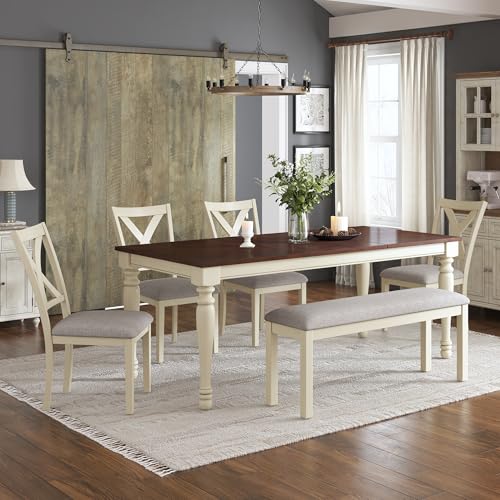
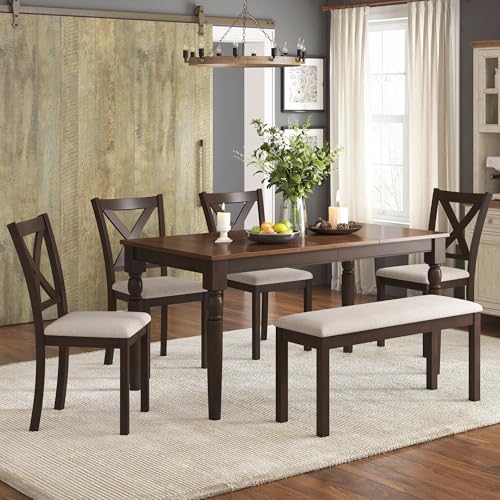
Farmhouse Dining Table with Bench and Chairs: The Complete Buying Guide
Everything you need to know before choosing a farmhouse dining set — from wood types and bench layouts to seating capacity, comfort, and long-term durability.
The farmhouse dining table with bench and chairs has become one of the most requested dining room configurations in modern homes. It blends the relaxed, communal feel of a classic farmhouse kitchen with the practical seating flexibility that busy households need. A long trestle or planked table paired with a bench on one side and chairs on the other offers a distinctive visual rhythm that a standard six-chair set simply cannot match.
If you are researching this setup, you are likely comparing layouts, materials, and durability before committing. This guide walks you through the design logic, seating arrangements, wood and finish options, comfort considerations, and the questions to ask before ordering — so you can choose with confidence.
Why Choose a Farmhouse Table with Bench and Chairs?
The appeal of this arrangement goes beyond aesthetics. A bench seats more people in less floor space than individual chairs, which makes it especially effective in open-plan kitchens and dining rooms where circulation matters. Benches also slide fully under the table, freeing up walkway space when the room is not in use.
From a design standpoint, the mix of a bench and chairs creates visual balance. Chairs anchor the ends or one long side, while the bench softens the composition and reinforces the farmhouse character. This asymmetric seating is a defining feature of farmhouse dining set with bench and chairs collections and is often what makes them feel intentional rather than generic.
- Space efficiency: benches tuck completely under the table, reducing the footprint.
- Higher seating capacity: a bench typically fits two to three people on one side.
- Social atmosphere: bench seating encourages closer, more communal meals.
- Design contrast: the bench-and-chair mix adds texture and visual interest.
- Family-friendly: benches are easier for children to climb onto and sit at.
Common Seating Layouts for Farmhouse Dining Sets
How you distribute the bench and chairs determines both comfort and traffic flow. The most common configurations are outlined below, and each suits a different room shape and household size.
Bench on One Side, Chairs on the Other
This is the classic farmhouse arrangement. A bench runs along one long side while two or three chairs line the opposite side, with optional chairs at each end. It is ideal for rectangular tables and works well when one side of the table faces a wall. For a closer look at this layout, see the dining table with bench on one side guide.
Bench Plus Chairs at the Ends
Placing the bench along one long side and positioning chairs at the head and foot of the table creates a balanced, formal-but-relaxed look. This works especially well in longer rooms where the table is the visual centerpiece. A dining table with bench and chairs in this configuration reads as deliberate and well-proportioned.
Two Benches (Corner or Parallel)
Some households prefer benches on both long sides for maximum seating. This is common in large farmhouse kitchens and works best when the table is freestanding rather than against a wall. Explore dining room set with bench and chairs options if you want a more traditional chair-forward look instead.
Corner Bench and L-Shaped Seating
In compact dining nooks, an L-shaped or corner bench maximizes seating while using the walls efficiently. This arrangement is particularly popular in breakfast nooks and open kitchens. See the dining room corner bench collection for inspiration.
Table Materials: What to Look For
Farmhouse tables are typically built from solid wood, but the species and construction method vary widely. Understanding these differences is the key to choosing a table that will hold up to daily use for years.
| Material | Tier | Best For | Key Consideration |
|---|---|---|---|
| Pine / Rubberwood | Entry-Level | Casual family dining | Softer grain; benefits from a protective finish |
| Oak | Mid-Range | Everyday family use | Dense, durable grain with strong visual character |
| Acacia / Mango | Mid-Range | Rustic and live-edge looks | Distinct grain variation; seal to prevent movement |
| Walnut | Premium | Formal farmhouse dining | Rich tone and tight grain; heavier tabletop |
| Reclaimed / Solid Hardwood | Luxury | Heirloom-quality centerpieces | Unique character; verify kiln-drying and joinery |
Beyond the species, inspect the construction. A well-built farmhouse table uses reinforced aprons, corner blocks, and either mortise-and-tenon or heavy-duty bolt joinery. Tables with thin aprons or butt-jointed legs are more prone to wobble over time. If you plan to move the set between rooms, consider a mid-range option with solid joinery — it balances stability with manageable weight.
Bench Design and Comfort Considerations
The bench is the defining element of this setup, so it deserves careful attention. Key decisions include whether the bench has a back, how deep the seat is, and how it attaches to or tucks under the table.
Backed vs. Backless Benches
Backless benches slide fully under the table and are the most space-efficient option. However, they offer less lower-back support during long meals. A dining table bench with back provides more comfort for extended dining but requires clearance behind it and cannot tuck as far under the table.
Seat Depth and Cushioning
A bench seat depth of roughly 14 to 16 inches is comfortable for most adults. Wooden benches can be paired with a slim bench cushion for added comfort without losing the farmhouse look. For households that entertain frequently, a cushioned bench is a worthwhile upgrade — see our notes on dining bench seat comfort design.
Storage Benches
Some benches include lift-up or drawer storage for table linens, board games, or serving pieces. A dining table with storage bench and chairs is a smart choice for smaller rooms where every square foot matters.
How to Match Table Size to Seating Capacity
A common mistake is choosing a table that is too small for the bench and chairs you plan to pair with it. As a general rule, allow about 24 inches of table width per person seated along a side, and 12 to 18 inches of clearance between the table edge and the nearest wall.
- Four-person setup: a bench on one side and two chairs opposite works well on a table around 60 inches long.
- Six-person setup: a bench plus three chairs, or a bench plus two chairs and two end chairs, typically needs a 72-inch table.
- Eight-person setup: a longer bench with chairs at both ends suits a table of 84 to 96 inches.
If your space is tight, a dining table with bench for small spaces can be the difference between a cramped room and a comfortable one. Conversely, larger households may prefer a dining table set for 6 with bench or an 8-seat configuration with bench to accommodate guests.
Farmhouse Style Variations and Finishes
Farmhouse design is not a single look. The finish you choose should reflect how the room is used and how much maintenance you are prepared to do.
- Natural wood finish: highlights grain; best for oak, acacia, and walnut. Requires periodic oiling or sealing.
- Whitewashed or distressed: classic farmhouse character; hides minor scratches well.
- Two-tone (white base, wood top): brightens the room while keeping the tabletop practical.
- Dark stained: more formal farmhouse feel; shows dust less than white finishes.
If you are comparing full-set options, the farmhouse dining table and chairs with bench guide covers how finishes are coordinated across the table, bench, and chair frames.
Durability and Long-Term Care
A farmhouse dining set is a long-term investment, so durability should be weighed as heavily as style. Solid wood tops with reinforced aprons and properly kiln-dried lumber resist warping and seasonal movement better than softwood alternatives.
Care requirements are modest but consistent. Wipe spills promptly, use coasters for hot dishes, and reapply a protective finish every one to two years depending on use. Benches with cushioned seats should be spot-cleaned and, if possible, have removable covers. Chairs with upholstered seats benefit from a fabric protector spray. If you are ordering a larger set, review the delivery and assembly guidance so you understand what installation involves.
Buying Checklist Before You Order
Use this checklist to compare options methodically. It is designed for buyers who already know they want a farmhouse table with bench and chairs and are now narrowing down specifics.
- Measure the room and confirm clearance on all sides, including behind the bench.
- Decide on seating capacity and whether you need end chairs.
- Confirm the bench type: backless, backed, storage, or upholstered.
- Verify the wood species and whether the top is solid or veneered.
- Check joinery details: aprons, corner blocks, and leg thickness.
- Review the finish and its maintenance requirements.
- Confirm assembly requirements and whether tools are included.
- Read the warranty terms and return policy before ordering.
For households that want a slightly different silhouette, an extendable dining table with bench and chairs adds flexibility for holidays and larger gatherings without changing the everyday footprint.
Frequently Asked Questions
Is a farmhouse table with a bench comfortable for long meals?
Backless benches are comfortable for typical meals but offer less lower-back support than chairs. If your household regularly hosts long dinners, choose a backed bench or add a bench cushion. Many buyers pair a backless bench with chairs opposite, which balances space efficiency and comfort.
How many people can sit at a bench-and-chair farmhouse table?
A 72-inch table with a bench on one side and three chairs opposite typically seats six, and eight if you add chairs at each end. Bench capacity depends on bench length — allow about 24 inches of bench width per adult.
Can a bench be used with a table that already has chairs?
Yes, and it is a common upgrade. Replacing two or three chairs on one side with a bench increases seating flexibility and frees up floor space. Just confirm the bench height matches the table apron clearance so it tucks under properly.
What wood is best for a farmhouse dining table?
Oak and acacia are strong mid-range choices for everyday family use. Walnut and reclaimed hardwood sit in the premium and luxury tiers and suit buyers who want a statement piece. Pine is common at the entry-level tier but benefits from a durable protective finish.
Do farmhouse benches need to be attached to the table?
No. Freestanding benches are the standard and are easier to move for cleaning and reconfiguring. Attached benches are occasionally found in built-in nook designs, but freestanding is more flexible for most homes.
Ready to Compare Farmhouse Dining Sets?
Review the recommended options below to compare materials, bench styles, and seating configurations side by side. Each listing includes the details that matter most for a farmhouse dining table with bench and chairs.