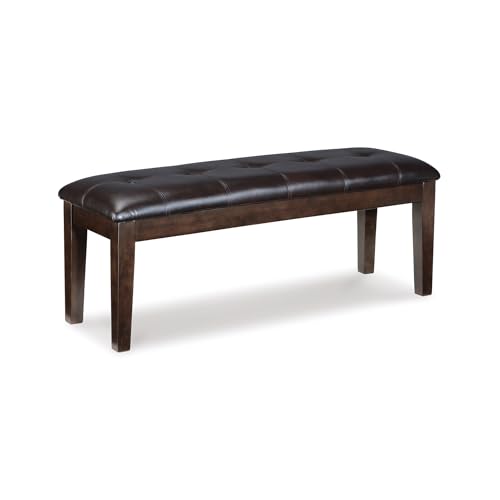
Dining Table Bench with Back: The Complete Buying Guide
Everything you need to know about choosing a comfortable, durable, and stylish dining table bench with backrest for your outdoor or indoor dining space.
Why Choose a Dining Table Bench with Back?
A dining table bench with back combines the space-saving benefits of bench seating with the ergonomic support of a traditional chair. For patios, decks, and indoor dining rooms alike, this hybrid seating solution offers a balance of comfort, capacity, and visual appeal that standalone chairs often struggle to match.
The most significant advantage is comfort. A backrest provides crucial lumbar support during long meals and gatherings, encouraging proper posture and reducing fatigue. Unlike backless benches that force guests to lean forward or slouch, a bench with back lets everyone relax into their seat — much like a dining chair, but with room for more people.
Space efficiency is another major draw. A bench seats two to three adults in the footprint of roughly two chairs, making it an excellent choice for compact patios or dining areas where every inch counts. When paired with a dining table with bench and chairs, you get versatile seating that adapts to both intimate family dinners and larger gatherings.
From a design perspective, benches with backrests create a clean, unified look. They visually anchor a dining table and eliminate the visual clutter of mismatched chair styles. Many homeowners pair a bench on one side of the table with chairs on the other — a setup that feels intentional and balanced. Explore our guide on dining table with bench on one side for layout inspiration.
Materials & Durability: What Holds Up Outdoors?
The material of your dining bench determines not only its appearance but also how well it survives sun, rain, and temperature swings. Here is a breakdown of the most common options and what each tier offers.
Solid Wood (Teak, Eucalyptus, Acacia)
Wood remains the gold standard for warmth and natural beauty. Teak is the flagship tier — naturally rich in oils that repel water and resist rot. Eucalyptus is a strong mid-range contender, offering similar durability at a more accessible position in the market. Acacia is a popular essential-tier choice for its density and striking grain. Regardless of species, a weather-resistant coating or annual sealant is essential for longevity. See our wood sealants guide for product recommendations.
Metal (Powder-Coated Aluminum & Steel)
Powder-coated aluminum is lightweight, rust-proof, and available in a wide array of finishes. It is a top-tier choice for coastal climates where salt air accelerates corrosion. Steel frames are heavier and sturdier but require a rust-proof finish to prevent degradation. Metal benches often pair well with dining table with bench and chairs set configurations that include metal tables.
HDPE & All-Weather Wicker
High-density polyethylene (HDPE) is a synthetic material engineered to mimic wood grain while resisting moisture, fading, and insects. It sits in the mid-range to premium tier and requires virtually no maintenance beyond occasional cleaning. All-weather wicker — typically woven over an aluminum frame — offers a textured, traditional look with excellent durability. Both are smart picks for homeowners who prefer a low-maintenance outdoor setup.
Pro tip: If your patio is fully covered or screened, you have more flexibility with materials. Open-sky patios demand the highest weather resistance — prioritize teak, powder-coated aluminum, or HDPE.
Sizing & Pairing Guide: Finding the Right Fit
Bench dimensions must align with your table and available space. A bench that is too long will crowd the table ends; one that is too short leaves awkward gaps. Use this guide to match your bench to your table size.
Standard Bench Lengths
- 48 inches: Seats two adults comfortably; suits a 4-seat table. Ideal for dining table set for 4 with bench arrangements.
- 60 inches: Seats two to three adults; pairs well with a 6-seat table. A common size for dining table set for 6 with bench.
- 72 inches: Seats three adults; matches an 8-seat table. Consider a dining table set for 8 with bench for larger families.
Seat Height & Table Clearance
Standard dining benches stand 18 to 20 inches tall at the seat, aligning with most dining tables that are 28 to 30 inches high. Allow at least 12 inches of clearance between the bench seat and the table apron for comfortable legroom. If your table has a thick apron or decorative skirt, opt for a bench on the lower end of the height range.
Depth & Backrest Angle
Bench depth typically ranges from 14 to 18 inches. Deeper benches offer more comfort but consume more floor space. Backrests should angle back slightly — around 5 to 10 degrees — for ergonomic support without forcing an upright posture. Test this angle in person if possible, or read product reviews that mention comfort during extended seating.
Style & Design Options
The visual language of your bench should harmonize with your table and surrounding decor. Here are the dominant styles and where they shine.
Farmhouse & Rustic
Distressed wood finishes, X-back or slat-back designs, and sturdy legs define the farmhouse look. These benches feel at home on porches and covered patios. Pair with a farmhouse dining table with bench and chairs for a cohesive country aesthetic.
Modern & Minimalist
Sleek metal frames, straight lines, and neutral tones dominate modern benches. Look for aluminum or steel with a matte powder coat and a simple rectangular backrest. These designs suit contemporary patios and pair beautifully with glass-top or concrete tables.
Coastal & Nautical
Whitewashed wood, woven wicker backs, and soft blue or gray palettes evoke seaside living. Weather-resistant HDPE benches in driftwood tones are a practical choice for coastal homes.
Upholstered & Cushioned Backs
For a more indoor-luxe feel, benches with upholstered backrests and seat cushions bring cushioned comfort to the dining area. Choose solution-dyed acrylic fabrics for outdoor use; they resist fading and mildew. A dining table with bench and upholstered chairs creates a refined, soft-furnished look.
Comfort & Ergonomics: What Separates Good from Great
Comfort is subjective, but a few measurable factors separate a bench you will love from one you will regret. Pay attention to these details during your research.
Backrest Height & Shape
A backrest that reaches at least mid-back (around 14 to 18 inches above the seat) provides meaningful lumbar support. Curved or contoured backrests distribute pressure more evenly than flat panels. If the bench is for children or shorter adults, a lower backrest is fine; for a mixed group, prioritize a taller back.
Seat Contour & Edge Profile
Slightly contoured seats reduce pressure on the thighs during long meals. Rounded or waterfall seat edges prevent discomfort behind the knees. Flat, hard bench seats are best reserved for quick seating or for pairing with a seat cushion.
Armrests: Optional but Impactful
Most dining benches skip armrests to maximize seating capacity and simplify entry and exit. If armrests are important for older guests or anyone with mobility concerns, consider a bench with integrated arm supports, or place a chair with arms at the table's end.
Pros of Benches with Back
- Ergonomic support during long meals
- Seats more people per linear foot than chairs
- Unified, clean visual line
- Easy to slide under the table
- Great for kids — no tipping
Cons to Consider
- Guests in the middle may feel boxed in
- Heavier than backless benches
- Limited adjustability compared to chairs
- Less variety in outdoor-specific designs
Comparison Table: Bench Types at a Glance
Use this table to compare the most common dining bench with back options across key categories.
| Material | Market Tier | Weather Resistance | Maintenance | Best For |
|---|---|---|---|---|
| Teak Wood | Luxury | Excellent | Low (annual seal) | High-end patios, coastal homes |
| Eucalyptus Wood | Premium | Very Good | Moderate (seal annually) | Covered patios, family dining |
| Acacia Wood | Mid-Range | Good | Moderate | Budget-conscious outdoor setups |
| Powder-Coated Aluminum | Premium | Excellent | Very Low | Modern patios, coastal areas |
| HDPE | Mid-Range | Excellent | Very Low | Low-maintenance households |
| All-Weather Wicker | Premium | Very Good | Low | Traditional or coastal decor |
| Upholstered (Solution-Dyed) | Luxury | Good (with care) | Moderate | Covered patios, interior dining |
For more ideas on pairing benches with different table styles, see our guides on dining table and bench set and dining table bench with back.
Maintenance & Care: Protecting Your Investment
A dining bench with back is a long-term investment. With the right care routine, it will serve your family for many seasons.
Wood Benches
Clean with mild soap and a soft brush, then rinse and dry thoroughly. Apply a penetrating oil or sealant once a year — ideally before the rainy season. Store or cover the bench during winter if it is not in a sheltered area. Our weatherproofing guide covers step-by-step protection methods.
Metal Benches
Wipe down with a damp cloth and mild detergent. Inspect for scratches in the powder coat and touch up with matching paint to prevent rust. Avoid abrasive cleaners that can dull the finish.
Synthetic & Wicker Benches
Rinse with a garden hose and scrub with a soft-bristle brush and mild soap. These materials resist mildew, but standing water can accumulate in woven crevices — tilt the bench to drain after heavy rain.
Cushions & Upholstery
Shake out and brush cushions weekly during pollen season. Spot-clean with a fabric-safe cleaner and allow to air-dry fully before replacing them. Store cushions indoors during off-season months. For replacement options, see our deep seating replacement cushions guide.
Storage tip: If you use an extra-large outdoor storage box waterproof model, you can keep cushions and small bench accessories dry and ready to use.