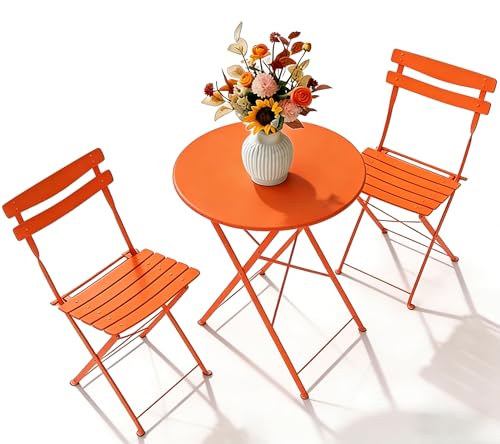
French Bistro Folding Table and Chair Set: The Complete Buying Guide
Everything you need to know before choosing a cafe-style folding set for your balcony, patio, or kitchen corner — materials, folding mechanisms, space planning, and tier-based recommendations.
Why this guide matters: A French bistro folding table and chair set is one of the most practical outdoor furniture purchases you can make for a compact space. It delivers instant cafe charm, folds flat for storage, and works equally well on a balcony, a small patio, or inside a breakfast nook. But not all folding sets are equal — hinge quality, frame gauge, and finish durability vary enormously. This guide walks you through each decision so you can choose with confidence.
What Is a French Bistro Folding Table and Chair Set?
A French bistro set is a compact outdoor furniture grouping inspired by the small cafe tables and chairs that line Parisian sidewalks. The defining characteristics are a round or square tabletop, slim metal or rattan frames, and chairs that fold flat. The folding mechanism is the heart of the design: it allows the entire set to collapse into a narrow profile that can be leaned against a wall, tucked into a closet, or carried indoors during storms.
Most sets are sold as a folding bistro set of three pieces — one table and two chairs — though larger configurations exist. The table typically measures between 24 and 30 inches across, which seats two comfortably. Chairs are usually slatted or perforated for drainage and airflow. The classic material is powder-coated steel, but aluminum, teak, and synthetic rattan are common alternatives.
Why the Folding Feature Is the Real Selling Point
Folding matters more than most buyers realize. A fixed bistro set occupies floor space permanently. A folding set can be deployed for morning coffee, then folded away when you need the balcony for laundry, yoga, or a pet. The folding action also makes seasonal storage simple — the set disappears into a garage corner during winter. When evaluating a set, check whether the table folds independently of the chairs, and whether the folded profile is thin enough for your storage slot.
Materials: What to Look For in the Frame and Finish
Material choice determines weight, durability, maintenance needs, and the visual character of the set. Here is how the main options compare.
Powder-Coated Steel
The traditional bistro material. Steel gives the set a satisfying heft that resists tipping in wind, and the powder coat creates a hard, chip-resistant shell in colors ranging from classic black to pastel sage. The trade-off is weight — a steel set is harder to carry up stairs. Look for a multi-layer powder coat and sealed tube ends, which slow internal rust. Entry-level sets often use thinner gauge steel; mid-range and premium tiers step up to heavier tubing and reinforced weld points at the hinge brackets.
Aluminum
Aluminum is the lightweight alternative. It will not rust, making it a smart choice for coastal balconies and humid climates. The catch is that very light aluminum sets can feel flimsy and may shift in strong gusts. High-end tier aluminum sets solve this with thicker extrusions and a weighted base design. If portability is your priority — carrying the set to a rooftop or packing it for a rental — aluminum is the practical pick.
Teak and Solid Wood
Solid teak bistro sets offer a warm, natural look and exceptional longevity when oiled regularly. They are heavier and typically positioned in the premium to luxury tiers. Wood folding mechanisms require more careful engineering than metal, so inspect the hinge hardware closely. Teak weathers to a silver-gray patina if left untreated, which many owners prefer.
Rattan and Synthetic Wicker
Rattan bistro chairs are a staple of the French bistro chair tradition. Natural rattan is beautiful but needs shelter from rain. Synthetic wicker over an aluminum frame delivers the same woven look with far better weather resistance, and it is the more sensible choice for uncovered patios.
Folding Mechanisms: The Details That Decide Longevity
The hinge and locking system is where folding sets fail first. A well-engineered mechanism opens with a firm, controlled motion and locks into place without wobble. A poor one develops play within a season, and a wobbly table is unusable for drinks or plates.
- Locking hinges: Chairs should have a locking hinge or a cross-brace that snaps into position. Avoid sets where the seat simply rests on the frame with no positive lock.
- Rivet vs. bolt construction: Riveted joints are common at entry-level. Bolted or welded joints with reinforced brackets hold up better over years of folding and unfolding.
- Table latch: The tabletop should lock flat with a metal latch underneath. Test that the latch engages firmly and does not protrude where a knee might hit it.
- Floor protection: Check for plastic or rubber caps on the feet. Metal feet alone will scratch decking and tile.
- Fold-flat profile: Measure the folded depth. A quality set folds to roughly the width of the chair back, making it easy to store upright.
Size and Space Planning for Small Outdoor Areas
Bistro sets are designed for tight footprints, but "compact" still needs to fit your actual space. Before ordering, measure three things: the floor area where the set will sit when open, the clearance needed to pull chairs out, and the storage slot where the set will live when folded.
A standard two-seat bistro table needs roughly a 30-inch diameter footprint plus about 24 inches of pull-out space per chair. On a narrow balcony, consider a square tabletop, which tucks into corners more efficiently than a round one. If your space is genuinely tiny, a folding bistro table paired with stackable or wall-hung chairs may work better than a matched set. For a broader look at compact outdoor layouts, see our guide to small patio design.
Balcony, Patio, or Kitchen Corner?
The setting changes the recommendation. On a covered balcony, steel or rattan both work well. On an uncovered patio, prioritize rust-proof aluminum or sealed teak. Indoors — a kitchen breakfast corner or sunroom — any material is fine, but choose chairs with floor-protecting caps and consider a slightly larger tabletop if you plan to serve full meals rather than coffee and pastries.
Comparing Tiers: What Each Level of Set Delivers
Bistro sets fall into clear quality tiers. The descriptors below are relative positions in the market, not absolute figures. Use them to calibrate expectations as you shop.
| Tier | Frame & Finish | Folding Mechanism | Best For |
|---|---|---|---|
| Entry-level | Thinner steel tubing, single-layer powder coat, basic weld points | Simple riveted hinges, minimal locking | Occasional use, covered balconies, seasonal deployment |
| Mid-range | Heavier gauge steel or aluminum, multi-layer powder coat, sealed tube ends | Locking hinges on chairs, metal table latch, reinforced brackets | Regular daily use on patios and balconies |
| Premium | Thick-gauge steel or high-end aluminum, chip-resistant finish, some teak options | Precision hinges, cross-braced seats, anti-wobble feet | Frequent entertaining, exposed patios, long-term ownership |
| Luxury / commercial-grade | Solid teak or heavy-duty steel, marine-grade hardware, professional finishes | Heavy-duty locking systems rated for repeated folding cycles | Cafe-style setups, rental properties, high-use households |
Comfort and Ergonomics: Small Details, Big Difference
A bistro chair is not a lounger, but it should still be comfortable for an hour of conversation. Seat height matters: most bistro chairs sit around 17 to 18 inches from the floor, which pairs with tables roughly 28 to 30 inches tall. Mismatched heights create awkward posture and are common in mixed sets.
- Seat depth and curve: A gently curved, slatted seat distributes weight better than a flat plate. Test the contour if you can.
- Backrest angle: A slight backward rake is more comfortable than a vertical back, especially for longer meals.
- Armrests: Most folding bistro chairs omit armrests to keep the folded profile slim. If you want arm support, look for models with folding armrests.
- Cushion compatibility: Slatted seats accept tie-on cushions well. Check the seat width before buying cushions separately.
Care and Maintenance for Folding Bistro Sets
Folding sets reward a small amount of routine care with years of service. Wipe the frame with a damp cloth and mild soap monthly to remove pollen and grit, which trap moisture against the finish. Inspect hinges and latches each season and apply a drop of lubricant to moving parts. Touch up any chips in the powder coat promptly — exposed steel is where rust begins.
During winter or extended disuse, fold the set and store it indoors or under a breathable cover. Avoid sealing a damp set inside a non-breathable tarp, which traps condensation. For a deeper dive into protective routines, read our weatherproofing guide and our roundup of furniture cleaners suitable for metal and rattan finishes.
Pairing Your Bistro Set With the Rest of Your Space
A bistro set is often the anchor of a small outdoor room. Layer it with a weather-resistant outdoor rug to define the zone, a compact shade solution such as a free-standing umbrella with weighted base, and warm string lighting for evening use. If your space includes a fire feature, a fire pit table can replace the bistro table as the centerpiece while keeping the same compact footprint.
For a traditional porch look, bistro chairs mix naturally with a front porch rocking chair or a front porch bench. The cafe aesthetic also pairs well with a garden bench in a courtyard setting.
Related Buying Guides
Frequently Asked Questions
What materials are best for a French bistro folding table and chair set?
Powder-coated steel and aluminum are the most common materials. Steel offers a solid, weighted feel that resists tipping, while aluminum is lighter and will not rust. Premium and luxury tiers often use thicker gauge steel with a multi-layer powder coat, or solid teak for a natural look. Rattan and synthetic wicker deliver a decorative traditional bistro aesthetic.
How much weight can a folding bistro table and chair set hold?
Most entry-level and mid-range folding bistro chairs support around 200 to 250 pounds per seat, while high-end and commercial-grade models typically support 300 pounds or more. Always check the manufacturer's stated weight capacity, since folding joints and hinge quality directly affect load limits.
Is a folding bistro set suitable for year-round outdoor use?
Yes, provided the set is made from rust-resistant materials with a weather-resistant coating. Powder-coated steel and aluminum handle rain and sun well, though prolonged exposure to coastal salt air or heavy snow may shorten lifespan. Storing the set indoors or under a cover during harsh weather extends its useful life considerably.
How do I choose between a 2-seat and 3-piece folding bistro set?
A 2-seat bistro set (one table plus two chairs) is the classic configuration for balconies, small patios, and breakfast nooks. A 3-piece set adds a third chair for guests, while some sets include a folding bench instead of one chair. Measure your available floor space and door clearance before deciding, since folded sets still require storage room.
Can French bistro folding chairs be used indoors?
Absolutely. The compact footprint and cafe-style appearance make them popular for kitchens, breakfast corners, sunrooms, and even as occasional dining seating. Choose models with floor-protecting caps or felt pads if you plan to use them on hardwood or tile indoors.
Ready to Bring Cafe Charm to Your Space?
Browse our curated selection of French bistro folding sets and see which configuration fits your balcony, patio, or kitchen corner.
Explore Options Below