Glass Top Patio Dining Table 66 x 40: The Complete Buying Guide
Everything you need to know about choosing a 66 x 40 inch glass-top outdoor dining table — frame materials, glass safety, seating layout, weather care, and how to match it to your patio space.
What This Guide Covers
- Why the 66 x 40 inch size works so well on real patios
- Glass types, edge finishes, and safety considerations
- Frame materials compared: aluminum, steel, wood, and wicker
- Seating capacity, chair pairing, and umbrella options
- Placement, measurement, and layout advice
- Seasonal care and long-term maintenance
- Buying checklist and frequently asked questions
Why a 66 x 40 Inch Glass Top Table Fits Most Patios
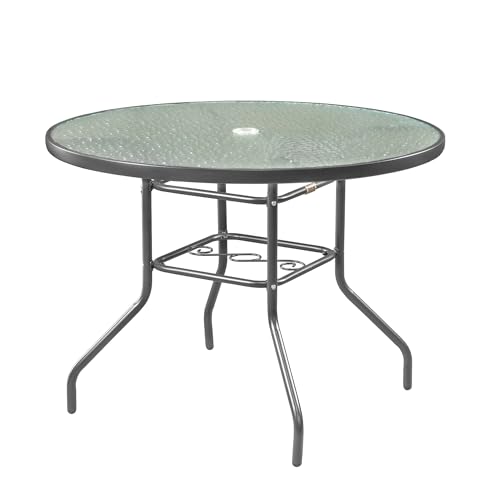
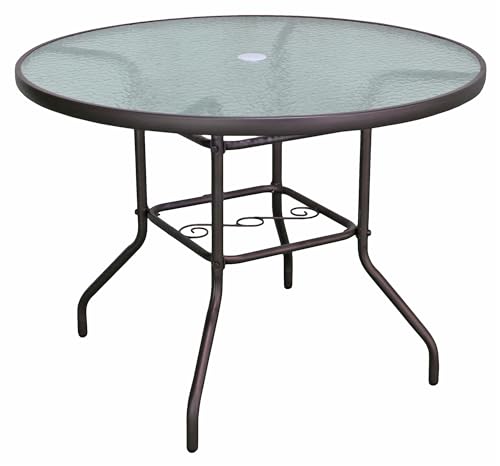
A glass top patio dining table measuring 66 inches long by 40 inches wide hits a sweet spot that few other outdoor tables match. It is long enough to seat four adults with generous elbow room, yet narrow enough to leave walking space on a modest deck or balcony. The 40-inch depth is the key detail — it allows place settings on both long sides while still leaving a clear center zone for serving bowls, a pitcher, or a small centerpiece.
Glass tabletops bring a specific advantage to this footprint: visual lightness. A solid wood or thick composite table of the same dimensions can make a small patio feel crowded, while a transparent surface lets the flooring pattern and surrounding greenery show through. That effect is especially valuable on compact urban patios, condo balconies, and screened porches where every square foot of perceived space matters.
If you are still comparing shapes and sizes, our broader guide to the glass top patio table covers round, square, and rectangular options in more depth. For readers weighing a larger family layout, the glass top patio table and 6 chairs configuration is worth reviewing alongside this size.
Glass Types and Edge Finishes Explained
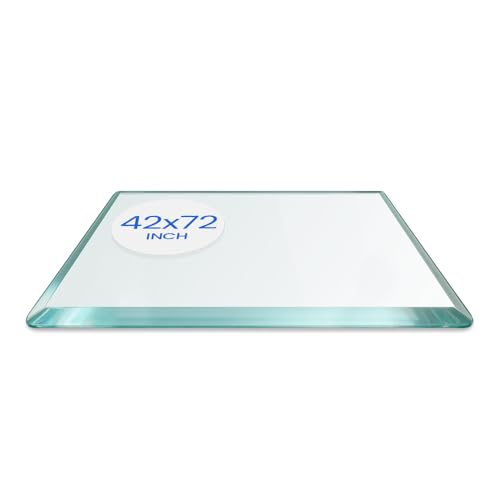
Not all glass tabletops are created equal. The specification you should look for first is tempered (also called toughened) glass. Tempered glass is heat-treated so that it shatters into small, blunt fragments instead of long sharp shards if it breaks — an important safety property for a surface used around children, pets, and bare feet.
Common glass specifications
- Tempered safety glass, 6–8 mm: The standard for most mid-range and premium outdoor tables. Thicker glass resists flexing and feels more solid under heavy dishes.
- Laminated glass: Two glass layers bonded with a plastic interlayer. It holds together when cracked, which is useful in windy or high-traffic locations.
- Textured or frosted glass: Hides water spots and fine scratches better than clear glass, but can show rings from wet glasses more readily.
- Tinted glass: Reduces glare on bright, south-facing patios and can look more contemporary.
Edge profiles
Edge treatment affects both safety and appearance. A flat-polished edge is smooth to the touch and the most common choice. Beveled edges add a subtle reflective line that catches light. Bullnose (rounded) edges are the most forgiving around young children. Avoid raw or roughly ground edges on any table that will be used casually.
Safety check: Before purchasing, confirm the product listing explicitly states "tempered glass" or "safety glass." If the material is described only as "glass," treat that as a warning sign and ask the seller directly.
Frame Materials Compared
The frame determines how stable the table feels, how much maintenance it needs, and how easily you can move it for cleaning or seasonal storage. Here is how the main options compare for a 66 x 40 inch glass-top table.
| Frame Material | Market Tier | Best For | Key Considerations |
|---|---|---|---|
| Powder-coated aluminum | Mid-range to premium | Most residential patios | Lightweight, rust-resistant, easy to reposition; check weld quality at joints |
| High-grade steel | Mid-tier to high-end tier | Windy or exposed locations | Heavier and very stable; requires a rust-proof finish and periodic inspection |
| Solid wood (teak, acacia, eucalyptus) | Premium to luxury | Traditional and rustic designs | Warm appearance; needs sealing and seasonal care to prevent cracking |
| Wicker and rattan over metal | Entry-level to mid-range | Coastal and bohemian styling | Comfortable look; verify the underlying frame is aluminum, not untreated steel |
| Recycled plastic or HDPE | Essential tier to mid-tier | Low-maintenance households | Weather-proof and easy to clean; heavier visual profile than metal |
For a broader comparison of outdoor construction methods, see our notes on heavy-duty patio furniture. If your patio is exposed to strong gusts, the heavy outdoor furniture that won't blow away guide is a useful companion read.
Seating Capacity and Chair Pairing
A 66 x 40 inch table seats four people comfortably with standard dining chairs. Each long side accommodates two place settings with roughly 30 inches of linear space per person — enough for a dinner plate, glass, and cutlery without crowding. If you use narrower bistro-style chairs, you can occasionally seat six, though elbow room becomes tight.
Chair width matters more than you think
Outdoor dining chairs typically range from 18 to 24 inches wide. Four chairs at 22 inches each consume 88 inches of perimeter seating — well within the 66-inch length plus two 40-inch ends once you account for corner placement. Measure your chosen chairs before committing, and remember that armrests add width.
Umbrella compatibility
Many 66 x 40 glass tables ship with a pre-drilled umbrella hole, usually centered or slightly offset. If you want shade, confirm the hole diameter matches common umbrella poles (typically 1.5 to 2 inches) and budget for a weighted base rated for your umbrella's span. Our guide to the glass top patio table with umbrella hole explains how the hole position affects stability and chair placement.
For a full matched set with seating included, the glass top patio table and 4 chairs overview shows how manufacturers typically pair this table size with chairs.
Placement, Measurement, and Layout
Before ordering, map the table's footprint on your patio. The table itself occupies 66 x 40 inches, but you also need clearance for chairs pulled out. A practical rule is to allow at least 30 inches of open space behind each chair position so guests can sit down and stand up without scraping the railing or wall.
Quick clearance guide
- Wall or railing behind a chair: 30–36 inches minimum.
- Walking path beside the table: 36 inches for comfortable passage.
- Distance from a grill or fire feature: at least 36 inches for safety and heat clearance.
For a narrower footprint, compare this size against the glass top rectangular outdoor dining table options, which include shorter and slimmer variants. If your space is genuinely tight, the glass patio table and chairs with umbrella bundle is a compact alternative worth considering.
Layout tip: Center the table on your patio's longest axis. A 66-inch table running parallel to the house wall usually leaves more usable circulation space than one placed perpendicular to it.
Care, Cleaning, and Seasonal Protection
Glass is one of the easiest outdoor surfaces to clean, but it has specific vulnerabilities worth respecting. Avoid abrasive pads and ammonia-heavy cleaners, which can dull the surface over time. A microfiber cloth with warm water and a drop of mild dish soap handles most marks. For hard-water spots, a diluted white vinegar solution works well — rinse afterward.
Heat and impact precautions
- Never place a hot grill pan, Dutch oven, or slow cooker directly on the glass. Use a trivet or a thick cutting board.
- Do not strike the edge of the glass with metal chair frames when pulling chairs in.
- Avoid dropping heavy objects on the tabletop, especially near the edges where stress concentrates.
- In freezing climates, clear snow with a plastic scraper — never a metal shovel.
Winter storage
If you live where temperatures drop below freezing, a fitted breathable cover protects against ice and debris. In extreme cold or heavy snow regions, storing the glass tabletop indoors is the safest option. Our heavy-duty waterproof patio furniture covers guide covers cover sizing and material options in detail.
If your patio furniture stays outside year-round, our reference on garden furniture that can be left outside all year explains which frame and glass combinations tolerate continuous exposure best.
Buying Checklist
Use this checklist to evaluate any 66 x 40 glass-top dining table before you order.
- Tabletop is explicitly tempered or safety glass, 6 mm or thicker.
- Edge is polished or bullnose with no rough spots.
- Frame is powder-coated aluminum or high-grade steel with a rust-proof finish.
- Table has leveling feet for uneven patio surfaces.
- Umbrella hole (if wanted) matches your umbrella pole diameter.
- Assembled dimensions confirmed as 66 x 40 inches, not a rounded approximation.
- Weight is manageable for one or two people if you plan to move it seasonally.
- Warranty covers the glass separately from the frame.
For style matching, browse the glass top patio table and 6 chairs layout ideas or compare with hexagon glass patio table with 6 chairs if you prefer a more compact round profile.
Frequently Asked Questions
How many people can a 66 x 40 inch glass top patio dining table seat?
Four people comfortably, and up to six with narrower chairs. The 40-inch width allows place settings on both long sides while leaving center space for serving dishes.
Is tempered glass safe for outdoor patio tables?
Yes. Tempered glass is heat-treated to resist impact and shatters into small, blunt pieces if broken. Always confirm the tabletop is labeled tempered or safety glass before buying.
Does a glass top patio table need an umbrella hole?
It is optional but useful in sunny locations. If you want shade, choose a table with a pre-drilled hole and a weighted base rated for your umbrella's span.
How do I protect a glass patio table in winter?
Use a fitted breathable cover, clear snow with a plastic scraper, avoid hot items directly on the glass, and store the tabletop indoors in extreme freezing conditions.
What frame material works best with a glass tabletop?
Powder-coated aluminum is the most popular choice for its balance of lightness, rust resistance, and easy repositioning. High-grade steel adds stability in windy areas, while wood and wicker offer warmer styling with more upkeep.