Leather Sectional Sleeper Sofa with Recliners: Complete Buying Guide
One piece of furniture that reclines for lounging, seats a crowd in an L-shaped layout, and folds out into a bed for overnight guests. Here is how to choose the right leather sectional sleeper with recliners for your space.
Explore the ProfilesWhy a Leather Sectional Sleeper with Recliners Is a Smart Choice
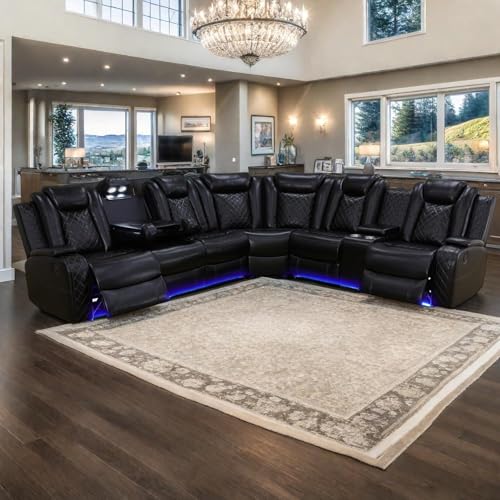
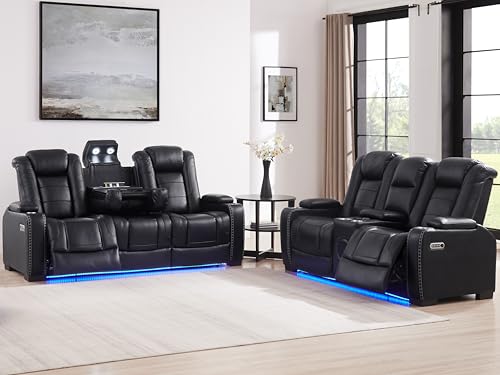
A leather sectional sleeper sofa with recliners solves three needs at once: seating, lounging, and sleeping. The sectional layout fits a corner, the recliners convert individual seats into deep lounge positions, and the sleeper mechanism opens into a flat bed. Leather upholstery adds a practical layer because it wipes clean easily, resists everyday spills, and develops a natural patina over time.
For homes that host guests regularly, this combination replaces a separate sofa, a recliner, and a guest bed. If you already own a leather sectional couch with pull-out bed, you know the convenience of one piece doing multiple jobs. Adding recliners takes that versatility further.
Configuration Profiles: Which Layout Fits Your Room?
The shape of the sectional matters as much as the leather. Reclining seats need clearance, and the sleeper needs open floor space. Here are the common layouts and what each one is best for.
| Configuration | Market Tier | Best For | Watch Out For |
|---|---|---|---|
| L-shaped sectional with one recliner and sleeper chaise | Entry-level to mid-range | Apartments and smaller living rooms | Limited recline positions; check chaise depth |
| L-shaped sectional with two or three recliners and full-size sleeper | Mid-range | Family rooms with regular overnight guests | Needs rear clearance for reclining seats |
| U-shaped sectional with recliners on both arms and sleeper | Premium to luxury | Large open-plan living spaces | Footprint is wide; confirm door and hallway access |
| Reclining sectional with drop-down console and sleeper | Mid-range to high-end tier | Media rooms and home theaters | Console reduces seating count; verify bed size |
If you are comparing layouts that also convert to sleeping surfaces, it helps to review a leather sectional with sleeper and recliner overview alongside this guide. For chaise-focused layouts, the leather sectional sleeper sofa with chaise breakdown covers depth and extension differences.
Seating Count and Bed Size
Count the seats you actually need before choosing a recliner count. A three-seat reclining section typically gives two recliners and one fixed seat, while a four-seat layout can support three recliners. The sleeper portion usually offers a full or queen surface. Confirm the bed size in the product specification, because a mid-range model may offer a full sleeper while a premium model offers queen length.
Leather Types and Durability
Leather is graded by how much of the original hide surface is retained. The grade influences durability, breathability, and how the surface ages. It also affects how the material responds to the mechanical stress of reclining frames and sleeper hinges.
Full-Grain and Top-Grain Leather
Full-grain leather keeps the complete hide surface and is the most durable option, typically found in premium and luxury tiers. Top-grain leather lightly buffs the surface for a more uniform look and remains highly durable. Both resist cracking better than lower grades when used on moving parts like recliner footrests.
Corrected-Grain and Bonded Leather
Corrected-grain leather is sanded and embossed, producing a consistent finish at a mid-range position. Bonded leather uses leather fibers bonded to a backing and sits in the entry-level tier. Bonded leather can peel over time, especially at flex points, so check how the manufacturer reinforces seams around recliner hinges and the sleeper deck.
Outdoor and Covered-Patio Considerations
If the piece will sit on a covered porch or lanai rather than an interior living room, look for UV-resistant leather finishes and rust-proof hardware. A lanai patio setup benefits from leather that resists humidity. For open-air seating that matches the leather sectional, browse leather lounge chairs and leather chaise lounges to keep the material consistent across the space.
Recliner Mechanisms: Manual vs Power
Reclining seats are the feature that separates this piece from a standard sleeper sofa. The mechanism determines how smooth the motion feels and how much space the seat needs behind it.
Manual Recliners
Manual recliners use a lever or a push-back motion. Entry-level models often use a simple push-back design, while mid-range models add a lever with a smoother glide. Manual mechanisms have fewer electronic parts, which can mean fewer service points over time.
Power Recliners
Power recliners use an electric motor controlled by a button or switch, often with USB charging ports built into the control panel. Mid-range and high-end tier models typically offer smoother motion and infinite position stops. Power recliners require a nearby outlet or a battery pack, so plan the placement accordingly.
Wall-Hugger and Zero-Wall Designs
Wall-hugger mechanisms slide the seat forward as it reclines, so the back can sit closer to the wall. This matters in narrow rooms. Zero-wall designs reduce the rear clearance needed, which is useful when the sectional backs onto a window or a low partition.
| Mechanism | Typical Tier | Rear Clearance | Best For |
|---|---|---|---|
| Push-back manual | Entry-level | Moderate | Occasional reclining |
| Lever manual | Mid-range | Moderate to high | Frequent daily use |
| Power recliner | Mid-range to high-end tier | Varies | Users who want smooth, effortless motion |
| Wall-hugger or zero-wall | Premium | Low | Rooms with limited depth |
Sleeper Systems Compared
The sleeper mechanism is the second moving system in the piece, and it is where many buyers underestimate the space and comfort requirements. There are three main systems.
Fold-Out Innerspring Sleeper
The classic pull-out bed uses a metal frame and an innerspring mattress that folds into the sofa body. It is common in entry-level and mid-range models. The mattress thickness and spring count affect comfort; mid-range models usually offer a thicker mattress and a better support deck than entry-level models.
Pull-Out Memory Foam Sleeper
Memory foam sleepers fold or roll out and often feel more supportive for side sleepers. They are frequently found in premium and high-end tier sectionals. Because foam compresses, check the storage cavity depth when the sofa is closed.
Pop-Up or Trundle-Style Sleeper
Some sectionals use a pop-up mechanism that lifts the seat cushion to reveal the bed. These designs can be easier to operate in tight rooms, but the bed surface may be shorter. Confirm the sleeping length before committing.
Measuring and Placement
Measure twice before ordering. A reclining sleeper sectional is heavier and deeper than a standard sofa, and doorways, stairwells, and hallway turns can decide whether a model is deliverable at all.
Room Measurements to Take
- Wall length: the total run the sectional will occupy, plus a few inches of breathing room.
- Room depth: the distance from the wall to the opposite wall or furniture, including the recline zone.
- Rear clearance: the gap the recliner needs behind the backrest.
- Extended sleeper footprint: the bed length plus walkway.
- Door and hallway width: compare against the largest packed dimension, not just the assembled width.
Placement Tips
Place the reclining side away from heavy traffic paths. If the sectional faces a large dining table, keep the recline zone clear. For rooms with a dining area nearby, the layout guidance in a large dining table with bench and chairs article can help you balance zones. If the room is especially generous, a large sectional couch with pull-out bed may fit alongside the dining set without crowding.
Anchor the sectional with a rug and a side table. A large outdoor table or a large outdoor dining table with umbrella hole can serve as the dining anchor in an open-plan covered patio, while the leather sectional defines the lounge zone.
Comfort and Support
Comfort in a reclining sleeper comes from the seat cushion build, the back support, and the mattress quality. The tier of the model usually tracks how much attention each element receives.
Seat Cushions
Entry-level models often use a single foam density, which can flatten faster in recliner seats because those seats bear concentrated weight. Mid-range models usually combine a foam core with a wrapped fiber layer for a softer initial feel. High-end tier models may use pocketed coils or a high-resilience foam core that holds shape longer.
Back Support
A recliner back should support the lumbar area without a hard bar pressing through. Premium models often use sinuous springs or an elastic webbing system with a padded lumbar panel. Sit in the reclined position, not just upright, before deciding.
Mattress Comfort
The sleeper mattress is often the weakest link in an entry-level model. If guests will sleep on it for multiple nights, prioritize a model with a thicker mattress or a foam sleeper. A short nap test on the extended bed is worth more than any specification sheet.
If you want to extend the comfort concept to other seating, a lounge chair with ottoman can pair with the sectional for reading or TV viewing.
Care and Maintenance
Leather is low-maintenance compared with fabric, but the moving parts deserve attention. A simple routine keeps the recliner and sleeper mechanisms working smoothly.
Leather Care
- Wipe spills promptly with a dry or slightly damp cloth.
- Dust the surface weekly with a soft cloth to prevent grit from abrading the finish.
- Condition top-grain and full-grain leather a few times a year with a leather conditioner suited to the finish.
- Keep the piece out of direct, intense sunlight if it sits near a window or on a covered porch.
Mechanism Care
- Vacuum crumbs and debris from the recliner tracks and the sleeper cavity.
- Check bolts and brackets periodically and tighten as needed.
- For power recliners, keep cables clear of the moving frame and test the battery backup if the model has one.
- Follow the manufacturer's lubrication guidance for the recliner and sleeper mechanisms.
For broader material guidance, the leather lounge chair care notes apply to most leather seating. If the sectional sits outdoors on a covered patio, review weatherproofing steps that match a lanai patio environment.
Ready to Compare Leather Sleeper Sectionals?
Use the checks in this guide — layout, leather grade, recliner mechanism, sleeper type, and measurements — to narrow your options with confidence.
Review the Profiles AgainFrequently Asked Questions
What is a leather sectional sleeper sofa with recliners?
It is a multi-function seating piece that combines a sectional layout, leather upholstery, built-in reclining seats, and a sleeper mechanism that folds out into a bed. It is designed for living rooms or covered patios where both lounging and occasional guest sleeping are needed.
Is leather suitable for a sleeper sofa with recliners?
Yes. Leather is durable and easy to wipe clean, which suits the mechanical parts and frequent use of a reclining sleeper. Top-grain and full-grain leather are the most durable, while bonded leather is an entry-level option that needs more care. For covered outdoor use, choose a UV-resistant leather finish.
How do I measure a room for a leather reclining sleeper sectional?
Measure the wall length, the depth of the room, and the clearance in front of the sofa. Recliners need rear clearance to fully recline, and the sleeper needs open floor space when extended. Add at least 3 feet of walkway where the bed folds out.
Can a leather sectional sleeper with recliners be used outdoors?
Only on a covered porch or lanai where the piece is protected from direct rain and strong sun. Look for UV-resistant leather finishes and rust-proof hardware. Full outdoor exposure is not recommended for this type of furniture.
Which is better: manual or power recliners on a sleeper sectional?
Manual recliners are simpler and have fewer electronic parts. Power recliners offer smoother motion and often include USB charging. The right choice depends on how often you recline and whether an outlet is convenient to the placement.