Lightweight Folding Reclining Camping Chairs: Complete Buying Guide
Everything you need to know before choosing a portable reclining camp chair — frame materials, recline mechanisms, comfort tiers, and how to match a chair to your outdoor lifestyle.
Why Choose a Lightweight Folding Reclining Camping Chair
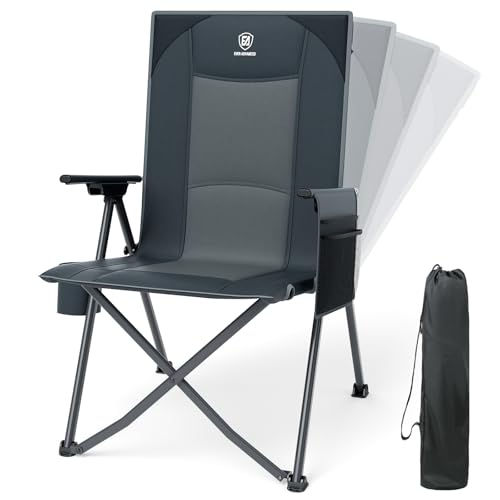
A reclining camping chair combines two things outdoor enthusiasts value most: portability and comfort. Unlike a standard camp chair with a fixed upright seat, a reclining model lets you lean back, stretch out, and relax after a long hike, a day at the beach, or an afternoon in the garden. Because the best designs fold flat and pack into a compact carry bag, they are easy to transport in a car trunk, camper van, or even a backpack strap system.
These chairs have moved well beyond the campsite. Many homeowners now use them on balconies, decks, and small patios where a full patio set would be impractical. If your outdoor space is compact, explore our guide to small patio layout ideas to see how portable seating fits into a flexible setup. For a broader look at portable seating options, our overview of outdoor camping chairs covers related categories and buying considerations.
Anatomy of a Lightweight Reclining Camping Chair
Understanding the main components helps you evaluate specifications with confidence. Every reclining camp chair is built from five core systems:
Frame and Legs
The structural skeleton, usually aluminum or steel tubing. Aluminum keeps weight down; steel adds rigidity. Look for powder-coated or rust-proof finishes on metal parts.
Recline Mechanism
The hinge or locking system that adjusts the backrest angle. Common designs include ratchet locks, strap-and-buckle adjusters, and multi-position lever systems.
Seat and Back Fabric
Usually polyester, Oxford cloth, or mesh. Mesh panels improve airflow; padded Oxford fabric adds comfort and durability. Breathability matters in warm weather.
Armrests and Side Features
Padded armrests, cup holders, side pockets, and phone sleeves are common. These add convenience but can add weight and bulk.
Footrest and Leg Rest
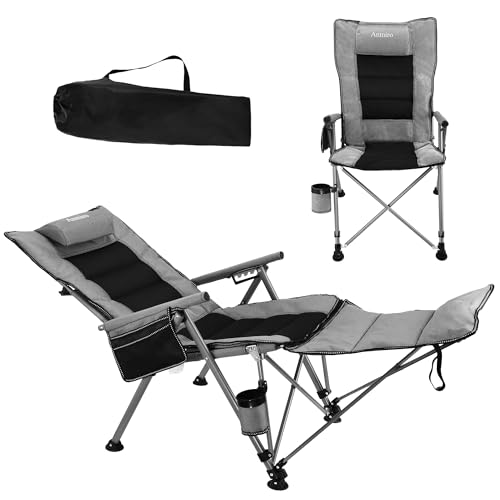
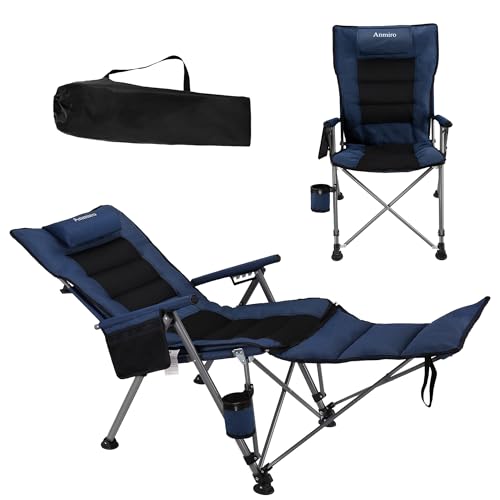
Some reclining models extend a footrest or leg rest. This transforms the chair into a near-lounger and is popular for beach and garden use.
Carry Bag and Packed Form
The folded chair slides into a fabric bag with a shoulder strap. Packed length and diameter determine how easy the chair is to transport and store.
Recline Mechanisms Explained
The recline system is the defining feature of this product category, and it directly affects comfort, durability, and ease of use. There are three common approaches:
- Ratchet or locking hinge: The backrest clicks into several preset angles. This is the most common design because it is simple, sturdy, and easy to operate with one hand. Mid-range and premium chairs usually offer more positions and smoother locking.
- Strap-and-buckle adjuster: A strap behind the backrest controls the angle. This design is very lightweight and compact, but it offers less precise positioning and can feel less supportive on the upper back.
- Lever or trigger release: A lever near the armrest unlocks the backrest so you can recline freely. This feels smooth and intuitive but adds mechanical complexity, so it tends to appear on higher-tier models.
When comparing chairs, test how the recline locks under load. A well-designed mechanism holds firmly when you lean back and releases smoothly when you sit up. Entry-level chairs may have a single recline position, while top-tier models offer a continuous or multi-step range. If you plan to nap or stargaze, prioritize a chair with a generous recline angle and a supportive head area.
Frame Materials and Weight
Frame material is the single biggest factor in packed weight and long-term durability. Here is how the main options compare:
| Frame Material | Weight Profile | Durability | Best For |
|---|---|---|---|
| Aluminum alloy | Lightest | Good, with powder coating | Backpacking, hiking, frequent transport |
| Steel tubing | Heavier | Excellent rigidity | Car camping, patio use, larger users |
| Aluminum with reinforced joints | Light to moderate | Very good | All-round use, balanced tier |
Aluminum frames are the standard for lightweight folding reclining camping chairs because they shave off significant weight without sacrificing too much strength. The trade-off is that very thin aluminum can flex under heavy loads, so joint design matters. Reinforced corner brackets and wider tubing diameters improve rigidity. Steel frames are heavier but often feel more planted, which is why they remain popular for car camping and garden lounging.
If you also need a chair for the beach or poolside, our guide to a folding beach lounge chair with a face hole explores a specialized alternative for sunbathing. For a broader comparison of portable recliners, see our page on the outdoor recliner category.
Fabric and Comfort Considerations
The seat and back fabric influence breathability, comfort, and how the chair ages. Oxford polyester is the most common choice because it resists tearing, dries quickly, and holds color well. Mesh panels are frequently placed along the back and seat center to improve airflow, which makes a noticeable difference on warm days.
Padded fabric adds cushioning but also adds weight and retains more heat. For a camping chair, a light layer of padding on the armrests and upper back is usually enough. Check stitching quality along stress points such as the seat corners and the recline hinge. Double-stitched seams and reinforced gussets are signs of a well-built chair.
Comfort also depends on seat height and depth. A slightly higher seat is easier to get in and out of, which matters for older users or anyone with knee concerns. Deeper seats feel more lounge-like but can be harder to exit.
Comfort and Quality Tiers
To compare chairs without referencing specific figures, we use a universal tier system. The descriptors below reflect relative market position and build quality, and they remain useful over time.
| Tier | Typical Characteristics | Best For |
|---|---|---|
| Essential tier | Basic aluminum frame, single or limited recline positions, simple fabric, minimal padding | Occasional use, light travel, backup seating |
| Balanced tier | Reinforced aluminum frame, multi-position recline, padded armrests, cup holder, decent carry bag | Regular camping, garden lounging, general outdoor use |
| Premium tier | High-grade aluminum, smooth lever or ratchet recline, extended footrest, breathable padded fabric, robust joints | Frequent use, long lounging sessions, comfort-focused buyers |
| Top-tier | Professional-grade frame, near-flat recline, superior padding, reinforced stress points, refined carry system | Dedicated outdoor enthusiasts, extended trips, maximum comfort |
The balanced tier is usually the sweet spot for most buyers. It offers a noticeably smoother recline mechanism and better fabric than entry-level models without the added bulk of top-tier chairs. Buyers who prioritize long-term durability should look at premium and top-tier options, where reinforced construction and higher-grade materials translate into a worthwhile investment over many seasons.
Portability and Packed Size
Packed dimensions matter as much as raw weight. A chair that folds into a long, narrow shape is easy to slide into a car trunk but awkward to carry on foot. A chair that folds into a shorter, wider bundle is more comfortable to carry by the shoulder strap but takes up more space in storage.
Consider the following when evaluating portability:
- Packed length: Shorter packed lengths are easier to fit into a backpack or bicycle pannier.
- Carry bag quality: A reinforced bag with a wide shoulder strap and drawstring closure lasts longer than a thin sleeve.
- Folded shape: Look for chairs that fold into a compact cylinder or a flat, stackable profile.
- Setup effort: Most folding chairs open in seconds, but some reclining models require careful alignment of the hinge before the backrest locks.
If you plan to combine seating with a small outdoor table, our guide to an outdoor small table shows how portable chairs pair with compact surfaces. For a more structured garden setup, a wicker bistro set offers a fixed alternative that still suits small spaces.
Stability on Uneven Ground
A reclining chair shifts the user's center of gravity backward, so stability is more important than in an upright camp chair. The design features that improve stability include:
- Wide leg spread: A broader base resists tipping when you lean back.
- Angled rear legs: Rear legs that extend further back act as a counterbalance.
- Low seat height: A lower center of gravity improves balance on soft or uneven ground.
- Non-slip feet: Rubberized or wide foot caps grip better on grass, sand, and decking.
On soft ground such as sand or loose soil, place small flat stones or a mat under the feet to prevent sinking. On sloped terrain, orient the chair so the recline direction faces uphill, and avoid using the reclining function on steep inclines.
Matching Chairs to Use Cases
Different outdoor activities place different demands on a chair. Use the following guidance to narrow your selection:
Camping and Hiking
Prioritize low packed weight, aluminum frame, and a compact carry bag. A balanced-tier chair with a simple ratchet recline is usually sufficient. If you also carry a canopy chair, compare the trade-offs in our guide to a camping chair with canopy.
Beach and Poolside
Look for rust-proof finishes, quick-drying fabric, and wide feet that resist sinking. A chair with a footrest adds comfort for long sunbathing sessions. For sun protection, pair it with a patio umbrella on a balcony or deck.
Garden and Patio
Weight matters less here, so comfort and recline range take priority. A premium-tier chair with padded fabric and an extended footrest works well as flexible seating. If your patio is compact, review our small patio layout ideas to integrate portable seating.
Tailgating and Events
Choose a chair with a cup holder, side pocket, and easy setup. Balanced-tier models with a stable base and a quick recline are ideal. A chair that folds flat is easier to stack in a vehicle alongside other gear.
If you enjoy reading or napping outdoors, pair the chair with shade and soft lighting. Our guides to patio lighting and outdoor rugs offer simple ways to make a portable setup feel more comfortable and inviting.
Care and Longevity Tips
A lightweight reclining camping chair can last many seasons with basic care. Follow these habits to protect the frame, fabric, and recline mechanism:
- Clean after use: Wipe the frame with a damp cloth and let the fabric air-dry fully before folding. Sand and grit accelerate wear at the hinges.
- Lubricate moving parts: A small amount of silicone spray on the recline hinge keeps the mechanism smooth. Avoid oil-based lubricants that attract dust.
- Store dry and folded: Never store a damp chair in its carry bag. Mold and mildew can damage the fabric and weaken seams.
- Protect from prolonged sun: UV exposure fades fabric and can make coatings brittle. Store the chair indoors or under cover when not in use.
- Check joints periodically: Inspect the frame joints and recline lock for looseness. Tighten any bolts and replace worn parts promptly.
For general outdoor furniture maintenance principles that also apply to portable chairs, see our outdoor weatherproofing guide.
Ready to Choose Your Reclining Camp Chair?
Browse our curated selection of lightweight folding reclining camping chairs and compare features side by side. Find the chair that fits your outdoor routine.
Explore OptionsFrequently Asked Questions
What should I look for in lightweight folding reclining camping chairs?
Focus on frame material, packed weight, recline mechanism type, fabric durability, and weight capacity. Aluminum frames are lighter than steel, while a multi-position recline system adds comfort. Check the carry bag and packed dimensions for portability.
Are reclining camping chairs stable enough for uneven ground?
Stability depends on leg design and base width. Chairs with wide, angled legs and a low center of gravity perform better on uneven terrain. Some premium models include adjustable feet or a broader footprint for added stability.
How much weight can a lightweight reclining camping chair hold?
Weight capacity varies by tier. Entry-level models typically support lighter loads, while mid-range and premium chairs often feature reinforced frames rated for higher capacities. Always check the manufacturer's stated weight limit before purchase.
Can I use a reclining camping chair for everyday patio use?
Yes, many people use lightweight folding reclining camping chairs on patios, decks, and balconies. They are portable, easy to store, and comfortable for lounging. However, for permanent outdoor setups, consider dedicated patio furniture with more robust weatherproofing.
How do I clean and maintain a folding reclining camping chair?
Wipe the frame with a damp cloth, air-dry the fabric fully before folding, and occasionally apply silicone spray to the recline hinge. Store the chair dry, away from prolonged direct sunlight, and inspect joints for looseness at the start of each season.