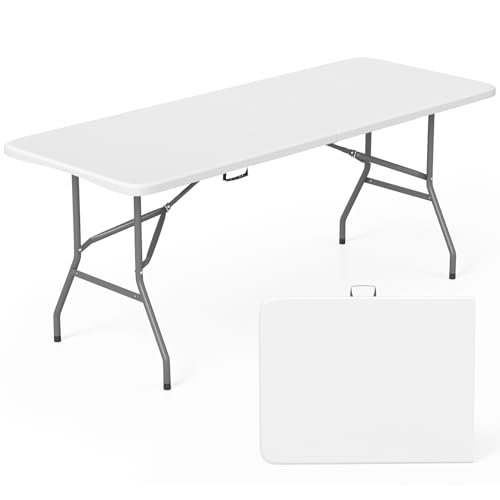
Lightweight Folding Table: The Complete Buying Guide
Everything you need to know before choosing a lightweight folding table — from frame materials and top surfaces to portability and stability. Research-backed guidance to help you pick the right table for camping, tailgating, picnics, and patio overflow seating.
Start Your ResearchWhy this guide matters: A lightweight folding table is one of the most versatile pieces of outdoor gear you can own — but not every model is built for the same job. The wrong choice means a wobbly surface, a heavy lift, or a table that rusts after the first season. This guide breaks down exactly what to compare so you buy once and use it for years.
What Makes a Lightweight Folding Table Different?
A lightweight folding table is a portable table designed to collapse flat or into a compact profile for easy transport and storage. Unlike a fixed side table or a permanent round patio table, a folding table prioritizes portability: it is built from materials that keep the overall unit low in weight while still supporting real-world loads.
These tables serve many roles. They act as overflow dining surfaces when guests arrive, portable prep stations for grills and smokers, game tables for kids, and camp tables for road trips. Because they are mobile, they also pair naturally with space-saving furniture strategies for small patios and balconies.
Understanding the trade-offs between weight, stability, and durability is the heart of choosing well. A table that is too light may wobble; a table that is very stable may be too heavy to carry. The right balance depends on how and where you plan to use it.
Key Buying Factors to Evaluate
1. Frame Material and Weight
The frame determines both portability and stability. The three main options are:
- Aluminum: The go-to for a lightweight folding table. Aluminum offers an excellent strength-to-weight ratio, resists rust, and stays cool in the sun. Look for reinforced leg joints and a rust-proof finish on hardware.
- Steel: Heavier but extremely stable. Steel frames are common in mid-tier tables where stability matters more than carrying weight. Confirm a powder-coated or galvanized finish to resist moisture.
- High-density polyethylene (HDPE): Often used for the tabletop and sometimes the frame. HDPE is weather-resistant, easy to clean, and does not absorb water — a strong choice for outdoor use.
If you plan to carry the table frequently, aluminum should be your default. For a table that stays mostly in one place but needs to fold away, steel is a solid choice for the tier.
2. Tabletop Surface and Durability
The tabletop takes the most abuse. Prioritize models with:
- Molded HDPE or blow-molded plastic tops that resist scratches and stains
- Aluminum tops with a rolled edge for a clean, lightweight surface
- Slatted designs that drain rainwater instead of pooling it
- UV-stabilized finishes that resist fading and cracking
If the table will hold drinks and plates, a slightly textured top helps prevent sliding. For heavy-duty use, reinforced corners and a honeycomb or ribbed underside add rigidity without much added weight.
3. Portability and Folding Mechanism
How a table folds matters as much as how much it weighs. Compare:
- Flat-folding: Collapses into a slim profile — easiest to slide behind a door or into a car trunk.
- Briefcase-style: Folds in half with a built-in handle — ideal for carrying by hand.
- Roll-top: The top rolls around the frame — very compact but slightly less rigid.
- Scissor-leg: Legs fold inward — quick to set up but check that locks engage firmly.
A carrying handle, locking latches, and a compact folded footprint all make a big difference in daily use. If you regularly move the table between patio and car, prioritize a model with a molded handle and secure lock.
4. Stability and Load Support
A lightweight table must still feel solid. Check for:
- Wide, splayed legs for a stable base
- Locking leg mechanisms that prevent collapse under load
- Adjustable or leveling feet for uneven ground
- Cross-bracing under the tabletop for rigidity
Mid-range tables typically offer smoother locking mechanisms and better bracing than entry-level models. Top-tier models often include reinforced joints and anti-slip feet that hold firm on grass, gravel, and decking. If you plan to use the table on uneven ground, choose a model with adjustable feet.
5. Size, Height, and Seating Capacity
Folding tables come in several configurations:
- Small square or rectangular tables: Two to four people, ideal for camping and small patios.
- Long rectangular tables: Six to eight people, good for picnics and tailgating.
- Round tables: Four people, space-efficient for conversation.
- Adjustable-height tables: Convert from dining height to cocktail height — versatile for entertaining.
Match the table size to your space. A compact folding table pairs well with outdoor table and chairs set for 2 setups, while a larger table can complement a small outdoor table and chairs for 6. For patio dining, compare with patio dining furniture sets to see whether a folding table or a fixed set better suits your routine.
6. Weather Resistance and Care
Outdoor use demands weather resistance. Aluminum frames with a rust-proof finish and HDPE tops handle rain and sun best. After use, wipe the table dry and store it indoors or under cover to extend its life. For broader care guidance, see our weatherproofing guide and UV protection tips.
If the table will sit outside for extended periods, consider a protective cover — our patio furniture covers guide explains what to look for. Storing cushions and accessories nearby in a waterproof storage container keeps everything organized and dry.
Understanding Lightweight Folding Table Quality Tiers
Rather than shopping by numerical figures, evaluate folding tables by their construction tier and intended use. This classification is used consistently throughout PatioFocus guides.
Essential Portable Tables
Lightweight aluminum or plastic frames, simple folding mechanisms, and basic HDPE tops. Best for occasional camping, picnics, and light-duty patio overflow. Expect thinner materials and simpler leg locks — solid choice for the tier when the table is used a few times a year.
Balanced Portable Tables
Reinforced aluminum frames with molded HDPE tops, smoother locking mechanisms, and better cross-bracing. A good fit for regular tailgating, patio use, and family camping. These tables feel more stable under load and hold up well through repeated setup and takedown.
Premium & Heavy-Duty Tables
Thick-gauge welded aluminum or steel frames, reinforced joints, adjustable leveling feet, and weather-resistant hardware. Designed for frequent use, uneven ground, and heavier loads. A long-term investment for buyers who want a table that stays rigid and stable season after season.
Folding Table Material Comparison
| Material | Best For | Weight Profile | Durability Notes |
|---|---|---|---|
| Aluminum frame + HDPE top | Everyday portability and outdoor use | Light | Rust-proof finish; check hinge and lock quality |
| Steel frame + molded plastic top | Stability-focused setups on patios and decks | Heavier | Powder-coated finish resists moisture; inspect welds |
| All-aluminum construction | Camping, tailgating, frequent transport | Very light | Strong strength-to-weight ratio; avoid overloading joints |
| HDPE frame + HDPE top | Poolside and wet environments | Light to moderate | Does not absorb water; UV-stabilized options resist fading |
| Roll-top aluminum slat design | Compact storage in small spaces | Very light | Slightly less rigid; best for lighter loads |
Matching the Folding Table to Your Use Case
Camping and road trips: Prioritize low weight, a compact folded footprint, and a carrying handle. A briefcase-style aluminum table is ideal — light, easy to stow, and quick to set up at a campsite. Pair with a ultralight camping chair for a complete camp setup.
Tailgating and picnics: Choose a larger rectangular table with a sturdy steel or aluminum frame. A model with a slightly textured top and reinforced legs handles plates, coolers, and movement around the table. Compare with picnic tables if you want a more permanent option.
Patio overflow seating: A folding table is a smart backup when guests arrive. Match it to your existing patio style — for a natural look, pair with wood furniture; for a relaxed boho feel, see our bohemian patio ideas. Add a side table or outdoor side tables for drinks and small items.
Small patios and balconies: A compact folding table can double as a dining or work surface, then fold away when not in use. This makes it a strong companion to space-saving furniture and conversation sets for small spaces.
Outdoor cooking and prep: A folding table near the grill keeps tools and trays off the ground. Position it close to your grills and smokers for an efficient prep station. Add outdoor string lights for evening cooking sessions.
Pre-Purchase Checklist
- Decide whether portability or stability is the higher priority for your use.
- Confirm the frame material suits your climate and storage situation.
- Check the folded dimensions against your car trunk or storage space.
- Verify the locking mechanism engages firmly and does not wobble.
- Look for a carrying handle and locking latches if you will move it often.
- Confirm the table height matches your chairs and intended use.
- Check for adjustable feet if you will use it on uneven ground.
- Review care instructions and warranty via our delivery and assembly guide.
Researching Brands and Retailers
Folding table quality varies widely between brands. Our brand comparison guide and online retailer reviews help you weigh reputation against specification. If sustainability is a priority, the sustainable outdoor furniture guide covers recycled aluminum and low-impact materials.
For a complete patio setup, browse our patio essentials checklist and consider storage solutions from our outdoor storage guide to keep folding tables and accessories organized.
Frequently Asked Questions
What is the best material for a lightweight folding table?
Aluminum is the best all-round choice because it offers a strong strength-to-weight ratio and resists rust. High-density polyethylene tops are a close second for weather resistance, while steel frames add stability but weigh more.
How much weight can a lightweight folding table hold?
Weight capacity varies by tier: entry-level portable tables typically support lighter loads, mid-range models offer balanced capacity, and top-tier aluminum tables are reinforced to handle heavier loads for camping, tailgating, or entertaining.
Are lightweight folding tables stable on uneven ground?
Stability on uneven ground depends on the leg design. Look for adjustable feet or wide, splayed legs. Mid-range and top-tier models often include locking mechanisms and leveling feet for use on grass, sand, or gravel.
Can a lightweight folding table be used outdoors in all weather?
Aluminum and HDPE tables handle rain and sun well, but they should be dried and stored indoors after use. Steel-frame tables need a rust-proof finish to resist moisture. Always check the manufacturer's weather-resistance notes.
How do I choose between a folding table and a fixed patio table?
Choose a folding table if you need portability, compact storage, or flexibility for occasional use. Choose a fixed round patio table or patio dining furniture set if the table will stay in one place and you want a more permanent, stable centerpiece.