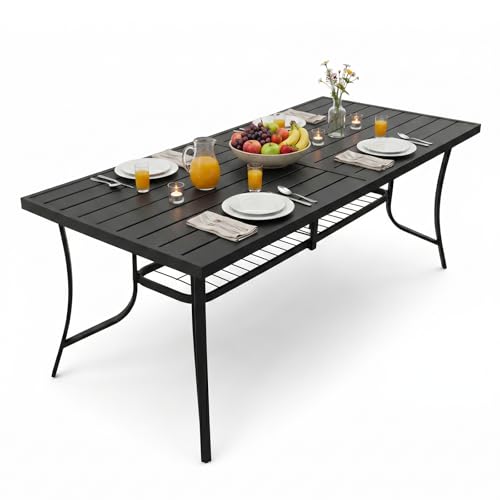
Outdoor Metal Dining Table with Umbrella Hole: The Complete Buyer's Guide
A metal dining table with a built-in umbrella hole combines a sturdy dining surface with reliable shade in one setup. This guide explains materials, sizing, umbrella pairing, weather resistance, and daily care so you can choose with confidence.
Why this page matters: If you have already decided you want a metal table for outdoor dining, the umbrella hole is often the detail that makes or breaks the setup. A well-chosen table holds its shape for years, keeps the umbrella stable in breezy weather, and gives your patio a clean, coordinated look. Below, every decision factor is broken down in plain language.
What an Umbrella Hole Actually Does
An umbrella hole is a centered opening cut through the tabletop, usually reinforced with a grommet or a metal ring, that lets a patio umbrella pole pass through the table and rest in a base beneath it. It sounds like a small feature, but it changes how a dining area works:
- Shade exactly where you eat: the umbrella rises from the middle of the table, so coverage lands on the seats rather than beside them.
- No separate umbrella stand in the walkway: the table becomes the anchor, which keeps the patio floor clear.
- Better wind behavior: a pole held by a table plus a weighted base resists tipping better than a freestanding umbrella on a lightweight stand.
- A tidier look: the table and shade read as one piece of furniture instead of two separate items.
If you are still deciding between a plain table and one with a hole, the related guide on outdoor dining table sets with an umbrella hole walks through the trade-offs in more detail.
Metal Options: Which One Suits Your Patio
Metal is the most common material for umbrella-hole dining tables because it holds its shape, handles the hole cleanly, and tolerates weather. The three main options behave quite differently.
Powder-Coated Aluminum
Aluminum is lightweight, naturally resistant to rust, and usually finished with a powder coating that adds color and scratch resistance. It is the most popular choice for residential patios because one person can move it, and it holds up well in humid or coastal air. Entry-level aluminum tables are fine for sheltered patios; mid-range and premium versions add thicker frames, better welds, and more durable coatings.
High-Grade Steel with a Rust-Proof Finish
Steel is heavier and feels more solid under hand. A quality steel table with a rust-proof finish is a good fit for windy spots because the weight resists movement. The catch is that any scratch through the coating becomes a potential rust point, so steel tables reward routine inspection. Mid-tier and high-end steel tables usually carry better coatings and reinforced umbrella-hole collars.
Cast Aluminum
Cast aluminum is molded rather than welded, which allows decorative detailing and a thicker, more substantial top. It sits in the premium and luxury tiers, offers good weather resistance, and often includes a nicely finished umbrella-hole ring. It is heavier than standard aluminum but lighter than steel of the same size.
Quick rule of thumb: sheltered patio and easy rearranging — aluminum. Exposed, breezy deck — steel with a rust-proof finish. A statement piece with decorative detail — cast aluminum.
At-a-Glance Comparison
| Material | Market Tier | Best For | Weight & Movement | Weather Notes |
|---|---|---|---|---|
| Powder-coated aluminum | Entry-level to premium | Most residential patios, humid climates, easy setup | Light; easy to reposition | Rust-resistant; coating protects the surface |
| High-grade steel | Mid-range to high-end tier | Windy decks, households wanting a heavy, solid feel | Heavy; best left in place | Needs a rust-proof finish and scratch touch-ups |
| Cast aluminum | Premium to luxury | Decorative styles, long-term patios, coordinated sets | Moderate; manageable by two people | Good resistance; quality coating matters |
Sizing: Match the Table to the Space and the Umbrella
Sizing is where most buyers make a mistake. The table needs to fit the patio with room to walk around it, and the umbrella needs to shade the seats rather than just the center. A useful planning method is to sketch the table footprint, add roughly two feet of clearance on every side for chairs and movement, then check that the umbrella canopy reaches over the seating.
Common Shapes and What They Suit
- Round tables: the most natural match for a centered umbrella because the canopy covers all seats evenly. They suit square patios and conversation-heavy dining. See round patio dining tables with an umbrella hole for shape-specific guidance.
- Rectangular tables: better for longer patios and larger groups, but a single centered umbrella may not reach the ends. Plan on a larger canopy or a cantilever umbrella positioned beside the table.
- Square tables: a middle ground that handles an umbrella well and fits neatly into compact corners.
How Many People Should It Seat?
As a practical guide, allow about 24 inches of table edge per person. A four-seat table is the everyday default for most households; six-seat versions suit families that entertain often. If space is tight, a table with a bench on one side adds seating without adding width — the guide on outdoor dining tables with a bench and chairs covers that layout well.
Umbrella Pole and Hole Diameter
Umbrella-hole openings are usually sized to accept common pole diameters, so most standard patio umbrellas fit. The more important checks are the hole's reinforced ring (a metal grommet protects the coating from pole rub) and the base beneath. A base must be rated for the canopy size and the local wind exposure. For shade options that pair well, explore outdoor umbrellas and the broader topic of outdoor shade.
Measure before you commit: place painter's tape on the patio in the table's footprint, set out your chairs, and walk the route you would use to serve food. If the path feels cramped on tape, it will feel cramped in real life.
Pairing the Right Umbrella and Base
The hole solves the placement problem, but the umbrella itself determines comfort. Three variables matter most:
- Canopy size: should extend a little past the table edge so seated guests are shaded, not just the plates.
- Tilt and crank mechanism: useful when the sun moves low in the afternoon; mid-range and premium umbrellas usually offer smoother mechanisms.
- Fabric quality: solution-dyed fabrics hold color and resist fading better than basic weaves. The outdoor furniture fabric guide explains what to look for.
For the base, choose one rated for the canopy size rather than the smallest option that fits the pole. A weighted base beneath the table is the standard approach; on a very windy site, a heavier plate base or a sand-filled option adds stability. If you prefer built-in lighting for evening dining, umbrellas with integrated LEDs pair neatly with a metal table — see outdoor umbrellas with LED lights and a stand.
Weather Resistance and Long-Term Care
A metal table is a long-term investment, and how it ages depends mostly on its coating and on routine habits. The good news is that the care routine is short.
Routine Care
- Wipe the tabletop and the umbrella-hole ring after rain so water does not sit around the pole.
- Clean with mild soap and water; avoid abrasive pads that dull the coating.
- Touch up any scratch in the finish promptly — this is especially important on steel.
- Check the welds and the hole collar once a season for loosening or surface rust.
If you spot rust starting, the rust removal guide explains how to treat it before it spreads.
Seasonal Protection
In freezing climates, covering the table during the off-season prevents ice from working into seams and around the hole. In coastal areas, rinse salt residue off regularly. A breathable cover that sheds water without trapping moisture is the safest option. If you plan to store the table in a shed, a waterproof storage cabinet keeps cushions and small accessories protected too — see outdoor metal storage cabinets that are waterproof.
What to Check Before You Buy
- Umbrella-hole reinforcement: look for a metal ring or grommet; an unprotected hole in a coated top wears quickly.
- Frame construction: welded joints and a solid leg structure matter more than decorative details. A table that wobbles on day one rarely improves.
- Top surface: slatted tops drain water and dry fast; solid tops are easier to wipe but can pool water if they are not slightly crowned.
- Coating quality: a uniform powder coating with no thin spots is the best predictor of long-term appearance.
- Matching chairs: if you want a coordinated look, buy the set together or confirm the chairs share the same finish. The outdoor dining chairs guide helps you match seating to the table.
If you want the complete package rather than piecing it together, the outdoor dining set with an umbrella hole overview compares full-set options. For broader context on the category, see outdoor dining furniture.
Who This Table Is Right For
An outdoor metal dining table with an umbrella hole is a strong fit if you eat outside regularly, want shade exactly over the table, and prefer a furniture piece that stays put through the season. It is a particularly good match for households with children or frequent guests, because metal surfaces are simple to wipe down and the centered umbrella keeps shade over the seating rather than over a walkway.
It is a less obvious fit if you rearrange the patio often (heavy steel works against that), or if you need maximum shade across a long rectangular table without adding a cantilever umbrella. In those cases, consider a lighter aluminum table or a different shade strategy. Smaller patios may benefit from reviewing furniture that suits compact spaces, such as furniture for small screened-in porches.
Frequently Asked Questions
What size umbrella fits an outdoor metal dining table with an umbrella hole?
The hole diameter is usually standard enough to accept most umbrella poles. The more meaningful match is the canopy size relative to the table: a round table pairs well with a canopy that extends modestly past the table edge, while a rectangular table generally needs a larger canopy or a cantilever umbrella to cover the full seating area.
Does a metal dining table with an umbrella hole need a base for the umbrella?
Yes. The hole does not support the umbrella on its own. You need a weighted base beneath the table or a base plate that sits around the pole. Choose a base rated for your canopy size and your local wind conditions.
Which metal is best for an outdoor dining table?
Powder-coated aluminum is the most popular choice because it resists rust and stays relatively light. High-grade steel with a rust-proof finish offers a heavier, more solid feel, while cast aluminum delivers a premium look with good weather resistance.
How do I keep the metal from rusting around the umbrella hole?
Keep the hole and pole dry, wipe standing water after rain, touch up any scratched coating promptly, and cover or store the table during long off-seasons. A cover that sheds water and allows airflow helps prevent moisture buildup.
Can an outdoor metal dining table with an umbrella hole stay outside year-round?
Many powder-coated metal tables are designed for year-round outdoor use, but performance depends on climate. In freezing or coastal conditions, extra protection such as covers and routine inspection extends the table's life considerably.
Ready to Compare Options?
Browse our recommended metal dining tables with umbrella holes below. Each listing highlights build quality, shade compatibility, and the features that matter for long-term outdoor use.
Explore the Recommendations