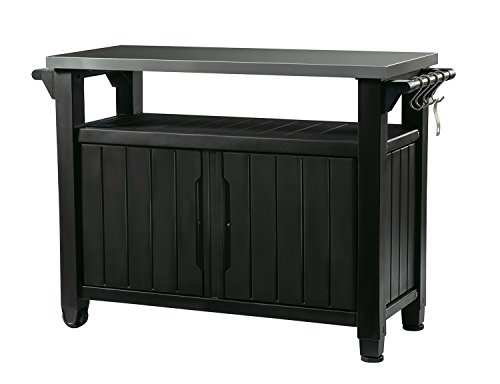
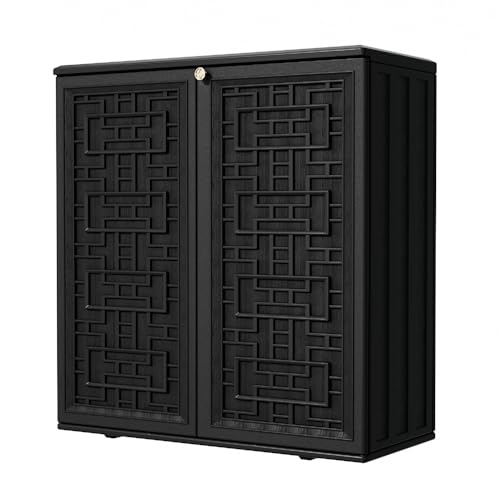
What Is an Outdoor Patio Cabinet?
An outdoor patio cabinet is a freestanding or wall-mounted storage unit engineered to live outside. Unlike indoor cabinets, it is built with weather-resistant materials, sealed seams, and ventilation strategies that manage moisture. Most units fall into two broad roles: concealed storage for cushions, table linens, grill accessories, and toys, and display or prep storage for entertaining essentials you want within arm's reach.
Because patios serve double duty as dining rooms and relaxation zones, storage is often the missing piece. A well-chosen cabinet keeps your outdoor patio furniture with built-in storage philosophy consistent, and it pairs naturally with a broader outdoor living plan that balances comfort and function.
Types of Outdoor Patio Cabinets
Cabinet categories differ mainly by installation method and how they handle weather. Choosing the right type first makes every later decision easier.
| Type | Best For | Key Strength | Tier Guidance |
|---|---|---|---|
| Freestanding cabinet | Deck edges, porch corners, open patios | Easy to relocate and reposition seasonally | Entry-level to mid-tier models cover most needs |
| Wall-mounted cabinet | Small balconies and tight footprints | Saves floor space; keeps items off wet surfaces | Mid-range units offer better anchoring hardware |
| Bench storage cabinet | Seating plus storage in one footprint | Dual purpose for small patios | Balanced tier delivers the best seating comfort |
| Rolling or mobile cabinet | Flexible entertaining layouts | Moves where the gathering happens | Mid-tier models usually add locking casters |
| Prep or grill station cabinet | Outdoor kitchens and barbecue zones | Tool and fuel organization near cooking | High-end tier supports heavier countertop loads |
If your patio doubles as a cooking zone, a prep-oriented cabinet complements an outdoor kitchen setup and works well alongside a dedicated outdoor grilling prep station table with storage.
Materials: What Actually Survives Outdoors
Material choice is the single biggest factor in longevity. The right material depends on your climate, sun exposure, and how much maintenance you are willing to accept.
High-Density Polyethylene (HDPE) and Resin
HDPE and resin cabinets resist rot, insects, and moisture extremely well. They are the most forgiving choice for humid or rainy climates and require almost no upkeep. Entry-level resin units are lightweight, while mid-range and premium versions add thicker walls, reinforced shelving, and better hinges. HDPE is a strong fit for coastal patios where salt air accelerates corrosion.
Powder-Coated Steel and Aluminum
Metal cabinets offer a clean, modern look and strong structural rigidity. Aluminum is lighter and rust-resistant, making it ideal for humid regions. Powder-coated steel is heavier-duty but depends entirely on finish integrity: any scratch that exposes bare metal becomes a rust risk. A rust-proof finish and sealed fasteners are non-negotiable in this category. If rust is a recurring issue in your area, review our notes on furniture that avoids corrosion when comparing outdoor lounge chairs that don't rust for matching material guidance.
Solid Wood and Teak
Wood delivers warmth and blends beautifully with natural surroundings. Teak and similar dense hardwoods handle weather well when oiled regularly. Softer woods demand more frequent sealing and are best kept under cover. Wood cabinets suit covered porches better than fully exposed decks.
Wicker, Rattan, and Composite Weave
Woven cabinets prioritize visual softness and pair well with conversation seating. Synthetic all-weather wicker over a metal frame outperforms natural rattan outdoors. These units tend to be lighter-duty, so treat them as decorative storage rather than heavy-duty tool lockers.
Waterproof Fabric and Soft-Sided Cabinets
Soft-sided storage cabinets are collapsible, portable, and useful for seasonal overflow. They protect against dust and light rain but are not a substitute for rigid weatherproof storage in exposed locations.
Weather Resistance: What to Look For
Marketing claims are easy; construction details tell the real story. Evaluate these features before committing:
- Sealed seams and gaskets — gaps are where water enters, especially on doors and tops.
- Raised base or adjustable feet — keeps the cabinet off standing water and improves airflow.
- Sloped or overhanging lid — sheds rain away from door seams.
- Ventilation — small vents prevent trapped humidity from causing mold on stored cushions.
- UV-stable finish — prevents fading and brittleness in full sun.
- Corrosion-resistant hardware — stainless or coated hinges and latches outlast standard zinc fittings.
For a deeper seasonal maintenance routine, our weatherproofing guide covers sealants, covers, and inspection schedules that extend cabinet life.
Sizing and Capacity Planning
Measure twice, store once. Start by listing what the cabinet must hold, then size up slightly to leave breathing room.
- Cushions: stack height and depth drive the interior dimensions you need. Deep cushions often require a bench-style or deep freestanding unit.
- Linens and tableware: shallow shelves with dividers work best and keep stacks stable.
- Grill tools and fuel: tall, narrow compartments prevent tipping and keep flammables organized.
- Toys and pool gear: wide, open interiors with drainage holes are more practical than many small shelves.
On tight patios, vertical storage is the highest-leverage move. Wall-mounted cabinets and tall narrow units free up floor area without crowding walkways. If space is genuinely limited, our guide to outdoor lounge furniture for small spaces offers complementary layout ideas.
Door Styles, Locks, and Access
Access design affects daily usability more than most buyers expect.
- Single door: simple and space-efficient; best for narrow cabinets.
- Double doors: wide opening for bulky cushions and bins.
- Lift-up lid: ideal for bench storage and quick grab-and-go access.
- Drawers: excellent for small items but weaker in rain-prone spots unless well gasketed.
- Locking latches: worth considering if the cabinet stores tools or chemicals; child-safety latches matter on family patios.
Soft-close hinges and magnetic catches are small details that meaningfully improve long-term satisfaction. Check that hinges are replaceable, since they are the most common failure point.
Design and Style Integration
A cabinet should feel intentional, not like an afterthought. Match the cabinet's finish to your existing furniture palette: powder-coated charcoal and sage pair well with modern sets, while natural wood tones harmonize with rustic and coastal themes. Low-profile cabinets read as built-in furniture; tall cabinets function as visual anchors and can define the edge of a seating zone.
Consider how the cabinet relates to nearby pieces. A cabinet placed beside a outdoor patio bench creates a tidy storage-and-seating corner, while one positioned near an outdoor patio bar keeps glassware and bar tools organized during entertaining. Coordinating with an outdoor living room layout keeps the whole space visually coherent.
Placement and Setup Tips
- Place cabinets on a level, well-drained surface; pavers or a small platform reduce moisture wicking.
- Avoid low spots where water pools after rain.
- Anchor tall units against a wall or fence in windy areas.
- Keep at least a small gap from walls to improve airflow and prevent trapped dampness.
- Position prep cabinets within easy reach of the grill but away from direct flame and heat.
- Shade the cabinet during peak sun hours if the finish is not UV-stabilized.
Smart Storage Organization
Great cabinets fail when organization is an afterthought. Use stackable clear bins for small items, label shelves by category, and keep a moisture absorber in humid climates. Store cushions upright rather than flat when possible so air circulates. Reserve the top shelf for rarely used items and the middle for daily essentials. A simple inventory list taped inside the door prevents duplicate purchases and forgotten gear.
Pairing a cabinet with a waterproof outdoor metal storage cabinet in a secondary zone creates a two-tier system: daily essentials up front, seasonal overflow in reserve.
Quick Buying Checklist
- Confirm climate exposure: full sun, covered porch, or coastal salt air.
- Choose material tier based on maintenance willingness.
- Measure footprint and doorway clearance for delivery.
- Verify sealed seams, raised base, and ventilation.
- Check hinge and latch quality plus replaceability.
- Confirm lock and child-safety needs.
- Match finish to existing furniture palette.
- Plan internal organization before the cabinet arrives.
Frequently Asked Questions
Can an outdoor patio cabinet stay outside all year?
Yes, if it is rated for outdoor use and built with sealed seams, UV-stable materials, and corrosion-resistant hardware. In freezing climates, empty and cover soft-sided units and check rigid cabinets for ice damage after storms.
Which material is best for a humid climate?
HDPE, resin, and aluminum are the most forgiving in humid conditions because they resist rot and corrosion. Wood requires consistent sealing, and powder-coated steel demands careful scratch repair.
How do I stop cushions from getting moldy inside a cabinet?
Choose a ventilated cabinet, store cushions upright, ensure they are fully dry before storage, and use a moisture absorber. Avoid sealing damp items in an airtight space.
Do I need to anchor a tall cabinet?
Yes in windy or exposed areas. Tall cabinets should be secured to a wall, fence, or ground anchor to prevent tipping during storms.
What should I look for in a grill-side cabinet?
Heat clearance, a stable countertop surface, divided compartments for tools and fuel, and locking latches if chemicals or sharp tools are stored inside.