Patio Furniture Set with Fire Pit Clearance: A Complete Buyer's Guide
Everything you need to evaluate a fire pit patio set — from layout and materials to safety clearances and long-term durability — so you can choose with confidence.
START YOUR RESEARCHWhy this guide matters: A patio furniture set with a fire pit is one of the most significant outdoor investments you can make. It anchors your backyard layout, defines your entertaining space, and influences how you use your patio across every season. This guide is written for buyers who already know they want a fire pit set and now need clear, trustworthy information before deciding.
What Exactly Is a Patio Furniture Set with Fire Pit?
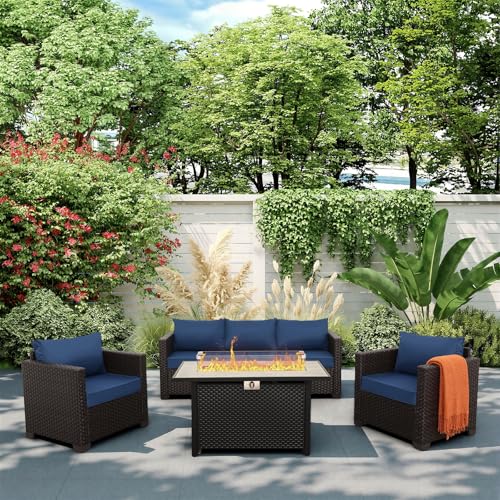
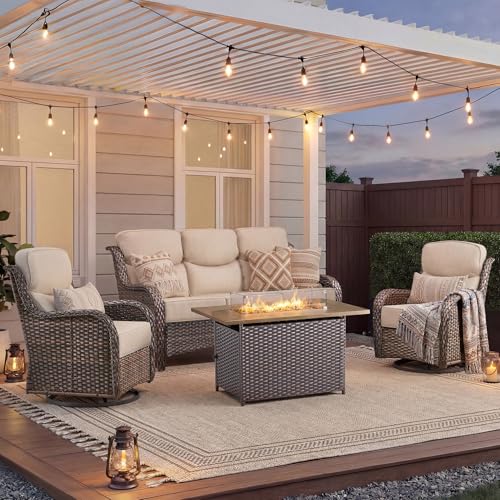
A patio furniture set with a fire pit is a coordinated outdoor seating group built around a central fire feature. Unlike a standard patio conversation set, these arrangements are designed so that every seat faces or angles toward the fire pit, creating a natural focal point for conversation, warmth, and evening ambiance.
These sets typically include a sofa or loveseat, two or more armchairs, a coffee table or fire table, and sometimes ottomans or side tables. The fire pit may be integrated into the coffee table (a fire table), or it may sit as a standalone unit in the center of the seating circle. Understanding which configuration suits your space is the first step in making a smart decision.
If you are still exploring broader options, our outdoor furniture guide for small screened-in porches can help you compare compact layouts that pair well with a fire feature.
The Buying Framework: What to Evaluate Before You Decide
Buyers in the research stage often focus on appearance first. That is natural, but appearance is only one layer. A fire pit set needs to hold up to heat, weather, and frequent use. Use the following framework to evaluate any set you are considering.
1. Seating Capacity and Layout
Start with how many people you realistically host. A four-person set works well for couples and small families, while six- to eight-person sets suit frequent entertainers. Pay attention to the shape — round, rectangular, or L-shaped — because the shape determines how well the conversation flows and how the fire pit sits in the middle. A round patio dining set with fire pit creates an intimate circle, while an L-shaped sectional opens up floor space for movement.
2. Fire Pit Type: Integrated vs. Standalone
Integrated fire tables keep the layout tidy and eliminate a separate piece of furniture. Standalone fire pits offer flexibility — you can move them, store them, or replace them independently. Consider whether you want the fire feature to be permanent or adaptable. If you entertain often, a standalone pit paired with a modular seating group may serve you better over time.
3. Material and Heat Resistance
Fire pits generate concentrated heat. The materials nearest the flame must be rated for it. Look for powder-coated steel, stainless steel, cast aluminum, or heat-treated stone. Cushions and fabrics near the fire should be treated with flame-resistant finishes. Our guide to outdoor furniture fabric explains which weaves and coatings hold up best in high-heat environments.
4. Safety Clearance
This is the most overlooked factor. Every fire pit has a recommended clearance radius — typically between 3 and 6 feet from combustible materials, depending on the unit. Measure your patio before you buy, not after. If your space is tight, a smaller integrated fire table with a narrower clearance requirement is the safer choice. Do not place upholstered furniture within the manufacturer's stated minimum distance.
5. Weather Resistance and Storage
Outdoor furniture lives in the elements. Look for rust-proof finishes, water-repellent cushions, and frames that resist UV fading. If you plan to store cushions during wet months, consider a set that pairs with patio furniture with built-in cushion storage to keep everything dry and protected.
6. Assembly and Footprint
Measure your patio, walkways, and doorways before committing. Assembly complexity varies widely between entry-level and top-tier sets. If you have limited space, review compact arrangements like outdoor table and four chairs with cushions to see how a fire pit can fit without overwhelming the area.
Comparing Tiers: Entry-Level, Mid-Range, and Premium
To make comparison easier, we use a universal tier system rather than figures. This keeps the guide useful over time and lets you focus on what actually matters: build quality, features, and long-term durability.
Essential Tier
Best for first-time buyers or seasonal use. Frames are typically lighter steel or resin, fire pits are usually propane or small wood-burning units, and cushions are thinner. Good value for its tier if you need a complete set without overcommitting.
Balanced Tier
The sweet spot for most homeowners. Heavier frames, better powder coating, thicker cushions, and fire tables with improved burner mechanisms. Competitive within its class for durability and comfort. A solid choice for year-round use in moderate climates.
Top-Tier
Built for long-term investment. High-grade aluminum or stainless steel frames, commercial-grade fabrics, and fire features with refined controls and heat output. Feature-rich for its class and designed to handle heavy use and harsh weather.
The key insight is that mid-range sets usually offer the best balance of durability and features for most households. Entry-level sets are fine for light use, while premium sets make sense if you entertain often or live in a climate with extreme seasons. For a broader look at how these tiers apply across categories, see our patio conversation sets overview.
Understanding Fire Pit Clearance and Patio Layout
Clearance is not just a safety requirement — it is a design constraint that shapes your entire layout. A fire pit needs breathing room, and so do your guests. Here is a practical way to think about it.
- Minimum safety radius: Check the manufacturer's specification for your specific fire pit. Most require 3 to 6 feet of clearance from combustible materials.
- Comfortable walking space: Leave at least 2 to 3 feet between seating and the fire pit edge so people can move without stepping over cushions or leaning into the heat.
- Traffic flow: Keep a clear path from your patio door to the seating area. Do not let the fire pit block the main walkway.
- Wind direction: Position seating so smoke drifts away from the main conversation area, especially with wood-burning units.
If your patio is on the smaller side, consider a round patio coffee table with umbrella hole as a dual-purpose centerpiece — you can use it for shade during the day and swap in a portable fire pit for evenings. For larger layouts, a patio sectional with dining table can define two zones while still leaving room for a fire feature.
Our outdoor dining table set with fire pit guide goes deeper into how to integrate a fire feature into a dining arrangement without compromising clearance or comfort.
Materials That Matter: What to Look For
Material choice determines how your set ages. Here is a concise comparison of the most common options for fire pit patio furniture.
| Material | Best For | Key Consideration |
|---|---|---|
| Powder-Coated Steel | Mid-range and premium frames | Durable and rust-resistant when the coating is intact; inspect for chips near the fire pit. |
| Cast Aluminum | Lightweight, rust-proof frames | Will not rust, but can dent under heavy impact; good for coastal areas. |
| Stainless Steel | High-heat zones and premium sets | Excellent heat resistance and longevity; look for marine-grade in humid climates. |
| Resin / Poly | Entry-level and casual sets | Lightweight and weather-resistant, but less heat-tolerant near the fire pit. |
| Teak / Hardwood | Rustic and natural aesthetics | Beautiful but requires sealing; keep well away from open flame. |
For cushions and fabrics, prioritize solution-dyed acrylic or olefin, both of which resist fading and moisture. Our outdoor furniture cushions guide covers fill types and maintenance in more detail. If you need replacements later, outdoor dining replacement cushions are widely available in standard sizes.
Fuel Types: Propane, Natural Gas, Wood, and Gel
The fuel type affects convenience, safety, and how you use the set. Here is a quick breakdown.
- Propane: Portable, easy to start, and widely available. Requires a tank that you will need to hide or store. Best for flexible layouts.
- Natural Gas: Permanent connection, no refilling, and consistent heat. Requires professional installation and a fixed location. Ideal if you plan to stay in your home long-term.
- Wood-Burning: Traditional ambiance and crackling sound. Produces smoke and ash, and requires more clearance. Best for open patios with good ventilation.
- Gel and Bio-Ethanol: Clean-burning and low-smoke, often used in compact fire tables. Lower heat output, but easier to place in tighter spaces.
If you want a permanent, low-maintenance setup, a rectangular concrete fire pit with natural gas is worth considering as a standalone centerpiece. For a more traditional dining-focused layout, a outdoor dining table with fire pit in the middle combines function and ambiance.
Pre-Purchase Checklist
Before you finalize any decision, run through this checklist. It takes ten minutes and prevents costly mistakes.
- Measure your patio — length, width, and the distance from your door to the proposed fire pit location.
- Confirm the clearance radius for the specific fire pit model you are considering.
- Check the frame warranty and whether it covers rust and finish peeling.
- Verify cushion fabric ratings for UV resistance and water repellency.
- Plan for storage — where will cushions and covers go during off-season?
- Review assembly requirements — some sets require two people and several hours.
- Confirm fuel availability — propane refills, natural gas hookup, or wood supply.
- Check return policy and delivery conditions before ordering.
For sets that need extra protection, consider pairing your purchase with a waterproof material for garden furniture cover to extend the life of your investment.
Ready to explore specific configurations? Browse our outdoor dining table set with fire pit collection or compare patio conversation sets with swivel chairs for a more relaxed layout.
Common Mistakes Buyers Make
Even well-informed buyers can overlook details. Here are the most frequent pitfalls and how to avoid them.
- Ignoring clearance: Placing seating too close to the fire pit creates a safety hazard and makes the space uncomfortable. Always measure first.
- Choosing based on looks alone: A beautiful set that rusts in one season is not a good investment. Prioritize materials and finish quality.
- Underestimating assembly: Some sets arrive in dozens of pieces. Check reviews for assembly difficulty before buying.
- Forgetting about wind: Wood-burning pits produce smoke that follows the wind. Position seating accordingly.
- Skipping the cover: Even weather-resistant furniture lasts longer with a cover. It is a small addition with a big payoff.
If you are furnishing a smaller area, our guide to patio conversation sets for small spaces shows how to fit a fire feature without crowding the layout.
Frequently Asked Questions
How much clearance does a fire pit patio set need?
Most manufacturers recommend 3 to 6 feet of clearance from combustible materials, but this varies by unit. Always check the specific product manual. As a rule of thumb, leave at least 3 feet between the fire pit edge and any upholstered furniture, and keep a clear walking path around the seating area.
Is a propane or natural gas fire pit better for a patio set?
Propane offers flexibility and portability, making it ideal if you rearrange your patio often or move homes. Natural gas provides a permanent, refill-free setup but requires professional installation. For most homeowners, propane is the more practical starting point; natural gas is a long-term investment for a fixed layout.
Can I use a fire pit set on a wooden deck?
Yes, but with caution. Wooden decks require a heat shield or fire-resistant mat beneath the fire pit, and you must maintain the manufacturer's clearance radius. Check local fire codes as well. A screened-in deck may have additional ventilation requirements.
What is the best material for a fire pit patio set?
Powder-coated steel and cast aluminum are the most practical choices for frames, offering a balance of durability and weather resistance. For the fire pit itself, stainless steel or heat-treated stone is best. Cushions should use solution-dyed acrylic or olefin for fade and moisture resistance.
How do I protect my fire pit set during winter?
Clean and dry all surfaces, remove cushions and store them indoors, and cover the frame with a breathable waterproof cover. For the fire pit, drain any water, remove ash or propane tanks, and cover the burner. Our patio furniture with cushion storage guide offers more storage solutions.
Should I choose a round or rectangular fire pit set?
Round sets encourage conversation and work well in compact spaces. Rectangular sets fit neatly against walls and suit longer patios. Consider your patio shape, traffic flow, and how many people you host. A round patio dining set with fire pit is a strong choice for intimate gatherings.
Final Thoughts
A patio furniture set with a fire pit is more than a purchase — it is a long-term investment in how you use your outdoor space. By evaluating seating capacity, fire pit type, materials, safety clearance, and weather resistance, you can choose a set that fits your lifestyle and holds up over time.
Use the tier system as your guide: entry-level sets suit light, seasonal use; mid-range sets offer the best balance for most homeowners; and premium sets deliver commercial-grade durability for heavy use. Whichever tier you choose, prioritize clearance and material quality over aesthetics — those are the factors that determine whether your set lasts for seasons or just one summer.
When you are ready to compare specific models, revisit the checklist above and keep your measurements handy. A well-chosen fire pit set becomes the heart of your backyard — a place where family and friends gather long after the sun goes down.