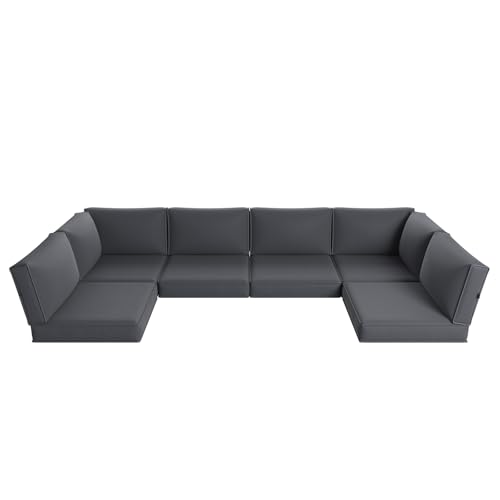
Replacement Cushions for Teak Outdoor Furniture: The Complete Buying Guide
Teak frames last for decades, but their cushions rarely do. Learn how to choose the right replacement cushions, measure with confidence, and restore comfort to your outdoor seating.
START THE GUIDEWhy this guide matters: If you own teak patio furniture, you already know the frame is a long-term investment. Yet sun exposure, rain, and daily use eventually wear out the cushions. This guide explains how to identify the right replacement cushions for teak outdoor furniture, what materials perform best, and how to avoid common fitting mistakes.
Why Teak Furniture Deserves Purpose-Built Cushions
Teak is one of the most durable outdoor woods available, prized for its natural oils and weather resistance. Because the frame can last for decades, investing in quality replacement cushions is the most effective way to keep your seating comfortable and visually cohesive. Generic cushions often slide, sag, or fade quickly, while purpose-built cushions are shaped to complement teak's clean lines and natural warmth.
Teak furniture typically features slatted or solid seats with a smooth, sanded finish. Cushions designed for teak frames usually include secure ties, non-slip backing, or a tailored contour that prevents shifting. If you are refreshing an entire seating group, you may also want to explore replacement cushions for outdoor furniture to compare universal and custom-fit options side by side.
How to Measure Teak Furniture for Replacement Cushions
Accurate measurements are the single most important step. Even a small difference in seat depth or back height can cause a cushion to bunch, slide, or leave gaps. Follow these steps to measure correctly:
- Seat width: Measure from the inner edge of one armrest to the other, or across the seat frame if the piece is armless.
- Seat depth: Measure from the front edge of the seat to the backrest, following the flat seating surface.
- Seat thickness: Check the existing cushion or the height you want for comfort; common options range from thin pads to plush mid-tier cushions.
- Back height and width: For back cushions, measure the visible backrest area and note whether the cushion should rest above or behind the seat cushion.
- Corner and curve profiles: For curved or rounded teak seating, note the radius or take a template of the seat shape.
If your teak set includes curved or sectional pieces, it helps to review guidance on replacement cushions for curved outdoor furniture and sectional patio furniture cushions to understand how contour and seam placement affect fit.
Choosing the Right Fabric and Fill for Teak Cushions
The fabric and fill determine how long your cushions last and how comfortable they feel. Teak furniture is often placed on open patios, decks, or poolside areas, so moisture and UV resistance are essential.
Fabric options
- Solution-dyed acrylic: Excellent fade resistance and color retention; a top-tier choice for sunny exposures.
- Olefin: Moisture-resistant and durable; a solid mid-range option for covered patios.
- Polyester blends: Often found in entry-level cushions; look for UV-stabilized and water-repellent finishes.
- Performance fabrics: Premium outdoor textiles with stain resistance and breathable weaves for high-end comfort.
Fill and foam options
- Standard polyurethane foam: Common in entry-level and mid-tier cushions; choose higher-density foam for better support.
- High-resilience (HR) foam: Retains shape longer and suits daily use.
- Quick-dry foam: Designed for poolside and uncovered areas; allows water to drain quickly.
- Wrapped foam or fiber wrap: Adds a softer feel on top of supportive foam; common in premium cushions.
For furniture with wicker or rattan frames alongside teak, the material principles are similar. You can compare options in our guide to replacement cushions for rattan furniture to see how fabric weight and fill density translate across frame types.
Comparing Cushion Tiers for Teak Furniture
To make the decision easier, here is a neutral tier comparison based on construction and materials rather than any numeric figures. Use it to match your expectations with the right category.
| Tier | Typical Construction | Best For | Durability Notes |
|---|---|---|---|
| Essential tier | Standard foam with polyester or basic acrylic cover | Covered patios, seasonal use, quick refresh | Good for light exposure; may need replacement sooner in full sun |
| Balanced tier | Higher-density foam with solution-dyed acrylic or olefin | Daily use on covered or partially shaded patios | Strong fade and moisture resistance; retains shape well |
| Premium tier | HR foam or quick-dry core with performance fabric | Uncovered decks, poolside areas, frequent use | Excellent weather resistance; tailored fit and secure ties |
| Top-tier / luxury | Multi-layer foam, wrapped fiber, custom tailoring | High-end teak sets, design-focused spaces | Flagship-level comfort and longevity with premium textiles |
If your furniture includes multiple seating types, such as a teak sofa plus wicker accent chairs, you can mix tiers as long as the fabric color and texture remain cohesive. Browse replacement cushions for wicker furniture for coordinating options.
Fit, Style, and Attachment Details
Teak furniture often has clean, straight lines, so cushion shape matters as much as material. Look for cushions with square corners for modern sets, rounded corners for traditional sets, and piped edges for a tailored finish. Attachment features are equally important:
- Tie-backs: Fabric ties secure the cushion to the frame and prevent sliding.
- Non-slip backing: Textured undersides grip the slats without visible straps.
- Zippered covers: Removable covers simplify cleaning and seasonal storage.
- Contoured backs: Shaped back cushions follow the angle of teak dining and lounge chairs.
If your teak set includes a rocking or swivel piece, check whether the cushion needs a split back or extra tie points. Similar considerations apply to replacement cushions for rattan swivel rockers, where stability and tie placement are key.
Caring for Replacement Cushions on Teak Furniture
Even premium cushions benefit from basic care. Brush off loose debris, spot-clean with mild soap and water, and allow cushions to air-dry completely before use. Store cushions during extended wet or winter periods, and consider breathable covers for shorter absences. Rotate seat cushions occasionally to distribute wear evenly.
If your teak furniture shares space with wicker or woven pieces, consistent cleaning routines help maintain a cohesive look. Our guide to replacement cushion covers for wicker furniture covers removable cover care in more detail.
Common Mistakes to Avoid
- Ordering by frame size alone: Always measure the seating surface, not the outer frame dimensions.
- Ignoring fill density: Low-density foam compresses quickly; choose HR or quick-dry foam for daily use.
- Mixing fabric types: Different fabrics fade at different rates; keep the whole set in the same fabric family.
- Skipping tie-downs: Teak seats are often smooth; ties or non-slip backing prevent constant readjustment.
- Forgetting storage: Cushions left out in harsh weather age faster, even premium fabrics.
Frequently Asked Questions
How do I measure my teak furniture for replacement cushions?
Measure seat width from arm to arm, seat depth from front edge to backrest, and the desired cushion thickness. For back cushions, measure the visible backrest height and width. Allow a small tolerance for fabric stretch.
What fabric is best for teak outdoor furniture cushions?
Solution-dyed acrylic and olefin fabrics offer excellent fade and moisture resistance. Performance fabrics with water-repellent finishes are ideal for uncovered patios and high-end comfort.
Can I use indoor cushions on teak outdoor furniture?
Indoor cushions are not recommended because they lack moisture, mildew, and UV resistance. Outdoor-specific cushions maintain shape and color under weather exposure.
How often should teak outdoor furniture cushions be replaced?
Typically every three to five years, depending on fabric quality, sun exposure, and storage habits. Premium outdoor fabrics tend to last longer than entry-level options.