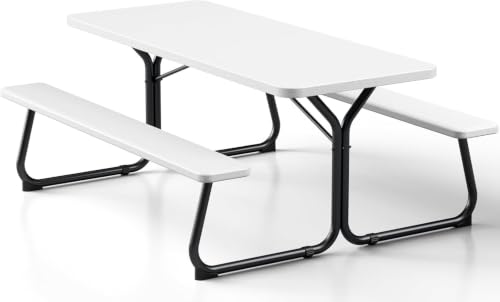
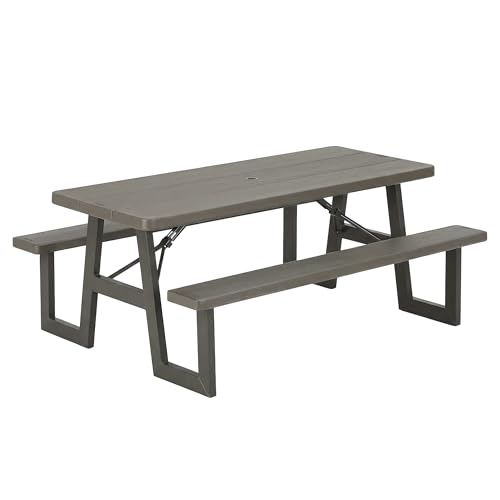
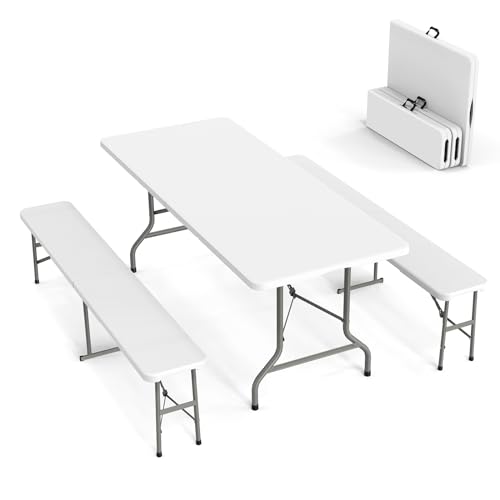
Small Picnic Bench: The Complete Buying Guide
Compact, practical, and surprisingly versatile — discover how a small picnic bench can transform your patio, balcony, or compact garden into a relaxed outdoor dining spot.
Explore Buying FactorsWhy a small picnic bench deserves your attention: Not every outdoor space can accommodate a full dining set. A small picnic bench delivers the classic picnic-table experience — built-in seating, a shared surface, and a casual atmosphere — in a footprint that fits balconies, porches, and narrow patios. This guide walks you through sizing, materials, and design choices so you can pick the right model with confidence.
What Makes a Picnic Bench “Small” — and Who Is It For?
A small picnic bench typically refers to a combined table-and-bench unit designed for two to four people, with a footprint notably shorter than a standard six- or eight-seater picnic table. These compact designs usually span 36 to 60 inches in length and share the same integrated seating concept as their larger counterparts, but trim unnecessary overhang to fit tighter areas.
This category suits a wide range of outdoor spaces. If you have a small patio and want a dedicated eating area without crowding your lounge zone, a compact bench works well. Balcony owners often pair one with a small balcony set for flexible seating. Families with young children appreciate the bench format because kids can slide in easily from either side. And for casual backyard setups where a small outdoor table and chairs would feel too formal, a picnic bench keeps things relaxed.
Sizing and Layout: Getting the Fit Right
Size is the single most important factor when shopping for a compact picnic bench. Below is a practical reference for common configurations. Keep in mind that depth clearance matters as much as length — you need room to step in and out, especially if the bench sits against a wall or railing.
| Configuration | Typical Length | Seats | Best For |
|---|---|---|---|
| Bench-only (no attached table) | 36–48 in | 2–3 | Balconies, porches, tight patios |
| Compact table + attached benches | 48–60 in | 3–4 | Small patios, courtyards |
| Folding picnic bench | 36–54 in (folded: 6–10 in) | 2–3 | Multi-use spaces, storage-limited homes |
| Corner or L-shaped compact unit | Varies (uses corner space) | 3–4 | Tight corners, wraparound decks |
Measure your space before browsing. Mark the intended footprint with painter's tape on the ground or deck to visualize how the bench will sit. Remember to leave at least 24 inches of clearance on the seating sides for comfortable entry and exit. If your space is exceptionally tight, a small outdoor bench without a table might be the better fit — it provides seating without the extra table depth.
Material Choices: Durability Meets Design
The material you choose affects everything from maintenance requirements to how the bench looks in your space. Here is a breakdown of the most common options for compact picnic benches:
Solid Wood (Cedar, Pine, Teak)
Warm, natural appearance that suits rustic and farmhouse styles. Cedar and teak offer good natural rot resistance; pine is lighter but needs regular sealing. Expect periodic re-oiling or staining to maintain appearance and longevity. Best for covered patios with moderate weather exposure.
Powder-Coated Steel
Heavy-duty and robust, with a rust-proof finish when properly coated. Handles rain and humidity well with minimal upkeep. Slightly heavier than aluminum, which can be a plus for stability in windy areas. Look for models with reinforced joints for long-term durability.
Aluminum
Lightweight and rust-resistant, making it easy to reposition and store. Quality varies — mid-range and premium aluminum models typically use thicker gauge metal and better welding for stability. Good for balconies where weight limits or portability matter.
Composite / HDPE
Weather-resistant and low-maintenance, often made from recycled materials. Doesn't splinter or rot, and resists fading with UV-stabilized finishes. Texture varies by model — top-tier composites mimic wood grain convincingly. A solid long-term investment for exposed outdoor spaces.
Features Worth Prioritizing
Beyond material and size, these design details separate a good compact picnic bench from a frustrating one:
- Umbrella hole: A pre-drilled center hole lets you add shade without a separate base. This is especially valuable on sunny patios. Pair it with a small outdoor umbrella sized to the bench.
- Foldable design: Folding benches collapse flat for storage — ideal if your outdoor space doubles as a walkway or if you need to bring the bench indoors during winter.
- Rounded edges and corners: Safer for households with children and reduces the risk of accidental bumps in tight spaces.
- Adjustable or leveling feet: Compensates for uneven decking or patio pavers, preventing wobble.
- UV-resistant finish: Protects color and surface integrity under prolonged sun exposure, particularly important for plastic, composite, and painted metal models.
- Weight capacity rating: Check the manufacturer's stated per-seat capacity. Higher-tier models often publish tested load ratings for confidence.
- Easy-clean surface: Smooth finishes on metal and composite wipe down quickly; wood may require occasional sanding and re-sealing.
Styling and Placement Ideas
A compact picnic bench is more than furniture — it is a design anchor. Here are practical ways to integrate one into your outdoor layout:
On a balcony: Push the bench against the railing with the seating side facing inward. Add a small planter on the tabletop for greenery, and consider a folding model if the balcony also serves as an access route. A small table and chair set for balcony works as an alternative if you prefer individual chairs.
On a patio: Position the bench near your main seating area to create a casual dining nook. If your patio also hosts a small outdoor patio set for lounging, the bench can serve as overflow seating for meals and gatherings.
In a garden corner: A picnic bench nestled among planters and greenery creates a quiet retreat. Pair it with a small round garden table nearby for a layered, lived-in look.
On a porch: A bench with a backrest doubles as a spot for morning coffee. For porch settings, consider pairing with a small table and chair set for porch to create a cohesive sitting area.
Understanding Quality Tiers
Small picnic benches fall into roughly three quality tiers. Knowing what each tier offers helps you match the product to your expected use and climate:
| Tier | Typical Construction | Best For | Expected Longevity |
|---|---|---|---|
| Entry-Level | Thinner metal gauge, basic pine or fir, simpler joinery | Occasional use, covered areas, seasonal setups | Several seasons with care |
| Mid-Range | Thicker powder-coated steel or aluminum, cedar or treated hardwood, reinforced joints | Regular use, mixed weather exposure | Many seasons with routine maintenance |
| Premium | High-grade steel or aluminum, teak or composite, precision welding, UV-stabilized finishes | Year-round outdoor use, exposed locations | Long-term investment with minimal upkeep |
Mid-range models generally offer the best balance for most households — they provide noticeably better stability and finish than entry-level options without the specialized construction of premium tiers. If the bench will stay outdoors year-round in a rainy or snowy climate, a premium composite or high-grade metal model is a worthwhile investment.
Care and Maintenance Basics
Proper care extends the life of any outdoor bench. The routine differs by material:
- Wood: Clean with mild soap and water, re-seal or re-oil annually (or as recommended), and store or cover during extreme winter weather if the wood is not naturally rot-resistant.
- Metal: Wipe down with a damp cloth, touch up any chips in the coating promptly to prevent rust, and tighten bolts periodically as joints can loosen with use.
- Composite: Rinse with water and mild detergent; avoid abrasive cleaners that can dull the surface. Most composite benches need no sealing.
- All materials: Use a fitted cover during off-season months, and inspect hardware at the start of each season. For broader maintenance guidance, see our weatherproofing guide.
Ready to Find Your Perfect Fit?
Browse our curated selection of compact picnic benches designed for patios, balconies, and small gardens. Compare features and check availability to take the next step.
View Recommended ProductsFrequently Asked Questions
Looking for more compact outdoor solutions? Explore related guides on small patio furniture, small space patio furniture, and small outdoor patio tables with umbrella holes to complete your setup.