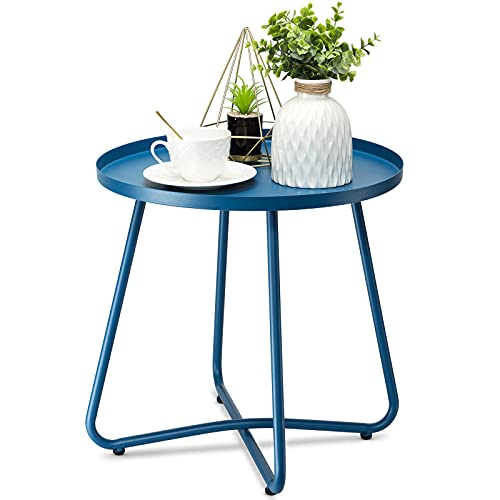
Small Round Garden Table: The Complete Buying Guide
Everything you need to know before choosing a compact round table for your patio, balcony, or garden corner — size, materials, stability, and design that actually works in tight spaces.
A small round garden table is one of the most practical pieces of outdoor furniture you can own. Its circular shape naturally softens tight corners, encourages conversation, and fits into spaces where a rectangular table simply will not work. Whether you are furnishing a narrow balcony, a compact patio, or a cozy garden nook, a round table delivers a surprising amount of function without overwhelming the area.
But choosing the right one is not as simple as picking the first round table you see. Diameter, height, material, base design, and umbrella compatibility all affect how well the table performs in real use. This guide walks you through each decision so you can buy with confidence — and avoid the common mistakes that leave buyers with a table that wobbles, rusts, or feels cramped.
If you are still exploring the broader category, our small patio furniture overview is a good starting point. For a direct look at the round-table format with shade support, see our guide to the small round outdoor table with umbrella hole.
Why Choose a Small Round Garden Table?
Round tables have a distinct advantage in compact outdoor areas. Because there are no sharp corners, they are safer in tight passages and easier to walk around. The circular footprint also allows seating to be distributed evenly, so every guest has comfortable legroom and a clear line of sight to the others.
From a design perspective, a round table breaks up the rigid lines of walls, fences, and rectangular planters. It creates a natural focal point and pairs beautifully with two to four chairs arranged symmetrically. For balconies and porches, a round bistro-style table is often the only shape that leaves enough clearance to open a door or move a chair without scraping the wall.
Compared with square or rectangular options, a small round garden table is also easier to position in irregular spaces. You can tuck it into a corner, angle it along a curved wall, or place it between two loungers without creating awkward gaps. That flexibility is why round tables remain the default choice for compact outdoor dining.
Size and Seating Guide
The most common mistake buyers make is choosing a table that is slightly too large for the space. A small round garden table should leave at least 24 to 30 inches of clearance on every side for chairs to pull out and for people to walk past. Measure your available footprint first, then subtract that clearance before deciding on a diameter.
| Diameter | Typical Seating | Best For | Tier Fit |
|---|---|---|---|
| 24–30 inches | 2 people | Balconies, narrow porches, coffee-style setups | Essential tier |
| 30–36 inches | 2–4 people | Small patios, garden corners, bistro dining | Balanced tier |
| 36–42 inches | 4 people | Compact dining areas, courtyard gardens | Mid-range to premium |
| 42–48 inches | 4 people comfortably | Larger patios that still need a compact footprint | Premium tier |
Height matters just as much as diameter. Standard dining height is around 28 to 30 inches, which pairs with regular patio chairs. Counter-height tables sit around 36 inches and require taller stools, while bar-height tables reach 40 to 42 inches. For a small garden table used mainly for coffee or drinks, a lower coffee-style height can feel more relaxed — but check that your existing chairs match.
If you are seating two people and want a dedicated dining setup, a small round patio table with 2 chairs is a well-proportioned combination. For families or couples who regularly host, the small round patio table with 4 chairs format offers a better balance of seating and footprint.
Material Comparison: What Holds Up Outdoors?
The material of your small round garden table determines how long it lasts, how much maintenance it needs, and how it looks after a few seasons of sun and rain. Here is how the main options compare.
Metal (Steel and Aluminum)
Powder-coated steel and aluminum are the most common materials for round garden tables. Aluminum is lighter and naturally rust-resistant, making it ideal for balconies where you may need to move the table. Steel is heavier and more stable but requires a rust-proof finish and occasional touch-ups if the coating chips. Look for reinforced welds and a weather-resistant coating on the frame and legs.
Wood (Acacia, Teak, and Eucalyptus)
Wood brings warmth and a natural look that suits cottage and rustic gardens. Acacia and eucalyptus are common in entry-level and mid-range tables, while teak sits in the premium tier thanks to its natural oils and long lifespan. Wood tables need periodic sealing or oiling, and they are heavier than aluminum. A round wooden table with a slatted top drains rainwater well and dries quickly.
Resin and Plastic
Resin tables are lightweight, weatherproof, and easy to wipe clean. They are a solid choice for starter-tier setups and for households that want zero maintenance. The trade-off is a less premium feel and, in some cases, fading after prolonged direct sun exposure. Higher-grade resin with UV stabilizers performs noticeably better than basic plastic.
Glass Tops
A tempered glass top on a metal frame gives a light, airy look that visually shrinks the table's footprint — a real advantage on a small balcony. Glass is easy to clean but shows water spots and fingerprints, and it requires careful handling. Ensure the glass is tempered and securely fastened to the frame.
Base Design and Stability
A round table is only as good as its base. The three common designs behave very differently in practice.
- Pedestal base: A single central column with a weighted foot. This design maximizes legroom and is the best choice for four-person seating. Look for a wide, heavy foot and a locking mechanism if the table is adjustable.
- Cross-frame base: Four legs joined in an X or cross pattern under the top. This is stable and common on folding bistro tables. It offers less foot room than a pedestal but folds flat for storage.
- Four-leg base: Individual legs positioned near the rim. This is stable and simple, but on a small round table the legs can crowd the seating area. Check that the legs are splayed outward for stability.
If the table will sit on a deck, balcony, or uneven patio surface, look for adjustable feet or glides. These small details prevent wobbling and protect the surface underneath. For windy, exposed locations, a heavier base or a table with a built-in umbrella hole and weighted foot is the safer choice.
Umbrella Hole Considerations
An umbrella hole turns a small round garden table into a shaded retreat, but it also adds a stability requirement. The hole itself is typically 1.5 to 2 inches in diameter and is designed for a standard patio umbrella pole. The critical question is whether the table can support the umbrella's leverage on a windy day.
Tables with a center hole usually have a reinforced ring or a thicker central section to handle the stress. A pedestal base with a wide, heavy foot handles an umbrella far better than a lightweight folding frame. If you plan to use a large umbrella, consider a separate weighted umbrella base rather than relying on the table alone.
For a focused look at this format, see our guide to the small round patio table with umbrella hole. If you prefer a metal frame, the small metal patio table with umbrella hole is a durable option worth comparing.
Space Planning Tips for Tight Outdoor Areas
Getting the most from a small round garden table is about arrangement as much as size. Here are practical guidelines that work on balconies, porches, and compact patios.
- Measure the swing, not just the footprint: Chairs need room to pull out. Leave at least 24 inches between the table edge and any wall or railing.
- Choose chairs that tuck in: Armless or low-back chairs can slide under the table when not in use, freeing up walking space.
- Use the vertical space: A small round table pairs well with a vertical planter or a wall-mounted light, keeping the floor clear.
- Keep the base narrow: A pedestal base lets you push chairs in from all sides, which matters when space is limited.
- Anchor the table visually: An outdoor rug under the table defines the dining zone and makes a small setup feel intentional.
For balconies specifically, a small balcony set or a small table and chair set for balcony is often a better fit than buying pieces separately. On a porch, the small table and chair set for porch format keeps the arrangement compact and cohesive.
Quality Tiers Explained
Small round garden tables span a wide range of build quality. Understanding the tiers helps you match the table to how often you will use it and how exposed it will be to the elements.
| Tier | Typical Build | Best For | Longevity Outlook |
|---|---|---|---|
| Entry-level | Lightweight resin or thin-gauge metal, basic folding frame | Occasional use, renters, seasonal balconies | Short to medium term |
| Mid-range | Powder-coated aluminum or acacia wood, reinforced joints | Regular family use, covered patios | Medium to long term |
| Premium | Heavy-gauge steel or teak, welded frame, weighted pedestal | Frequent entertaining, exposed gardens | Long term |
| Luxury / commercial-grade | Thick teak or marine-grade aluminum, precision joinery | Year-round outdoor living, hospitality use | Very long term |
Mid-range tables usually offer the best balance for most homeowners: a durable frame, a stable base, and a finish that holds up for years with minimal care. Entry-level tables are fine for light use, but check the weight rating and the base stability before buying. Premium and luxury tiers make sense when the table will stay outdoors year-round or see daily use.
Care and Maintenance
A small round garden table is easy to maintain if you follow a simple routine. Wipe the surface weekly during the season, and give the frame a deeper clean at the start and end of summer.
- Metal: Wash with mild soap and water, dry thoroughly, and touch up any chips in the coating to prevent rust.
- Wood: Clean with a soft brush, then apply a suitable sealant or oil once or twice a year depending on exposure.
- Glass: Use a glass cleaner and a soft cloth; avoid abrasive pads that can scratch the surface.
- Resin: Wipe with soapy water; avoid harsh solvents that can dull the finish.
During winter or long periods of disuse, store the table indoors or cover it with a breathable outdoor cover. If the table has an umbrella hole, make sure water can drain freely and does not pool around the pole. For broader maintenance advice, see our weatherproofing guide.
Related Compact Table Options
Round tables are not the only compact format. Depending on your space and seating needs, these alternatives are worth a look:
- Small bistro table set — a classic two-person pairing for balconies and patios.
- Small outdoor bistro table and 2 chairs — a ready-to-use combination.
- Small glass patio table with umbrella hole — a light, airy look with shade support.
- Small square patio table with umbrella hole — a space-efficient alternative to round.
- Small patio table and chairs — a general overview of compact dining sets.
- Small outdoor table and chairs for 2 — a focused two-person setup.
Frequently Asked Questions
What size round table fits a small balcony?
A 24 to 30 inch diameter table is usually the sweet spot for a balcony. It seats two comfortably and leaves enough clearance for chairs and walking space. Measure your railing clearance before choosing a larger diameter.
Is a round or square table better for a small patio?
Round tables are generally better for tight, irregular spaces because they have no sharp corners and allow even seating on all sides. Square tables can work well against a wall, but round tables are more forgiving in compact layouts.
Can a small round garden table hold an umbrella?
Yes, if the table has an umbrella hole and a stable base. Pedestal bases with a wide, weighted foot handle umbrella leverage best. For large umbrellas, use a separate weighted base for additional stability.
What is the most durable material for an outdoor round table?
Teak, marine-grade aluminum, and heavy-gauge powder-coated steel are the most durable options. Teak ages gracefully with oiling, while aluminum resists rust and is lightweight. Premium-tier tables in these materials last for many seasons.
How many chairs fit around a 36-inch round table?
A 36-inch round table comfortably seats three to four people, depending on chair width. For four adults, look for armless chairs or a slightly larger 42-inch table to avoid crowding.
Do I need to cover a small round garden table in winter?
Covering or storing the table during winter extends its life, especially for wood and metal frames. Use a breathable cover that allows moisture to escape, and make sure water can drain from the umbrella hole.
Ready to Choose Your Small Round Garden Table?
Compare our recommended compact round tables and find the build, size, and finish that fits your outdoor space.
Explore Recommended Options