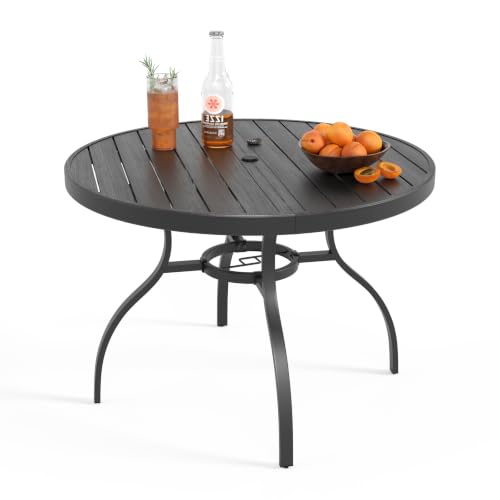
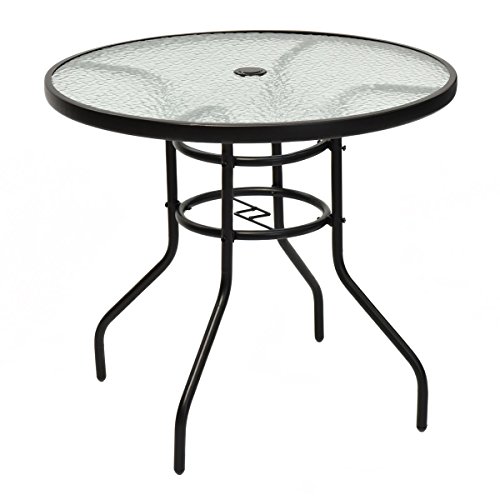
Small Round Patio Table With Umbrella Hole: The Complete Buying Guide
Everything you need to choose a compact round outdoor table with an umbrella opening — sizing, materials, stability, umbrella compatibility, and layout tips for balconies, porches, and small patios.
Why this guide matters: A small round patio table with an umbrella hole is one of the most practical outdoor purchases you can make. It gives you a dining surface, a shaded retreat, and a natural gathering point — all without consuming the floor space a rectangular set would demand. This guide walks you through the details that separate a table you will keep for years from one you will regret by the second season.
Why a Round Table With an Umbrella Hole Works So Well
Round tables are naturally space-efficient. Because there are no corners, you can walk around them in tighter footprints, and seating is evenly distributed so nobody is stuck at an awkward edge. When you add a center umbrella hole, the table becomes a shaded hub for morning coffee, casual lunches, or evening conversations — no freestanding umbrella stand competing for floor space.
For balconies and compact decks, the combination is especially useful. The umbrella rises from the table's center, so shade lands where you actually sit. If you are still mapping out your overall layout, our guide to small patio design pairs well with this article, as does our broader overview of small outdoor patio tables with umbrella holes.
Choosing the Right Diameter for Your Space
The single most common mistake is buying a table that looks right in the showroom but crowds the walking path at home. Use the cards below as a practical sizing framework, then measure your actual clearance before committing.
24–30 Inch Diameter
Seats two comfortably. Ideal for narrow balconies, apartment terraces, and breakfast nooks. Best paired with slim bistro chairs that tuck fully under the top.
31–36 Inch Diameter
Seats two generously or three with compact chairs. A versatile sweet spot for small patios and porches where you want room for plates, drinks, and a small centerpiece.
37–42 Inch Diameter
Seats four when chairs are space-conscious. Still qualifies as a small round table but needs a bit more breathing room — confirm at least 24 inches of clearance on each seating side.
As a rule of thumb, leave at least 24 inches between the table edge and any wall, railing, or planter so chairs can pull out without scraping. If your space is tighter than that, step down a size rather than squeezing in a larger top. Our small round patio table with two chairs guide covers ready-made pairings, while the four-chair version is worth a look if you entertain more often.
Tabletop Materials Compared
Outdoor tables live in sun, rain, and temperature swings, so the material matters as much as the dimensions. Here is how the most common options compare across durability, upkeep, and typical market positioning.
| Material | Market Tier | Best For | Upkeep Notes |
|---|---|---|---|
| Powder-coated aluminum | Mid-range | Humid, coastal, and rainy climates | Rust-resistant, lightweight, wipes clean; check for reinforced welds |
| High-grade resin / polypropylene | Entry-level | Casual use, rental spaces, seasonal setups | Weather-resistant and easy to hose down; lighter build may flex under heavy loads |
| Tempered glass top | Mid-range | Modern patios and balconies | Easy to wipe; must be tempered for safety; avoid sharp impacts at the edges |
| Teak or sealed hardwood | Premium | Dry climates and design-forward spaces | Periodic oiling needed; naturally durable grain; heavier to move |
| Cast aluminum or stone composite | High-end tier | Windy exposures and long-term installations | Heavy and stable; premium finish resists chipping; check umbrella base compatibility |
Whichever material you lean toward, prioritize a solid build and a weather-resistant coating over cosmetic details. A mid-range aluminum table with reinforced joints will typically outlast an entry-level model with a thinner frame, especially in exposed locations.
Understanding the Umbrella Hole and Base Requirements
Not all umbrella holes are created equal. The opening diameter, the reinforcing ring, and the support structure underneath determine how stable your umbrella will be once the wind picks up.
Hole Diameter and Grommet Quality
Most patio umbrellas use a pole diameter in the 1.5 to 2 inch range, and table openings are usually sized to match with a small margin. A reinforced metal or plastic grommet around the hole prevents chipping and keeps the umbrella pole centered. If the rim looks thin or unfinished, the table will likely show wear at that stress point first.
Base Placement and Stability
Some tables include a stabilizing hub or cross-brace under the top that holds the umbrella upright; others expect a separate weighted base on the ground or a side-standing base beside the table. Confirm which design your table uses before buying an umbrella — a mismatched base is the fastest route to a wobbling setup. For tables without built-in support, a heavier base is the safer choice.
Wind and Tilt Considerations
If your space catches gusts, choose a table with a heavier top or wider foot spread, and consider a crank-and-tilt umbrella that lets you angle shade without leaning the pole. On upper-floor balconies, always verify your building's rules about umbrella use and secure the base during storms.
Frame Stability: What to Inspect Before You Buy
Round tables can feel tippy if the base is too narrow relative to the top. Look for these construction signals:
- Wide foot spread: The legs or pedestal base should extend close to the table's outer edge for better tipping resistance.
- Reinforced joints: Welded or bolted connections at the leg-to-rim junction are stronger than friction-fit designs.
- Adjustable feet: Small leveling glides compensate for uneven deck boards and prevent rocking.
- Weight distribution: A slightly heavier top or a weighted pedestal improves stability on windy days.
- Rust-proof finish: Powder coating or a sealed finish protects the frame at ground contact points where moisture collects.
If you are comparing a pedestal design against a four-leg frame, our small round garden table overview and the outdoor round table guide both break down how each style behaves on different surfaces.
Pairing Chairs Without Crowding the Space
Chair choice can make or break a compact setup. Slim, armless bistro chairs tuck fully under the table and preserve walking room, while stackable sling chairs offer comfort with a low visual footprint. If you want a coordinated look, explore our small bistro table set and bistro table with two chairs guides.
For balcony layouts, the chair and table set for balconies and compact balcony table set articles cover footprint math in more detail. On porches, the porch table set guide is a useful companion read.
Placement Tips for Balconies, Decks, and Small Patios
Where you place the table matters as much as which table you choose. A few practical guidelines:
- Anchor near a railing or wall: Positioning the table against one edge frees up the main walking path.
- Keep the umbrella clear of overhead structures: Check clearance from pergolas, awnings, and balcony ceilings before opening the canopy fully.
- Leave room for chair pull-out: At minimum, 24 inches per seating side; 30 inches feels noticeably more comfortable.
- Define the zone with a rug: An outdoor rug visually separates the dining spot from the rest of the patio and helps chairs slide smoothly.
- Add lighting nearby: A small string-light run or a tabletop lantern extends usable hours without adding clutter.
If your layout is still coming together, browse our small patio furniture collection overview and the space-saving patio furniture guide for complementary pieces that fit the same footprint.
Care and Seasonal Maintenance
A round table with an umbrella hole needs a little attention at the hole and at the feet, since those are the two spots where water and stress concentrate. Wipe the grommet area after rain, clear debris from the opening, and check the base connection each season. During off-months, a fitted cover protects the top and keeps the hole clear of leaves and standing water.
For deeper upkeep guidance, see our weatherproofing guide and the outdoor care hub. If you are also refreshing surrounding pieces, the small outdoor table and chairs article covers finish care across materials.
A Quick Pre-Purchase Checklist
- Measure the available footprint and confirm at least 24 inches of clearance per seating side.
- Verify the umbrella hole diameter matches your umbrella pole, and check whether a separate base is required.
- Confirm the tabletop material suits your climate — aluminum or resin in wet regions, sealed wood in dry ones.
- Inspect frame stability: wide foot spread, reinforced joints, and leveling glides.
- Check that chairs tuck fully under the table to preserve walking space.
- Review the warranty and return terms before ordering, especially for glass-top models.
Related Round Table Guides
Frequently Asked Questions
What size round patio table fits a small balcony?
Do I need a separate umbrella base for a round patio table?
Which tabletop material is best for year-round outdoor use?
How many people can sit at a small round table?
Ready to Explore Your Options?
Browse hand-picked small round patio tables with umbrella holes and compare features, materials, and space-saving designs that fit your outdoor area.
View Top Picks