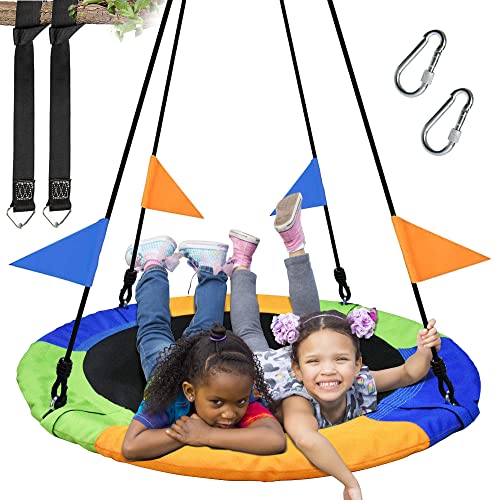
Swing From Tree: The Complete Buying & Setup Guide
Everything you need to choose, install, and enjoy a safe, durable tree swing in your backyard — from rope selection to tree protection and beyond.
Explore the GuideWhy a Tree Swing? A swing from tree turns any backyard into a destination for relaxation and play. It is one of the simplest, most enduring outdoor additions you can make — but the right result depends on choosing the correct swing type, hardware, and installation method. This guide walks you through every decision so you can buy and hang with confidence.
Why a Tree Swing Belongs in Your Outdoor Space
A hanging swing beneath a mature tree is more than a piece of play equipment. It is a focal point that invites people outdoors, encourages screen-free time, and adds a nostalgic charm that complements nearly any landscape style. Unlike freestanding swing sets, a tree swing works with the natural architecture of your yard — no large footprint, no assembly of a metal frame, and no permanent structure that dominates the view.
For homeowners researching outdoor additions, a tree swing sits at the intersection of fun and function. It can serve as a quiet reading spot for adults, a gentle glider for children, or a shared seat for two. Because it relies on an existing tree, it also tends to be a long-term investment when the hardware and installation are done correctly. If you are still mapping out your broader backyard plan, our swing for the backyard overview can help you compare hanging options against other seating ideas.
Types of Tree Swings: Find Your Fit
Not all tree swings are the same. The right choice depends on who will use it, how often, and the branch you have available. The table below maps common swing styles to their best use cases and quality tiers, so you can match a category to your needs before comparing specific models.
| Swing Type | Best For | Typical Tier | Key Consideration |
|---|---|---|---|
| Classic rope swing (wooden seat) | Adults and older children, rustic look | Entry-level to mid-range | Rope quality and seat finish determine longevity |
| Belt swing (flexible seat) | Families with young children | Essential tier | Soft, flexible seat; check rated load |
| Disc swing | Single rider, compact yards | Mid-tier | Requires a strong single anchor point |
| Two-seat glider or bench swing | Couples, relaxing together | Premium to luxury | Heavier; needs a sturdy horizontal branch |
| Hammock-style tree swing | Lounge seating, reading | Mid-range to premium | Spreads load across two anchor points |
If you prefer a suspended seat that cradles the body, a swing hammock chair is a popular alternative. For a more structured bench feel, explore a swing bench. Many buyers also compare a tree-mounted swing against a swing with stand when the yard lacks a suitable tree.
Safety First: Tree, Branch, and Load Basics
Safety is the single most important factor in any tree swing project. Before you buy, evaluate the tree and the branch you intend to use. A qualified arborist can confirm whether a tree is healthy and whether a branch can bear the repeated dynamic load of a swinging seat.
Choosing the Right Tree and Branch
- Species: Hardwoods such as oak, maple, and hickory are preferred for their dense, strong wood.
- Branch diameter: Aim for a horizontal branch at least 8 inches in diameter at the attachment point.
- Health: Avoid trees with visible cracks, hollows, fungal growth, or dead limbs.
- Clearance: Ensure the swing arc has at least 2 feet of clearance from the trunk, fences, and other obstacles.
Understanding Load Ratings
Every swing and every hardware component has a rated load. Choose a setup rated for the combined weight of intended users plus a generous safety margin. Heavy-duty and commercial-grade models offer higher rated capacities and are a sound choice for busy family yards. Avoid overloading a swing, and never allow more riders than the manufacturer specifies.
Protecting the Tree
Ropes wrapped directly around a branch can girdle the tree over time, cutting off the flow of nutrients in the cambium layer. Use a tree-friendly strap, a wide branch protector, or a dedicated tree swing strap that distributes pressure. This small step protects the tree and extends the life of your swing installation.
Installation Methods Compared
There are three common ways to hang a tree swing. Each has trade-offs in terms of tree impact, adjustability, and hardware requirements.
| Method | Tree Impact | Adjustability | Best For |
|---|---|---|---|
| Rope over branch with protector strap | Low when a strap is used | Easy to adjust height | Most residential setups |
| Lag bolt or eye bolt through branch | Moderate; requires drilling | Fixed height | Permanent, single-point swings |
| Tree swing strap kit with carabiners | Very low | Quick to adjust and remove | Renters and seasonal use |
For a quick, tree-friendly installation, a strap-and-carabiner kit is the simplest route. If you plan a permanent seat and want a clean look, a professional installation with an eye bolt is worth considering. Whichever method you choose, inspect the hardware seasonally for wear, rust, or loosening.
Ropes, Straps, and Hardware: What to Look For
The swing seat gets the attention, but the rope and hardware do the real work. Look for the following qualities when comparing options:
- Rope material: Braided synthetic rope (such as polyester or polypropylene) resists rot and UV damage better than natural fiber.
- Rope diameter: Thicker rope is easier to grip and generally stronger; check the stated load rating.
- Hardware: Stainless steel or galvanized carabiners and rings resist rust and are suitable for outdoor exposure.
- Protector straps: Wide, padded straps reduce friction and protect the branch bark.
- Weather resistance: A rust-proof finish on metal parts and UV-stabilized rope extend service life.
A well-specified strap kit is often the difference between a swing that lasts a season and one that lasts many years. This is one area where upgrading from entry-level components to mid-range or premium hardware pays off in the long run.
Swing Seat Materials and Comfort
The seat material affects comfort, durability, and maintenance. Wooden seats offer a classic look and a solid feel, but benefit from periodic sealing. Synthetic resin and plastic seats are weather-resistant and easy to clean, making them a practical choice for families. Fabric and hammock-style seats are the most comfortable for lounging but require care to avoid moisture buildup.
For a coordinated outdoor look, pair your tree swing with other seating such as swing camping chair options or a stand-alone hammock stand for a second relaxation spot. If you are designing a full outdoor lounge, our splurge vs save guide helps you decide where to invest and where to keep things simple.
Seasonal Maintenance and Long-Term Care
A tree swing is a long-term investment, and a little maintenance goes a long way. Check the following each season:
- Inspect the rope and straps for fraying, fading, or stiffness. Replace worn components before they fail.
- Check hardware for rust, loose bolts, or worn carabiners.
- Examine the branch for cracks or changes in health, especially after storms.
- Clean the seat according to the manufacturer's guidance and re-seal wooden seats as needed.
- Store removable swings during extreme weather if the swing is not designed for year-round exposure.
Protecting your swing from the elements is consistent with good outdoor care habits. If you are also maintaining other outdoor pieces, our weatherproofing guide offers broader tips for keeping furniture and accessories in top condition.
Tree Swing Buying Checklist
Use this checklist to compare options before you buy:
- Rated load matches intended users plus a safety margin
- Rope or strap material is weather-resistant and UV-stable
- Tree-friendly protector strap included or available
- Hardware is rust-resistant (stainless or galvanized)
- Seat material suits your climate and maintenance preference
- Installation method fits your tree and whether you rent or own
- Clear instructions and a stated warranty are provided
If you are comparing a tree swing with other backyard hanging options, our swing bed outdoor and swing seat canopy guides are useful next reads. For a porch setting, a swinging porch bench may be a better fit than a tree-mounted swing.
Ready to compare models? Browse our recommended tree swings below and check availability on your preferred retailer.
View Recommended SwingsFrequently Asked Questions
What type of tree is best for a swing?
Mature hardwood trees such as oak, maple, and hickory with a horizontal branch at least 8 inches in diameter are ideal. Avoid trees with weak wood, disease, or shallow roots.
How high should a tree swing hang?
The seat should sit roughly 18 to 24 inches above the ground when at rest, allowing a safe pendulum arc without scraping.
Will a tree swing damage the tree?
Improper installation can harm bark and cambium. Use tree-friendly straps or a branch protector and avoid wrapping ropes directly around the trunk or branch.
What weight capacity should I look for?
Choose a swing rated for at least the combined weight of intended users plus a safety margin. Heavy-duty and commercial-grade models offer higher rated loads.