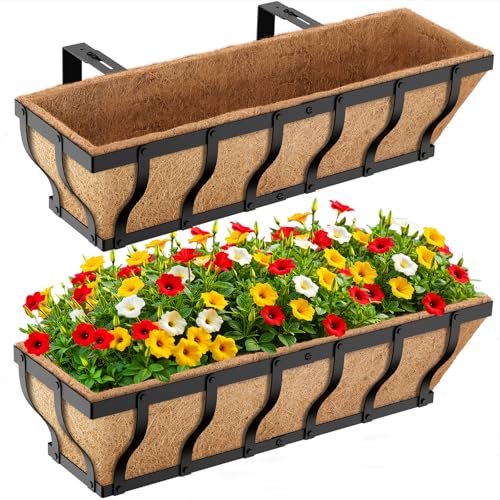
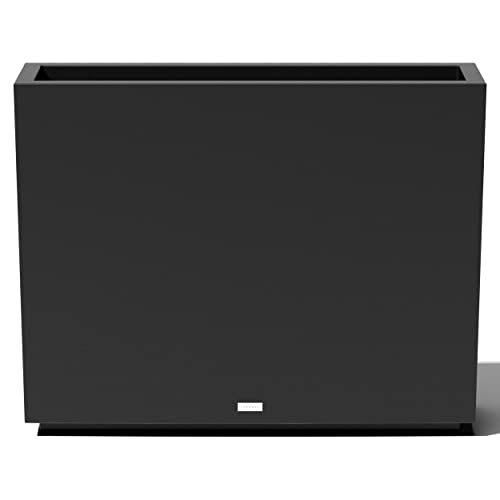
Deck Planter Guide: Choosing the Best Outdoor Planters for Your Deck
Transform your outdoor space with the right deck planters. Learn how to select materials, sizes, and styles that thrive on your deck while adding beauty and function to your backyard retreat.
Why Deck Planters Matter: A well-chosen deck planter does more than hold plants. It defines zones, adds privacy, softens hard edges, and brings life to your outdoor living area. Whether you are starting a container garden on a small balcony or framing a large deck, understanding planter construction and placement is the key to long-term success.
What Makes a Good Deck Planter?
Deck planters face unique challenges: wind exposure, temperature swings, weight distribution, and moisture management. A planter that works beautifully on a sheltered patio may underperform on an exposed deck. When evaluating options, focus on four pillars: material durability, drainage efficiency, weight management, and aesthetic integration with your existing deck furniture layout.
Material choice is the first decision. Resin and composite planters represent the entry-level and mid-range tiers, offering lightweight handling and weather resistance at accessible positions in the market. Wooden deck planters sit in the mid-tier and premium range, delivering natural warmth that pairs well with deck benches and timber railings. Metal planters, including powder-coated steel and aluminum, occupy the premium and luxury tiers, providing sharp architectural lines and exceptional longevity.
Deck Planter Materials Compared
| Tier | Material Type | Best For |
|---|---|---|
| Entry-level | Resin & plastic | Lightweight balcony containers and starter setups |
| Mid-range | Wood & composite | Natural deck integration and DIY-friendly builds |
| Premium | Powder-coated aluminum | Modern aesthetics and rust-proof performance |
| Luxury | Fiberstone & architectural concrete | Statement pieces and high-end commercial-grade installations |
Composite and resin planters are the workhorses of the deck container world. They resist UV fading, do not rot, and remain lightweight enough to reposition seasonally. Wood planters, particularly cedar and teak, offer a natural patina that complements wooden decking and deck chairs. However, they require periodic sealing to prevent moisture damage. Metal planters bring contemporaryfurniture styling to outdoor spaces, especially in modern or minimalist deck designs.
Sizing and Placement Strategies
Scale matters. An oversized planter on a narrow deck can feel oppressive, while undersized containers get lost in a large open space. As a rule of thumb, the planter height should reach at least one-third of the adjacent railing height for visual balance. For privacy screening, choose tall planters in the mid-tier or premium range paired with upright grasses or bamboo.
Placement should follow traffic flow and sun exposure. Corner planters anchor seating areas, while long rectangular planters can act as soft dividers between dining and lounging zones. If your deck includes a deck storage box or built-in seating, align planter rows to create visual continuity. On sunny exposures, self-watering planters reduce maintenance and keep soil moisture stable during heat waves.
Drainage and Weight Considerations
Proper drainage protects both your plants and your deck structure. Every deck planter should have drainage holes or a built-in reservoir system. Elevate planters slightly with pot feet or a saucer to prevent standing water from staining deck boards. For large containers, consider lightweight fillers such as perlite or packing peanuts at the base to reduce overall weight without sacrificing planting depth.
Weight distribution is especially important on elevated decks. Distribute heavy planters near load-bearing posts and avoid clustering them in one area. If you plan to grow vegetables or large shrubs, choose planters with reinforced walls and a stable, wide base. Matching planter style with your deck table and seating arrangement creates a cohesive outdoor room.
Seasonal Maintenance and Longevity
Deck planters benefit from seasonal care. In cold climates, empty porous planters before the first freeze to prevent cracking. Resin and metal planters can stay planted year-round in most regions, but wooden containers should be inspected for rot and resealed annually. During peak growing season, check drainage channels weekly and refresh mulch to retain moisture.
For year-round appeal, combine evergreen structure with seasonal color. A tiered arrangement—tall ornamental grasses in back, mid-height flowering perennials in the center, and trailing annuals at the front—works in almost any planter style. Pairing your planters with a deck umbrella or shade sail protects delicate blooms from scorching afternoon sun.
Matching Planters to Your Deck Style
Your deck planter should feel like a natural extension of your outdoor architecture. On rustic wood decks, cedar or weathered composite planters reinforce the natural theme. Contemporary decks with cable railings pair beautifully with matte black or graphite metal planters. Coastal-style decks benefit from whitewashed wood or light gray fiberstone containers.
If your deck includes a deck lounge chair or a cozy reading corner, place a low, wide planter nearby to define the relaxation zone. For entertaining areas, use matching planter pairs to frame entryways or flank a deck table and chairs set. Consistency in material and color ties the entire deck together without overwhelming the space.
Frequently Asked Questions
What is the best material for a deck planter?
Resin and composite planters are the most practical for most decks because they are lightweight, weather-resistant, and available across entry-level to premium tiers. Wood planters suit natural aesthetics but require more maintenance. Metal planters offer the sleekest look and the longest lifespan in the luxury tier.
How do I prevent water damage under my deck planter?
Use pot feet or a drainage saucer, and avoid placing planters directly against deck boards for long periods. Choose planters with raised drainage holes and check runoff paths after heavy rain. Rotating planters seasonally also prevents moisture concentration in one spot.
Can I grow vegetables in deck planters?
Yes. Choose planters at least 12 inches deep for herbs and leafy greens, and 18 inches or more for tomatoes and peppers. Self-watering planters in the mid-range tier are especially effective for edible container gardens on sunny decks.
How many planters should a deck have?
There is no fixed number. A balanced deck typically uses planters to mark corners, frame entryways, and soften seating boundaries. Start with two to four statement planters and add smaller accent containers as the layout evolves.