Dining Room Sets with a Bench Seat: Complete Buying Guide
Everything you need to know about bench seating dining sets — layouts, materials, comfort, and space planning — so you can choose with confidence.
Why bench seating works: A dining room set with a bench seat blends casual comfort with smart space use. Benches let you seat more people along one side, tuck neatly under the table, and create an inviting, family-style atmosphere. This guide walks you through the decisions that matter most before you buy.
What Defines a Dining Room Set with a Bench Seat?
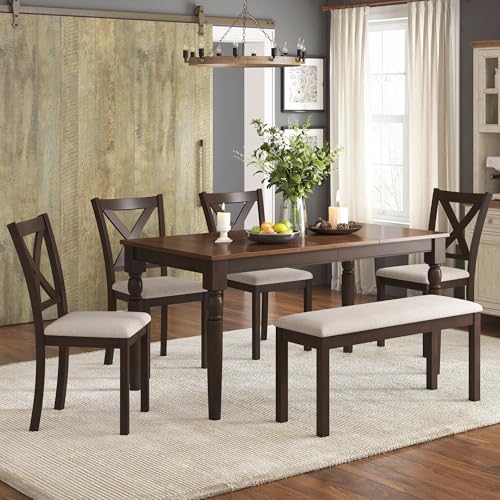
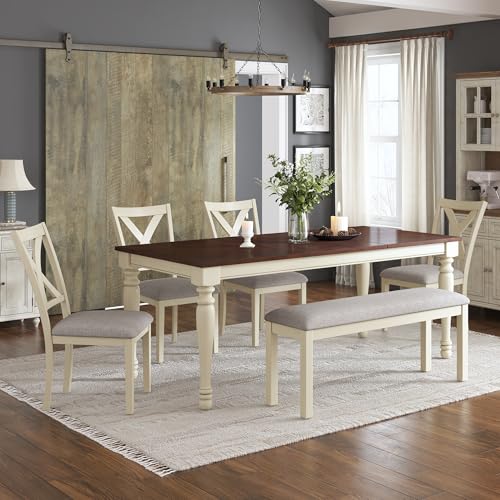
A dining room set with a bench seat replaces at least one side of traditional chairs with a bench. The most common configurations are a table with one bench and matching chairs, a table with benches on both long sides, or a corner bench paired with chairs on the open sides. Each layout changes how the room feels and how many people you can seat comfortably.
Bench seating is especially appealing in open-plan homes because it visually lowers the dining area and keeps sightlines clear. Backless benches disappear under the table when not in use, while benches with a back add a more anchored, furniture-like presence. Understanding these trade-offs early will narrow your options quickly.
Popular Bench Configurations
Table + One Bench + Chairs
The most versatile setup. One long bench along a wall or window side, with chairs on the opposite side and ends. Ideal for families who want a casual feel without giving up individual chairs.
Table + Two Benches
A symmetrical, communal layout that seats the most people per table length. Backless benches are easy to slide in and out, making this a strong choice for large households and frequent entertaining.
Corner Bench + Chairs
An L-shaped bench built into a corner maximizes dead space and creates a cozy banquette feel. Best for compact rooms or breakfast nooks where every square foot counts.
Bench with Back + Chairs
A bench with a backrest offers more support for long meals and reads as a more formal piece. It works well when the bench faces into the room rather than sitting against a wall.
Storage Bench + Chairs
A lift-top or drawer bench adds hidden storage for linens, games, or serving pieces. A practical pick for rooms without a nearby sideboard or buffet.
Extendable Table + Bench
An extendable table paired with a bench adapts to holiday crowds. The bench stays fixed while the table grows, so seating scales up without adding extra loose chairs.
Bench Styles and Comfort Levels
Bench style affects comfort, maintenance, and how the set fits your room. Consider how long your typical meals last and who uses the table daily before choosing.
- Backless benches: The most space-efficient option. They tuck fully under the table, work on both sides, and suit casual meals. Best for shorter sittings or households that value flexibility.
- Benches with a back: More supportive for long dinners and older guests. They take up more depth, so measure clearance from the table edge carefully.
- Upholstered benches: Add cushioning for comfort and a softer look. Choose performance fabrics that resist stains and are easy to wipe down.
- Corner and banquette benches: Built-in or freestanding L-shapes that use corner space. They feel cozy and are excellent for small rooms.
- Storage benches: Combine seating with hidden compartments. Useful in dining rooms that double as homework or hobby spaces.
Materials: What to Look For
Durability matters most in a dining set that gets daily use. The descriptors below help you compare construction quality without relying on numbers.
| Tier | Typical Construction | Best For |
|---|---|---|
| Entry-level | Engineered wood, thinner frames, basic finishes | Light use, occasional dining, starter homes |
| Mid-range | Solid wood or high-grade metal frames, reinforced joints | Daily family meals, balanced durability and design |
| Premium | Hardwood construction, premium materials, refined finishes | Frequent entertaining, long-term investment |
| Luxury | Commercial-grade joinery, designer upholstery, hand-finished details | Formal dining rooms, statement pieces |
Solid wood remains the benchmark for dining benches because it can be refinished and handles daily wear well. Metal frames with a rust-proof finish are a strong alternative for modern and industrial looks. Whichever material you choose, check that the bench weight capacity and joint construction match how many people will sit on it at once.
How to Size a Bench for Your Table
Bench length should roughly match the table side it sits against, minus a few inches so people can slide in easily. A general rule is to allow about 24 inches of bench length per adult. For a table that seats six, a bench along one long side typically seats two to three people comfortably.
- Leave 12 to 15 inches of knee clearance between the bench seat and the table apron.
- Backless benches need about 12 inches of tuck-under depth to clear the table edge.
- Benches with a back need more clearance behind them — measure wall distance before buying.
- For corner benches, confirm the L-shape fits your corner angle and does not block walkways.
If your room is tight, a dining table with a bench for small spaces is a practical starting point. If you have a larger footprint, an extendable dining table with bench and chairs gives you room to grow for holidays.
Matching the Set to Your Room and Style
The right bench set should feel intentional in your space, not like an afterthought. Start with the room's architecture: a bench against a window or wall works naturally, while a freestanding bench suits an island-style layout.
- Farmhouse style: A farmhouse dining table with bench and chairs pairs warm wood tones with a relaxed, lived-in feel.
- Modern style: Clean-lined metal or pale wood frames with backless benches keep the look minimal.
- Small spaces: A dining table with a bench on one side frees circulation space on the chair side.
- Family-friendly: A dining table set for 6 with a bench seats a full family without crowding the table.
- Corner layouts: A dining room corner bench turns an awkward corner into prime seating.
If you are weighing chair-only setups against bench seating, compare a dining room set with bench and chairs to a standard dining set with bench to see which layout fits your room's proportions.
Comfort and Practical Considerations
Bench seating is comfortable when it is sized and padded correctly. Consider these practical points before committing:
- Cushions: A thin cushion improves comfort without raising the seat height too much. Look for removable, washable covers in busy households.
- Entry and exit: Backless benches require sliding in, which is easy for children but harder for guests with mobility concerns. Mix benches with chairs to keep one side accessible.
- Weight distribution: Benches distribute weight evenly, but check that the frame is reinforced at the legs and center support for multiple sitters.
- Storage: A dining table with storage bench and chairs keeps the room clutter-free without a separate cabinet.
- Cleaning: Smooth finishes and tight upholstery are easier to wipe down than deep wood grain or loose cushions.
How Many People Will It Seat?
Bench sets can seat more people than chair-only sets of the same table length because benches allow flexible spacing. As a guide:
| Table Seating | Typical Bench Layout | Best For |
|---|---|---|
| 4 people | One bench + two chairs | Couples, small families, breakfast nooks |
| 6 people | One bench + four chairs, or two benches + two chairs | Families with children, casual dining rooms |
| 8 people | Two benches + four chairs | Frequent entertaining, larger dining rooms |
| 10 people | Corner bench + chairs, or two long benches | Holiday gatherings, open-plan dining areas |
If you expect to host often, look at a dining table set for 8 with a bench or a dining table with corner bench and chairs for maximum seat count in a defined footprint.
Assembly, Delivery, and Setup
Bench sets arrive flat-packed or partially assembled. Large tables and long benches are heavier and may need two people to position safely. Check whether the retailer offers room-of-choice delivery and assembly, especially for solid wood sets. Review our delivery and assembly guide before ordering so you know what to expect on arrival day.
Frequently Asked Questions
What is a dining room set with a bench seat?
A dining room set with a bench seat pairs a dining table with one or more benches instead of, or in addition to, traditional chairs. This layout maximizes seating along one side and creates a casual, family-friendly look.
How many people can sit on a dining bench?
A standard bench seats two to three adults comfortably. Longer benches on larger tables can seat three to four people, especially when they are backless and allow flexible spacing.
Is bench seating good for small dining rooms?
Yes. A backless bench can tuck under the table, freeing up floor space, and a corner bench uses dead corner space efficiently. This makes bench seating a strong choice for compact dining areas.
What materials are best for dining benches?
Solid wood and high-grade metal frames offer durable construction. Upholstered bench tops add comfort for longer meals. Choose finishes that match your table and match the wear level of your household.
Should I choose one bench or two?
Two benches seat the most people and suit large families, while one bench paired with chairs offers better accessibility and a more balanced look. For smaller rooms, one bench and chairs is usually the more practical choice.
Final Checklist Before You Buy
- Measure your room, table footprint, and clearance for bench entry and exit.
- Decide between backless, backed, upholstered, or storage bench styles.
- Match bench material to the table for a cohesive look.
- Confirm seat count per bench with the 24-inch-per-adult guideline.
- Check assembly and delivery requirements before ordering.
With these factors settled, you can choose a dining room set with a bench seat that fits your space, your family, and your long-term needs. Explore related configurations like a dining room table with bench and 4 chairs or a dining table and bench set to compare layouts side by side.
Explore Recommended Options →