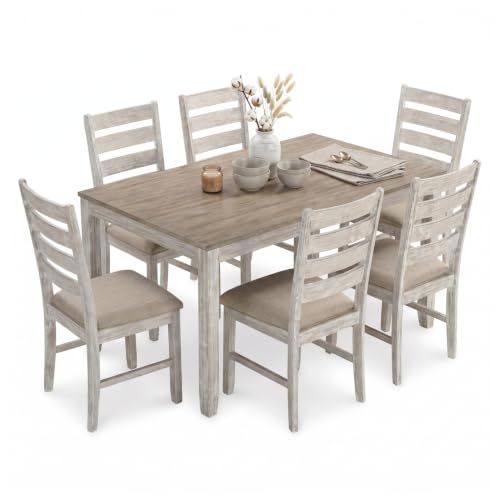
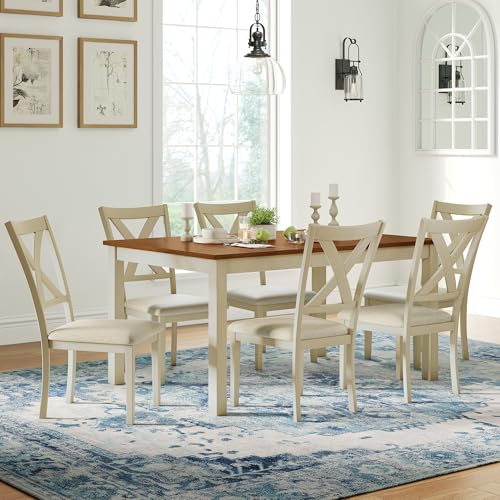
Dining Table with Chairs Set of 6: The Complete Buying Guide
A six-seat dining set is one of the most versatile investments for a home. This guide walks you through table dimensions, chair ergonomics, material choices, and layout planning so you can choose a set that fits your space and your lifestyle with confidence.
EXPLORE RECOMMENDED SETSWhy a set of six works for most homes: Six seats hit the sweet spot between everyday family dining and occasional entertaining. A well-chosen set accommodates daily meals, homework sessions, holiday gatherings, and weekend brunches without dominating the room. The key is matching table geometry, chair style, and material performance to how you actually live.
Sizing a Six-Seat Dining Set Correctly
The first decision is table geometry. A rectangular dining table with chairs set of 6 typically measures 60 to 72 inches in length and 36 to 40 inches in width. That range gives each diner roughly 24 inches of table edge, which is the accepted comfort minimum for place settings, elbows, and serving dishes. Round tables sized for six usually fall between 54 and 60 inches in diameter, distributing chairs evenly around the perimeter.
Beyond the tabletop, plan for circulation. Leave at least 36 inches between the table edge and any wall or nearby furniture so chairs can slide out and people can walk behind seated guests. In compact rooms, 30 inches is the practical floor, but anything tighter turns mealtime into a shuffle. If your space is genuinely tight, a dining table with bench for small spaces can reclaim several inches by eliminating chair backs on one side.
Also consider extendability. An extendable dining table with bench and chairs lets you start at six seats and expand for holidays without committing to a permanently large footprint. Measure the extended length plus chair pull-out zones before you buy — the difference between a comfortable room and a cramped one often comes down to those few extra inches.
Table Dimension Cheat Sheet
- Rectangular, six seats: 60–72 in length × 36–40 in width — two chairs per long side, one at each end.
- Round, six seats: 54–60 in diameter — chairs spaced evenly, no head-of-table hierarchy.
- Square, six seats: 48–60 in per side — works in open-plan rooms but can crowd narrow spaces.
- Oval, six seats: 66–72 in length — softens traffic flow in rectangular rooms.
- Clearance behind chairs: 36 in ideal, 30 in minimum.
- Table edge per diner: 24 in minimum for comfortable place settings.
Materials: Matching the Set to Your Environment
Material choice determines how a six-seat set ages, how much maintenance it demands, and whether it belongs indoors, outdoors, or both. For covered patios and sunrooms, powder-coated aluminum frames resist rust and stay light enough to rearrange. Teak and acacia bring natural warmth but need periodic sealing to hold their color. HDPE resin and all-weather wicker deliver low-maintenance durability for exposed decks.
Indoor sets follow different rules. Solid hardwood — oak, maple, walnut — offers heirloom longevity and refinishability. Engineered wood with quality veneer balances stability and appearance in humid climates. Upholstered chairs add comfort but require fabric that resists staining and fading. If you plan to use the set on a covered porch, an outdoor patio dining set built with marine-grade materials will outlast indoor furniture repurposed for the elements.
Material Tier Overview
Resin & Basic Metal
Lightweight HDPE and powder-coated steel suited to casual use and covered spaces. Solid choice for a starter home or a seasonal rental where the set sees moderate traffic.
Aluminum & Acacia
Rust-resistant aluminum frames paired with sealed acacia or eucalyptus tops. Well-specified for the category and a balanced option for year-round covered patios.
Teak & High-Grade Steel
Dense teak with tight grain and reinforced steel frames with multi-layer finishes. Heavy-duty construction that handles frequent entertaining and exposed conditions.
Solid Hardwood & Cast Aluminum
Flagship-tier hardwood dining tables and cast aluminum outdoor sets with hand-finished details. A long-term investment built for commercial-grade durability and daily use.
Chair Ergonomics and Seating Layouts
Chairs matter as much as the table. A six-seat set with uncomfortable chairs turns every meal into a countdown. Look for seat heights between 17 and 19 inches for standard dining tables (28 to 30 inches tall), and ensure the chair back supports the lumbar region rather than just the shoulders. Armless chairs slide under the table more easily and suit tight footprints; armed chairs offer more comfort for long dinners but need more clearance.
Seating arrangement affects flow too. Two chairs per long side plus one at each end is the classic layout for rectangular tables. A dining table with bench on one side swaps three chairs for a bench that seats two to three people, which saves space and creates a casual, family-friendly feel. If you prefer a mixed approach, a dining table with bench and chairs set balances bench seating on one side with individual chairs on the other.
For formal dining rooms, all-chair sets maintain visual symmetry and give every guest individual back support. For casual family kitchens, bench-and-chair combos encourage kids to slide in easily and free up floor space. If you already own a table and only need seating, a dining room chairs set of 4 with bench can retrofit an existing table into a six-seat arrangement.
Layout Options for Six-Seat Dining Sets
The right layout depends on room shape, traffic patterns, and how formal you want the space to feel. Below are the most common configurations and where each works best.
| Layout | Best For | Key Consideration |
|---|---|---|
| Rectangular table, 6 chairs | Formal dining rooms, narrow spaces | Two chairs per long side plus one at each end; needs 36 in clearance behind chairs |
| Round table, 6 chairs | Square rooms, conversation-focused dining | Even chair spacing; no head-of-table; slightly more floor depth needed |
| Bench on one side, 3–4 chairs | Casual family dining, compact kitchens | Saves floor space; bench should tuck under the table when not in use |
| Corner bench with chairs | Breakfast nooks, open-plan corners | Maximizes seating in awkward corners; fixed placement limits flexibility |
| Extendable table, 6 to 8 seats | Homes that host holidays and gatherings | Measure extended footprint plus chair pull-out before committing |
If your room has an awkward corner, a dining table with corner bench and chairs can turn dead space into seating. For open-plan layouts, an oval table with six chairs softens traffic flow between the kitchen and living area. And if you want a single coordinated purchase, a dining table with chairs and bench set bundles the table and mixed seating so proportions and finishes already match.
Six-Seat Dining Set Buying Checklist
Before you commit, run through these checks. They catch the issues that cause returns and buyer's remorse more often than any other factor.
- Measure the room, not just the table. Add 36 inches on every side for chair clearance and walkways.
- Verify seat height against table height. Standard dining tables are 28–30 inches tall; chairs should have 17–19 inch seat heights.
- Check the chair weight capacity. Heavy-duty frames rated for higher weights are worth prioritizing for multi-generational households.
- Confirm the table's edge profile. Rounded or beveled edges are safer in homes with young children.
- Review the finish warranty. Powder-coated finishes and sealed hardwood should carry multi-year coverage against peeling and fading.
- Plan delivery and assembly. Large sets ship in multiple boxes; check whether white-glove delivery and assembly is included or available.
- Think about storage. If the set lives outdoors, budget space for covers and cushion storage during off-season months.
Indoor vs. Outdoor Six-Seat Sets
Indoor and outdoor six-seat dining sets diverge in materials, joinery, and finish systems. Indoor tables prioritize appearance and comfort — solid hardwood, veneered engineered wood, upholstered chairs, and finishes designed for climate-controlled rooms. Outdoor sets prioritize weather resistance — aluminum or steel frames, HDPE or wicker seating, solution-dyed fabrics, and finishes that resist UV fading and moisture.
A common mistake is placing an indoor set on a covered patio. Humidity, temperature swings, and occasional rain exposure will eventually warp wood and break down upholstery. If you want the look of indoor dining outside, choose a set explicitly engineered for outdoor use, such as a dining table set for 6 with bench built with marine-grade materials. Conversely, outdoor furniture in a sunroom can work if the room is fully enclosed and climate-controlled.
For farmhouse-style interiors, a farmhouse dining table set for 6 with bench pairs a rustic table with bench seating for a relaxed, cohesive look. For transitional rooms, a dining table with bench and upholstered chairs mixes soft textiles with hard surfaces for visual balance.
Frequently Asked Questions
What size dining table comfortably seats six people?
A rectangular table measuring roughly 60 to 72 inches long and 36 to 40 inches wide comfortably seats six adults. Round tables with a diameter of 54 to 60 inches also work well. Allow about 24 inches of table edge per person and at least 36 inches of clearance behind chairs for walkways.
Is a rectangular or round dining table better for six seats?
Rectangular tables maximize seating in narrow rooms and suit formal layouts, while round tables encourage conversation and work well in square rooms or compact spaces. For six seats, a rectangular table offers predictable placement for two chairs per long side and one at each end; a round table distributes six chairs evenly around the perimeter.
Which materials are best for an outdoor six-seat dining set?
Powder-coated aluminum and high-grade steel resist rust and suit humid climates. Teak and acacia offer natural warmth when sealed regularly. HDPE resin and all-weather wicker deliver low-maintenance durability. Choose materials that match your climate and how much maintenance you're willing to do.
How much clearance is needed around a six-seat dining table?
Allow at least 36 inches between the table edge and walls or other furniture so chairs can slide out and people can walk behind seated guests. In tight spaces, 30 inches is the practical minimum, but 36 to 42 inches is more comfortable. Account for the chair pull-out zone when the table is extended.
Should I choose a six-seat set with a bench instead of all chairs?
A bench on one side can seat two to three people and saves space in tight rooms, while chairs on the opposite side offer back support. Bench-and-chair combinations work well for casual family dining, while all-chair sets provide consistent comfort and formality. Consider how often guests need individual seating adjustments.
Can I mix chairs from different sets with one table?
Yes, provided the seat heights match the table height and the visual styles share at least one common element — finish tone, leg shape, or material. Mixing intentionally can look curated, but mismatched proportions tend to look accidental. If you want a coordinated look without buying a full set, start with a table and add matching chairs in stages.
Ready to Compare Six-Seat Dining Sets?
Browse recommended dining table with chairs set of 6 options selected for durability, layout flexibility, and material quality. Each listing includes feature details to help you match a set to your space.
VIEW RECOMMENDED SETS