Outdoor Coolers: The Complete Buying Guide
Everything you need to know about choosing the right cooler for patio gatherings, backyard parties, and outdoor adventures. Compare types, insulation, ice retention, and key features before you decide.
EXPLORE THE GUIDEWhy outdoor coolers matter: A well-chosen cooler keeps drinks cold, food safe, and guests comfortable throughout your gathering. Whether you are hosting a summer barbecue on the patio or packing for a weekend trip, understanding cooler construction and capacity helps you pick a model that fits your routine.
Hard Coolers vs. Soft Coolers
The first decision most buyers face is whether to choose a rigid hard cooler or a flexible soft-sided cooler. Both designs serve distinct purposes, and many households benefit from owning one of each for different scenarios.
Hard Coolers
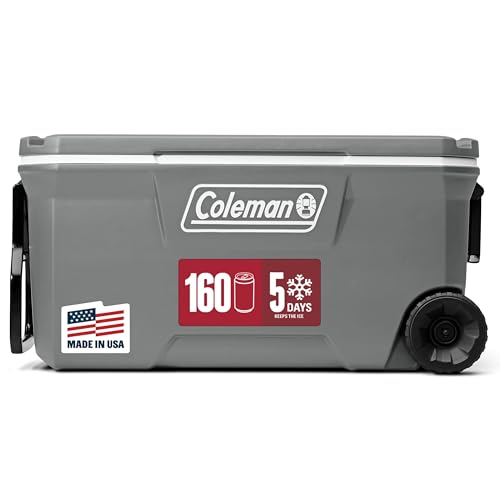
Molded plastic shells with thick foam insulation deliver excellent ice retention and rugged durability. They excel at multi-day trips, hot climates, and large gatherings. Wheeled models make transport easier, while heavy-duty latches and rubber gaskets keep cold air sealed in.
Soft Coolers
Lightweight insulated fabric bags with zippered lids are easy to carry, store, and pack into tight spaces. They suit short patio sessions, picnics, and day trips. High-end tier soft coolers now rival entry-level hard coolers in ice retention while remaining far more portable.
Wheeled Coolers
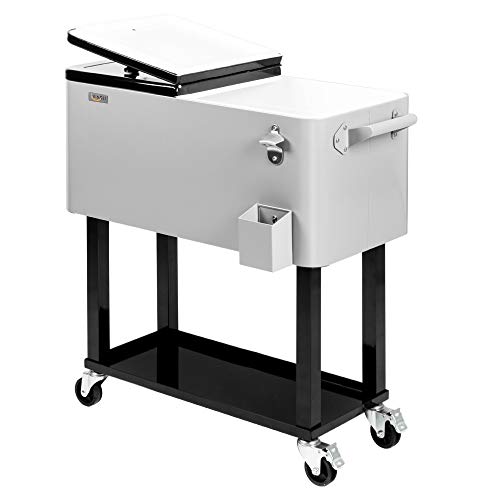
Large-capacity hard coolers with built-in wheels and telescoping handles move heavy loads without lifting. Ideal for family parties, beach days, and tailgating. Look for reinforced axles and all-terrain wheels if you plan to roll over grass or gravel.
Backpack & Tote Coolers
Soft-sided designs with shoulder straps or grab handles offer hands-free carrying. Backpack coolers distribute weight comfortably for hikes and festivals, while tote styles are perfect for quick trips from kitchen to patio.
Ice Retention and Market Tiers
Ice retention is the headline metric for any cooler, but it varies dramatically across market tiers. The table below outlines what to expect from each tier so you can match a cooler to your typical usage pattern.
| Tier | Typical Ice Retention | Best For | Key Characteristics |
|---|---|---|---|
| Entry-Level | Up to 1 day | Short patio gatherings, quick errands | Thinner insulation, basic latches, lighter build |
| Mid-Range | 1–3 days | Weekend trips, full-day parties | Thicker foam, rubber gaskets, sturdy handles |
| Premium | 3–5 days | Extended outings, hot climates | Pressure-injected insulation, heavy-duty latches, freezer-grade gaskets |
| High-End Tier | 5+ days | Multi-day expeditions, professional use | Commercial-grade construction, rotomolded shells, advanced insulation |
Key Buying Factors to Consider
Beyond type and tier, several practical details shape how a cooler performs in daily use. Evaluate these features against your typical gathering size and storage situation.
- Capacity: Match size to your guest count. Small soft coolers suit two to four people, mid-tier hard coolers handle four to eight, and large wheeled models cover bigger parties. A rough guideline is 1.5 to 2 quarts per person per day.
- Insulation quality: Thicker walls and pressure-injected foam improve retention. Rotomolded shells in the premium tier resist dents and hold cold air more effectively than thin blow-molded plastic.
- Sealing and latches: Rubber gaskets and heavy-duty latches prevent cold air from escaping. T-latches and rubberized draw latches typically outperform simple snap closures.
- Portability: Consider weight when empty, handle design, and whether wheels are needed. A cooler that is difficult to move may end up staying in the garage instead of on the patio.
- Drain plugs: A well-designed drain plug makes emptying melted ice easier. Look for threaded plugs with a wide opening and a leak-proof cap.
- Extras: Cup holders, cutting board inserts, and built-in bottle openers add convenience for entertaining. Some models offer dividers or baskets to separate food from drinks.
Choosing a Cooler for Patio Entertaining
For backyard gatherings, the cooler often becomes a social hub. Position it near seating and dining areas so guests can serve themselves without crossing the yard. A mid-range wheeled cooler with a drain plug and cup holders works well for most patios, while a premium hard cooler is worthwhile if you entertain frequently in hot weather.
If your patio doubles as a dining space, coordinate your cooler placement with your outdoor dining sets and outdoor conversation sets so the flow between seating and refreshments feels natural. For smaller balconies, a compact soft cooler paired with conversation sets for small spaces keeps the layout efficient.
Matching Coolers to Your Outdoor Layout
Consider how the cooler integrates with your existing furniture. A wheeled cooler can sit beside a patio couch or near a dining set with umbrella for shaded serving. If you host evening gatherings, placing the cooler near conversation sets with a fire pit table creates a natural refreshment station.
For decks with limited space, a deck box can double as seating while a soft cooler tucks underneath. Homeowners planning a full outdoor kitchen often pair a built-in cooler with outdoor dining furniture for a cohesive entertaining zone.
Cooler Care and Maintenance
Proper care extends the life of any cooler and keeps odors at bay. Follow these habits after every use:
- Empty and rinse the interior with mild soap and water, then dry thoroughly with the lid open.
- Clean drain plugs and gaskets to prevent mold and ensure a tight seal.
- Store in a dry, shaded location—prolonged direct sun can degrade plastic and insulation.
- For soft coolers, hand wash gently and air dry completely before zipping closed.
- Inspect latches and hinges periodically; replace worn parts to maintain performance.
If your cooler lives outdoors year-round, pair it with a breathable cover and keep it elevated off damp surfaces. For broader outdoor storage tips, explore our outdoor cushion storage and cushion storage box guides.
Frequently Asked Questions
What is the difference between hard and soft outdoor coolers?
Hard coolers use rigid molded insulation and excel at long ice retention, making them ideal for multi-day outings and hot climates. Soft coolers use flexible insulated fabric, are lighter and easier to carry, and suit short trips and casual patio gatherings.
How long can an outdoor cooler keep ice frozen?
Ice retention varies by tier and construction. Entry-level coolers typically hold ice for a day, mid-range models for one to three days, and premium high-end tier coolers can retain ice for several days when pre-chilled and kept closed.
What size outdoor cooler should I choose?
Match capacity to your gathering size. Small soft coolers suit two to four people, mid-tier hard coolers work for four to eight guests, and large wheeled coolers handle bigger parties and multi-day trips. Allow roughly 1.5 to 2 quarts per person per day.
Do outdoor coolers need special care?
Rinse after each use, dry thoroughly with the lid open, and store in a dry, shaded place. For hard coolers, check drain plugs and gaskets periodically. Soft coolers benefit from gentle hand washing and full air drying to prevent odor and mildew.