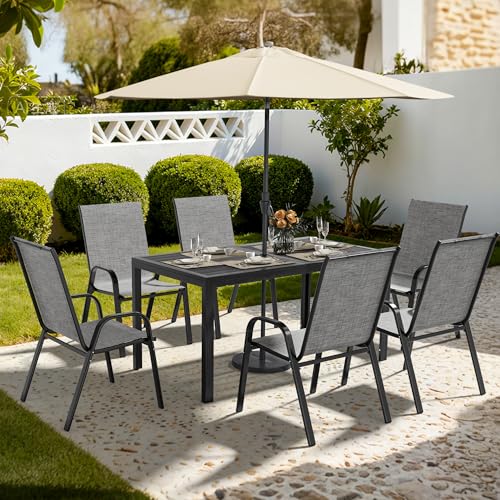
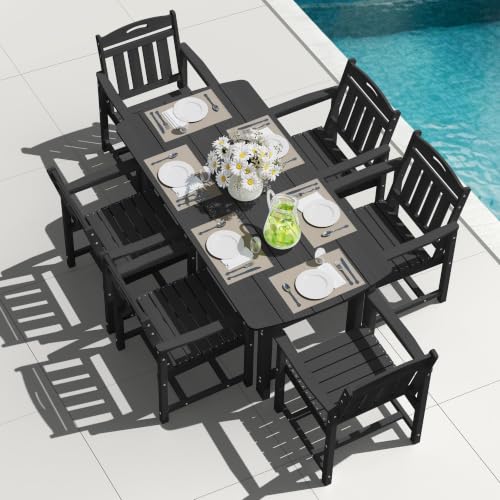
Outdoor Deck Table and Chairs with Umbrella: The Complete Guide
Everything you need to choose, size, and set up a deck dining set with umbrella — so every meal outside feels shaded, comfortable, and ready for guests.
Why a Deck Table Set with Umbrella Deserves Careful Planning
A deck dining set with an umbrella is more than furniture — it is the anchor of outdoor life. It is where coffee happens on a slow morning, where friends gather for dinner, and where kids do homework in the shade. Because a deck is often exposed to direct sun and open sky, the umbrella is not an accessory; it is the feature that makes the table usable on bright afternoons and protects diners and food alike.
This guide walks through the decisions that matter most: table shape and size for your deck footprint, frame and top materials, umbrella canopy and base types, chair comfort, and the small setup details that make a set feel built-in rather than dropped in. By the end, you will know exactly which configuration fits your space and how to buy with confidence.
How to Size a Deck Table and Chairs with Umbrella
The most common mistake is buying a table that looks right in a showroom but crowds a real deck. Start with the usable dimensions of your deck, then subtract walking clearance before choosing table size. A reliable rule: leave at least 36 inches between the table edge and any railing, wall, or grill so chairs can pull out and people can pass behind them.
Table size by seating capacity
| Seating | Recommended Shape | Typical Dimensions | Best For |
|---|---|---|---|
| 2 people | Round bistro | 24–30 in diameter | Small decks, balconies, morning coffee |
| 4 people | Round or square | 40–48 in diameter | Compact decks, casual family meals |
| 6 people | Rectangular | 60–72 in long | Most family decks, entertaining |
| 8 people | Rectangular or oval | 84–96 in long | Large decks, frequent hosting |
Round tables are efficient on compact decks because they eliminate corner clearance issues and let everyone reach the center. Rectangular tables seat more people per square foot and suit long, narrow decks. If your deck is tight on one side, consider an outdoor dining set for 4 with a round table — it often fits where a rectangular set will not.
Choosing the Right Materials for Deck Weather
Decks are exposed to sun, rain, and seasonal temperature swings, so material choice drives both longevity and day-to-day maintenance. The table below compares the main options by tier and character rather than by any numeric figure.
| Material | Market Position | Strengths | Watch-Outs |
|---|---|---|---|
| Powder-coated aluminum | Mid-tier | Rust-resistant, light, easy to move | Can dent; hollow frames vary in rigidity |
| Cast aluminum | High-end tier | Heavy-duty, ornate detailing, wind-stable | Heavier to reposition; surface can chip |
| Teak and hardwoods | Premium to luxury | Natural beauty, repairable, long-term investment | Needs periodic sealing or oiling |
| High-density resin | Essential to mid-tier | Weatherproof, low maintenance, UV-stable | Less premium feel; limited repair options |
| Glass or ceramic top on metal frame | Mid-range | Easy to wipe, reflective, modern look | Glass can scratch; ceramic can crack if struck |
For a deeper comparison of frame construction and finishes, the materials guide explains how coatings and joinery affect real-world durability. If you prefer the look of wood with the resilience of metal, a metal outdoor table that looks like wood is a strong compromise for exposed decks.
Chair materials and comfort
Chairs take more stress than tables because they flex every time someone sits. Look for reinforced joints, wide feet that spread load on deck boards, and stackable designs if storage is tight. Sling chairs dry quickly after rain; cushioned chairs feel plusher but need quick-dry foam and removable covers. If cushions are part of your plan, review the outdoor cushion guide before committing.
Umbrella Types, Canopies, and Bases
The umbrella is what turns a table into a shaded retreat, and it deserves as much thought as the furniture. Most deck sets are built around a center-pole umbrella that passes through a hole in the tabletop and into a base beneath.
Umbrella styles
- Market umbrella: The classic center-pole design with a crank and tilt. Best for round and square tables in open deck areas.
- Offset umbrella: The pole stands to the side with a cantilever arm, freeing the table center. Ideal when you want unobstructed seating or a rectangular table without a center hole.
- Half or wall umbrella: Mounts against a wall or railing and shades a partial area. Useful on narrow decks and balconies.
- Bistro umbrella: Smaller canopy for two-person sets. Compact and easy to reposition.
Canopy size and fabric
Match canopy diameter to table size: a canopy should overhang the table edge by roughly 12 to 18 inches on each side for real shade. Solution-dyed acrylic and coated polyester are the standard choices for fade resistance, and both handle seasonal rain well. Confirm that the fabric is rated for outdoor exposure and that seams are reinforced at stress points.
Base weight and stability
An umbrella is a sail in the wind, so the base is a safety component, not a cosmetic one. Choose a base rated for your canopy size, and prefer fillable bases that accept water or sand for extra mass on windy decks. On exposed sites, close or lower the umbrella whenever storms approach. A properly weighted base plus a tilt mechanism lets you angle shade through the day without repositioning the whole set.
Popular Configurations and How to Choose
Once size and materials are settled, the configuration determines how the set lives on your deck. These are the most common and proven layouts:
- Outdoor deck table and chairs with umbrella — the core configuration this guide covers; a balanced choice for most family decks.
- Outdoor bar table and chairs with umbrella — raised height for views and a more social, standing-friendly feel.
- Bar-height table with umbrella hole — same idea with a dedicated center hole for a tall market umbrella.
- Metal outdoor table and chairs with umbrella — a durable metal build for exposed decks.
- Dining table with umbrella hole and chairs — classic full-size dining setup for six.
- Dining sets for 6 with umbrella — a complete matching package if you prefer one purchase.
If your deck is long and narrow, an outdoor dining set in a rectangular layout makes better use of the footprint than a round one. For larger gatherings, an outdoor dining table and chairs for 8 keeps everyone at one table, while a dining table set with chairs and bench adds flexible seating and storage-friendly tucking.
Setup Tips for a Deck Dining Set That Feels Built-In
- Position for shade first. Place the table so the umbrella shades the table at the hours you actually use it, not just at noon.
- Leave a serving path. Keep one side of the table clear of chairs so food and drinks can move from kitchen to table without stepping around seats.
- Protect the deck surface. Use furniture pads under legs, especially on composite decking, and keep the umbrella base on a mat.
- Plan for weather. Choose covers sized to the set, or pick stackable chairs and a folding umbrella for quick storage before storms. A water-resistant outdoor storage cabinet nearby keeps cushions and covers out of the rain.
- Layer lighting and comfort. Add a string light or lantern plan above the table, and keep a small side table for drinks so the main tabletop stays clear.
When the set is in place, small upgrades make a big difference: a vintage wrought iron side table for drinks, a weather-resistant outdoor bench along the railing for overflow seating, and a waterproof outdoor furniture cover for the off-season.
Care and Maintenance for Long-Term Performance
A deck dining set with umbrella will last far longer with a simple seasonal routine. Wipe metal frames and tabletops with mild soap and water, rinse and dry after cleaning, and inspect joints and fasteners at the start of each season. Wood furniture benefits from periodic oiling or sealing per the manufacturer's guidance, and cushions should be stored or covered when not in use to prevent mildew. Umbrella canopies should be cleaned according to the fabric label and fully dried before closing to avoid trapped moisture.
During winter or extended disuse, remove cushions, close and cover the umbrella, and cover the table and chairs if your climate brings heavy snow or ice. Small preventive steps — tightening bolts, touching up chips on coated metal, and storing fabric dry — keep the set ready for the first warm weekend of the year.
Frequently Asked Questions
What size outdoor deck table and chairs with umbrella should I choose?
For two to four people, a round table around 40 to 48 inches across works well. For six diners, choose a rectangular table roughly 60 to 72 inches long. Always leave at least 36 inches of clearance around the table for chair pull-out and walking space.
What is the best material for a deck dining set with umbrella?
Powder-coated aluminum is the most balanced choice for most decks because it resists rust and stays relatively light. Teak and other hardwoods offer premium durability with natural beauty, while high-density resin is the most weatherproof and lowest-maintenance option.
How do I keep an umbrella table stable on a windy deck?
Use a weighted base rated for your umbrella canopy size, close the umbrella during high winds or storms, and consider a tilt-and-crank model that lets you angle the canopy rather than fighting the wind. A base filled with water or sand adds significant stability.
Can an umbrella table fit on a small deck?
Yes. Compact bistro-style sets with a 24 to 30 inch table and two chairs fit small decks well. Choose a market umbrella with a smaller canopy, or use a half-umbrella that mounts against a wall or railing to save space.
Final Checklist Before You Buy
- Measured deck footprint and confirmed 36-inch clearance on all usable sides.
- Chosen table shape and seating count for how you actually entertain.
- Selected a frame material suited to sun, rain, and salt exposure.
- Matched umbrella canopy size to table size, with a weighted base.
- Planned chair style for comfort, stacking, and quick drying.
- Decided on covers and storage before the first storm season.
With those decisions made, you can compare specific sets with confidence. Explore the full range of outdoor dining sets and matching umbrellas, and read the outdoor dining set buying guide for side-by-side feature comparisons before you finalize your deck layout.