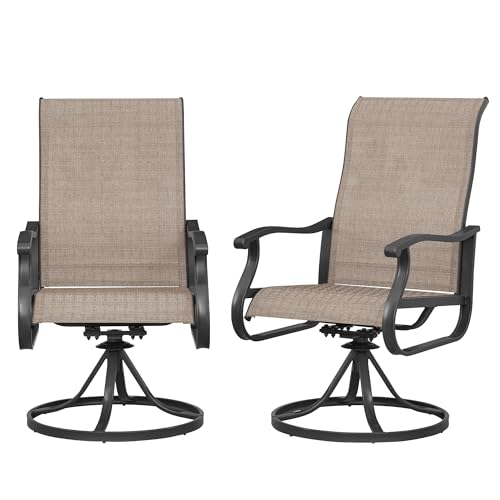
Outdoor Patio Chairs That Rock and Swivel: The Complete Guide
Two motions, one chair. Learn how rocking and swivel mechanisms work together, what materials hold up outdoors, and how to choose the right model for your patio, deck, or porch.
Start Your ResearchWhy this guide matters: A chair that both rocks and swivels combines two comfort features that are rarely engineered together. The result is a piece that lets you follow the conversation, turn toward the sunset, and settle into a gentle back-and-forth motion — all without getting up. This guide explains the mechanics, the materials, and the design trade-offs so you can choose with confidence.
What Makes a Rocking Swivel Chair Different?
Most patio chairs offer one of two motions. A standard patio chair is fixed in place, a rocker tilts back and forth on curved runners or a spring mechanism, and a swivel chair rotates in place. A chair that does both combines a rotation base with a rocking element — usually a spring-mounted seat plate, a curved rocker plate, or a pivoting cradle that sits above the swivel ring.
That dual mechanism is what makes these chairs so practical for outdoor living. Instead of standing up to turn toward a guest or reach a side table, you simply rotate. Instead of repositioning the chair to catch a breeze, you rock. For homeowners furnishing a complete outdoor living space, this is one of the most versatile seating categories available.
The engineering trade-off is real, though. Every additional motion point is a potential wear point, so build quality matters more here than on a simple fixed chair. Understanding how the motion is achieved — and which materials support it — is the core of making a smart selection.
How Rocking and Swivel Mechanisms Work Together
There are three common architectures for a rocking swivel chair, and each has a distinct feel and durability profile.
- Spring-mounted swivel base: A heavy steel or aluminum swivel ring sits at the bottom, and the seat connects to it through heavy-duty springs or a flexible plate. The swivel is smooth and continuous, while the rocking motion is soft and springy. This is the most common design in mid-range and premium outdoor seating.
- Rocker plate on a swivel ring: A curved rocker plate is mounted above the swivel mechanism. You get a more traditional rocking arc, similar to a classic rocking chair, but with full rotation underneath. These tend to feel more deliberate and are popular in wood-framed rocking designs.
- Cradle or glider conversion: Some chairs use a glider track that allows a horizontal back-and-forth motion combined with a swivel base. These are technically gliders rather than rockers, but they serve the same relaxation purpose and are worth considering alongside true rockers.
On better chairs, the swivel ring is supported by sealed bearings or a reinforced nylon ring rather than bare metal-on-metal contact. That detail determines whether the chair turns smoothly after a few seasons outdoors or develops a grinding, wobbly feel.
Materials That Hold Up Outdoors
A rocking swivel chair has moving parts, so the frame and mechanism materials matter more than on a static piece. The three main frame families each behave differently in weather.
Powder-Coated Aluminum
Lightweight, rust-resistant, and easy to reposition. High-grade aluminum with a powder-coated finish is the most common choice for swivel rockers because the frame stays stable while the mechanism does the work. Look for a thick coating and sealed joints.
Cast Aluminum
Heavier and more rigid than tubular aluminum, cast aluminum frames resist wobble and hold precision mechanisms well. Often found in premium and high-end tier seating, and frequently paired with decorative detailing.
Steel and Wrought Iron
Heavy-duty steel offers excellent stability but requires a rust-proof finish and periodic care. These frames suit permanent placements on covered porches and patios where they won't be moved often.
Wood and Wicker
Eucalyptus, teak, and all-weather wicker bring warmth and texture. Wood frames need sealant maintenance; resin wicker over an aluminum frame is the lowest-maintenance way to get a woven look with a swivel base.
Cushions are the other half of the equation. Outdoor foam should be quick-drying and covered in solution-dyed fabric with UV resistance. If you plan to leave the chair in direct sun, prioritize fade resistance over plushness. For replacement or upgrade options, see our guide to outdoor patio chair cushions.
Comparing Chair Tiers by Build and Use Case
The table below groups rocking swivel chairs by market tier and intended use. It focuses on construction and motion quality rather than any commercial figures, so it stays useful as a reference over time.
| Tier | Typical Frame & Mechanism | Motion Feel | Best For |
|---|---|---|---|
| Entry-level | Tubular aluminum or steel, simple spring plate, nylon swivel ring | Light rocking arc, basic rotation; may loosen over seasons | Occasional use, balconies, starter patio setups |
| Mid-range | Powder-coated aluminum, sealed bearing swivel, reinforced spring mount | Smoother, quieter rotation; consistent rocking tension | Everyday family use, covered patios, mixed seating groups |
| Premium | Cast aluminum or heavy-gauge steel, precision bearing ring, tuned spring rate | Fluid, balanced motion with minimal wobble | Primary seating, full outdoor living rooms, long-term use |
| Luxury / commercial-grade | Marine-grade hardware, sealed cartridge bearings, reinforced cradle design | Near-silent operation, tight tolerances, high cycle life | Hospitality settings, exposed locations, daily heavy use |
As a rule of thumb, a mid-range model typically offers a noticeably smoother swivel and more consistent rocking tension than an entry-level chair. Moving up to the premium tier mainly buys tighter tolerances and better hardware — improvements you feel most after a few seasons of weather and use.
Comfort and Ergonomics: What to Check Before You Commit
Because these chairs invite long sitting sessions, ergonomic details deserve real attention. The most common complaint about any swivel rocker is a seat height or back angle that doesn't suit the user, not a mechanical failure.
- Seat height: Aim for a seat that lets your feet rest flat on the ground with knees near a right angle. High-back and bar-height models exist, so match the chair to your table or conversation area. For coordinated dining seating, compare with high-top table and swivel chair sets.
- Back support: A gentle recline with lumbar support keeps the chair comfortable through an evening. Deep, low-back designs suit lounging; taller backs suit reading and conversation.
- Armrests: Fixed arms are sturdier for getting in and out; padded arms add comfort. On swivel rockers, arms should never interfere with the rotation range.
- Motion resistance: The rocking tension should feel controlled, not floppy. If you can tip the chair easily by hand, it will likely feel unstable when a heavier adult sits down.
- Weight capacity and stability: Check the rated capacity and the footprint of the base. A wide base with non-slip feet prevents tipping on smooth decking.
Where These Chairs Work Best on Your Property
The dual motion makes these chairs unusually flexible, but placement still shapes how much you'll use them. A few common scenarios:
Covered Patios and Porches
Ideal conditions. Protection from direct rain extends mechanism life, and the swivel makes it easy to face a fire pit, television, or garden view. Pair with an outdoor living room layout for a cohesive seating zone.
Around a Fire Pit
Swiveling toward the warmth and rocking while you talk is a natural fit. Choose a chair with a stable base and keep a safe distance from open flames. Our conversation sets with swivel chairs guide covers grouping options.
Balconies and Small Decks
A single rocking swivel chair can replace a fixed chair plus an ottoman. Look for compact footprints and lighter aluminum frames. See patio furniture for apartment balconies for space-planning tips.
Poolside and Exposed Decks
Direct sun and splash exposure demand UV-resistant fabric, rust-proof hardware, and quick-drying foam. Consider storage covers during off-season or heavy rain.
Planning tip: Leave at least two feet of clearance behind the chair so the rocking arc and rotation never bump into walls, railings, or planters. If you're building a full seating group, coordinate the footprint with your dining zone using our measurement guide.
Mixing Rocking Swivel Chairs With the Rest of Your Patio
These chairs are versatile group members. Two rockers facing a patio coffee table create a conversation nook; a pair flanking a patio fireplace makes an evening focal point. They also work as accent chairs beside a patio couch or a loveseat, adding motion to a mostly static seating arrangement.
If your patio already has a dining set, consider placing one or two rocking swivel chairs in a transition zone between dining and lounging. That middle ground is often the most-used spot on a patio, and the swivel motion makes it easy to join either activity.
For a fully coordinated look, browse broader patio furniture sets with swivel chairs or explore patio conversation sets to see how these chairs are grouped by designers.
Care and Maintenance for Long-Term Performance
Moving parts need a little attention. A simple seasonal routine keeps the rocking and swivel action smooth for years:
- Rinse the swivel ring and rocker plate with fresh water every few weeks to remove grit that accelerates wear.
- Apply a silicone-based lubricant to the swivel bearing or ring once per season — avoid heavy grease that attracts dust.
- Check bolts and fasteners at the start and end of the outdoor season; retighten as needed.
- Store cushions indoors during heavy rain or winter to protect foam and fabric.
- Touch up powder-coat chips promptly to prevent corrosion at the frame joints.
Our broader weatherproofing guide covers seasonal protection for all outdoor furniture, and the outdoor care section has detailed cleaning routines for metal, wood, and wicker.
Common Mistakes to Avoid
- Ignoring the surface underneath. A swivel base on soft grass or gravel will wobble. Use a hard, level surface or a patio mat.
- Choosing by look alone. A stylish chair with a loose spring plate will be uncomfortable within weeks. Test the motion in person whenever possible.
- Mismatched seat heights. A rocking swivel chair that sits too low next to a dining table is awkward. Match the chair height to its intended zone.
- Skipping the cover. Even rust-resistant hardware lasts longer when protected from standing water. A fitted cover is a low-effort safeguard.
- Overcrowding. The swivel radius needs clearance. A crowded arrangement defeats the purpose of the motion.
Frequently Asked Questions
What is the difference between a rocking chair and a rocking swivel chair?
A standard rocking chair moves only forward and backward on curved runners or a spring mechanism. A rocking swivel chair adds a rotation base underneath, so it rocks and turns independently. That extra range of motion makes it easier to follow conversations and change your view without standing up.
Are rocking swivel chairs stable enough for heavier adults?
Stability depends on the base design rather than the motion itself. Look for a wide, weighted base, a sealed bearing swivel ring, and a stated weight capacity that comfortably exceeds the user's weight. Premium and commercial-grade models generally have the tightest tolerances and least wobble.
Can these chairs stay outside all year?
Powder-coated aluminum, cast aluminum, and all-weather wicker frames are designed for year-round outdoor exposure. In regions with freezing winters, bring cushions inside and consider covering the frame. Steel and wood frames need more protection and periodic refinishing.
How do I stop the swivel mechanism from squeaking?
Squeaks usually come from grit in the bearing ring or dry metal-on-metal contact. Clean the ring with fresh water, let it dry, and apply a light silicone lubricant. If the noise persists, check whether fasteners have loosened and retighten them before considering a replacement part.
Do rocking swivel chairs work on a deck?
Yes, provided the deck is level and the chair has non-slip feet. A wide base distributes weight and reduces the chance of wobble between deck boards. Avoid placing the chair directly over a gap or loose board.
How many rocking swivel chairs should I buy for a conversation area?
Two chairs facing a low table is the classic arrangement. If the space allows, four chairs around a fire pit or coffee table creates a full circle. Mixing two rocking swivel chairs with a fixed sofa or loveseat balances motion with structure.
What cushion fabric is best for outdoor swivel rockers?
Solution-dyed acrylic or olefin fabrics with UV resistance are the most durable choices. Quick-drying foam cores prevent mildew after rain. Removable, washable covers make maintenance much easier.
If you're still deciding between motion types, browse our main outdoor patio chairs category or the dedicated chairs that swivel and rock collection for more options and comparisons.