Outdoor Table Top Replacement With Umbrella Hole: A Complete Buying Guide
Your patio table frame is still solid, but the surface has seen better days. Here is how to choose a replacement top with a properly sized umbrella hole that fits your base, suits your climate, and lasts for seasons to come.
Explore Replacement OptionsWhy replace just the top? A new surface restores the look of your entire patio setting and keeps a sturdy frame out of the waste stream. The key is matching the replacement top to your existing base and the umbrella you already own.
An outdoor table top replacement with umbrella hole is one of the smartest upgrades for a patio that still has good bones. Instead of replacing an entire dining set, you swap only the worn, cracked, or faded surface and keep the frame, legs, and hardware you already trust. The umbrella hole is the detail that matters most, because a top with a misaligned or undersized opening will not hold your shade securely.
This guide walks you through measuring your frame, choosing a hole diameter, comparing materials, and installing the new top safely. It also covers the practical questions buyers ask before ordering: whether the hole can be enlarged, how thickness affects umbrella stability, and what kind of care each surface needs.
Why a Dedicated Replacement Top Beats a Full Table Purchase
Patio frames are usually made from aluminum, steel, or cast iron, and these components outlast most tabletop surfaces by years. Glass can shatter from thermal shock or a dropped object. Wood can rot, warp, or develop splinters. Composite surfaces fade under harsh UV. When only the top fails, replacing the whole set is unnecessary.
A dedicated replacement top also gives you a chance to improve on the original. You can move from a basic entry-level surface to a mid-range or premium material with better scratch resistance and a more refined finish. If your existing top has a small umbrella opening that wobbles, you can choose a model with a reinforced collar around the hole for a more stable hold.
- Lower waste: keep the frame and legs that are still structurally sound.
- Better material choice: upgrade to tempered glass, heavy-duty aluminum, or composite.
- Style refresh: change the color or finish without buying chairs again.
- Faster setup: most replacement tops install in under an hour with basic tools.
If you are also rethinking the seating around the table, our guide to outdoor table and chairs combinations explains how surface size and chair clearance work together. And if shade is the main reason you are shopping, the broader outdoor shade solutions overview covers umbrellas, cantilever styles, and pergola alternatives.
Materials for a Replacement Table Top With Umbrella Hole
The material you choose determines how the top handles heat, rain, and daily use. Each option below is described by its position in the market rather than by any specific figure, so you can compare them on durability and care instead of being distracted by changing listings.
Tempered Glass
Tempered glass is the classic choice for round and oval patio tables. It is easy to wipe clean, resists stains, and reflects light in a way that keeps a patio feeling open. The trade-off is weight and breakage risk: glass tops are heavy, and they can crack if struck sharply or exposed to extreme temperature swings. Entry-level tempered glass is usually clear or lightly tinted, while premium versions add beveled edges and a thicker build. A glass top pairs naturally with a round glass table base if you are assembling a table from parts.
Aluminum and Steel
Metal tops are the heavy-duty option. Powder-coated aluminum resists rust well, while steel offers a more solid feel but needs a quality coating to avoid corrosion at the umbrella opening. These tops are common on commercial-grade patio furniture and hold up well in windy locations. Look for a reinforced ring around the umbrella hole, since that is where stress concentrates when the umbrella catches the wind.
Composite and HDPE
Composite and high-density polyethylene surfaces are weather-resistant and low-maintenance. They do not splinter, they tolerate sun exposure, and they can be molded with a wood-grain or matte texture. They are slightly heavier than aluminum and can be warmer to the touch in direct sun. For a family patio with kids and pets, composite is a balanced-tier choice that handles daily wear without fuss.
Wood and Bamboo
Wood tops bring warmth and a natural look, especially for rustic and farmhouse patios. Teak and acacia are the most common outdoor species because of their natural oils. Wood needs periodic sealing and should be stored or covered in harsh winters. Bamboo is an eco-friendly alternative but is best for covered porches where it will not sit in standing water.
| Material | Tier Positioning | Best For | Care Level |
|---|---|---|---|
| Tempered glass | Entry-level to premium | Clean, modern round tables | Low cleaning, handle with care |
| Powder-coated aluminum | Mid-range to commercial-grade | Windy patios, everyday dining | Low, wipe and rinse |
| Steel | Mid-tier to high-end tier | Heavy-duty and large tables | Moderate, inspect coating |
| Composite / HDPE | Balanced tier | Family patios, full sun | Low, soap and water |
| Teak / acacia wood | Premium to luxury | Rustic and coastal settings | Moderate, annual sealing |
If you prefer a glass surface but want to compare it against a full tempered replacement, our guide to an outdoor tempered glass table top replacement goes deeper into edge finishes and thickness. For stone-look alternatives, the outdoor stone table overview is a useful companion read.
Umbrella Hole Sizes and Fit
The umbrella hole is the single most important measurement. Standard patio tables use openings between 1.5 and 2 inches. Larger dining tables and commercial-grade frames sometimes use a 2.5-inch opening. Before ordering, measure your umbrella pole at its widest point, not just the base, and confirm the hole size on the new top matches.
- 1.5 inches: common on smaller bistro and cafe tables.
- 2 inches: the most common size for full-size patio dining tables.
- 2.5 inches: found on some heavy-duty and commercial-grade tables.
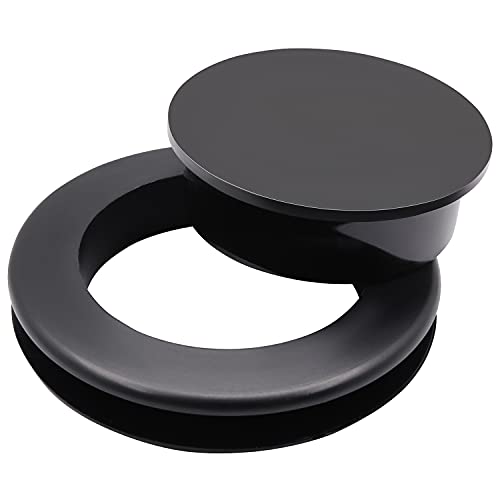
A top with a slightly larger hole is usually better than one that is too tight, because a snug fit traps grit and makes the umbrella hard to insert. Many replacement tops include a plastic or metal reducer ring to center narrower poles. If you already own a table with a different opening and want to compare options, see the guide to an outdoor table with a 2-inch umbrella hole.
Measure twice, order once
Write down four numbers before you shop: the top diameter (or length and width), the thickness of the old top, the umbrella hole diameter, and the distance between the mounting holes or brackets on your frame. Those four figures prevent nearly every fitment problem.
How to Measure Your Existing Table
Replacement tops are not universal. A top that is an inch too wide will overhang the frame and wobble; one that is too narrow will leave the frame edges exposed. Work through these steps with a tape measure and a notepad.
- Measure the top surface. For round tables, measure straight across the center for the diameter. For rectangular tables, measure the full length and width. Record both figures.
- Check the thickness. The old top's thickness matters because the frame brackets are sized for it. If the new top is much thicker, the mounting hardware may not clamp securely.
- Measure the umbrella hole. Measure the inside diameter of the opening. If the old top is damaged around the hole, measure the intact metal collar instead.
- Inspect the mounting points. Note where the frame supports the top, whether there are screw holes, and how far apart they sit. Photograph the underside before removal.
- Check the umbrella clearance. With the umbrella in place, confirm the canopy clears the table edge and any nearby walls or railings.
If you are replacing the top on a set that came with chairs, our guide to outdoor table and chairs with an umbrella hole explains how table height and chair arm clearance interact with shade placement.
Installation and Safety Tips
Most replacement tops install with basic hand tools. Work on a flat, soft surface such as a moving blanket so the new surface is not scratched before it is mounted. Have a second person help with glass and steel tops, which are heavy and awkward to lift alone.
- Remove the umbrella before lifting the old top.
- Label the screws and brackets as you take them off.
- Clean the frame and inspect for rust or loose welds before installing the new top.
- Seat the umbrella hole over the umbrella sleeve or pole holder before tightening the brackets.
- Check that the top sits flush and does not rock. If it rocks, re-check the mounting points rather than forcing the screws.
- Use a weighted umbrella base so the table does not tip in gusty conditions.
Wind is the most common cause of umbrella-related table damage. A quality outdoor umbrella holder and a properly weighted base reduce strain on the hole and the tabletop. If your frame allows, a patio umbrella base rated for your canopy size is the simplest safety upgrade.
Matching the New Top to Your Existing Furniture
A replacement top is a chance to refresh the whole setting without starting over. If your chairs are neutral, a darker composite or powder-coated top grounds the space. If your frame is dark aluminum, glass keeps the look light and airy. For small patios, a round top with a centered umbrella hole uses space more efficiently than a rectangular top of the same width.
Our guides to small round tables with two chairs and table and chair sets for a small deck show how surface shape changes traffic flow. For a larger gathering space, tables and chairs for six people explains seating clearance around longer tops.
You can also treat the replacement as a styling moment. A new neutral top makes it easier to layer outdoor table decor and swap cushion colors seasonally. If your chairs are due for an upgrade too, an outdoor swivel dining chair set with cushions pairs well with a refreshed tabletop.
Care and Longevity by Surface Type
Every surface benefits from a simple routine: wipe spills promptly, keep the umbrella hole clear of debris, and cover the table during long stretches of bad weather. Beyond that, care differs by material.
- Glass: use a non-abrasive cleaner and a soft cloth. Avoid dragging rough objects across the surface, and do not place hot cookware directly on the glass.
- Powder-coated metal: rinse with mild soap and water. Touch up any chips promptly to prevent corrosion spreading from the umbrella opening.
- Composite: soap and water are usually enough. For stubborn marks, a soft brush works without dulling the finish.
- Wood: reapply a weather-resistant sealant annually, and store or cover the top during freezing winters.
Seasonal maintenance makes a real difference. Our weatherproofing guide covers protective coatings and covers, and the furniture cleaner overview helps you pick a product that will not damage your new finish.
Common Mistakes to Avoid
- Ignoring frame compatibility. A beautiful top that does not align with your brackets is unusable.
- Choosing a hole that is too small. A tight opening traps grit and can crack glass under pressure.
- Skipping the umbrella base. The top alone does not stabilize a canopy in wind.
- Mixing surface and frame styles carelessly. A rustic wood top on a sleek metal frame can look mismatched.
- Forgetting winter storage. Even weather-resistant tops last longer when covered or stored during the off-season.
Related Guides to Explore
Frequently Asked Questions
Can I enlarge the umbrella hole on a replacement top?
Enlarging a hole in tempered glass is not safe and is generally not possible after tempering. Metal and composite tops can sometimes be modified with the right tools, but doing so may void the warranty. The safer approach is to order the correct hole size from the start or use a reducer ring for a narrower pole.
Will a replacement top fit my existing frame from a different brand?
It can, but only if the diameter and mounting points match. Measure the frame carefully and compare it with the specifications of the replacement top. Universal-fit tops exist, but they still rely on accurate diameter and thickness measurements.
How do I keep the umbrella from wobbling in the hole?
Use a reducer ring if the pole is narrower than the opening, keep the umbrella base weighted, and tighten any collar or sleeve that came with the table. In windy areas, close the umbrella when it is not in use.
Which top is best for a sunny, exposed patio?
Composite, HDPE, and powder-coated aluminum handle prolonged sun exposure best. Glass is fine but can become hot to the touch, and wood needs regular sealing in strong sun.
Can I use a replacement top on a folding or bistro table?
Yes, if the folding mechanism supports a top of the same size and thickness. Check that the top does not interfere with the folding action before finalizing the order.