Portable Hammock Chair: Your Complete Buying Guide
Enjoy suspended comfort anywhere — from campsites and balconies to backyard trees. Learn how to pick a portable hammock chair that fits your space, style, and relaxation goals.
Explore Top PicksWhy a portable hammock chair? Unlike fixed swings or bulky loungers, a portable hammock chair packs into a carry bag and sets up in minutes. It gives you the gentle motion of a hammock with the upright comfort of a chair — ideal for reading, lounging, and camping. This guide breaks down materials, hanging systems, comfort features, and safety so you can buy with confidence.
What to Expect from a Portable Hammock Chair
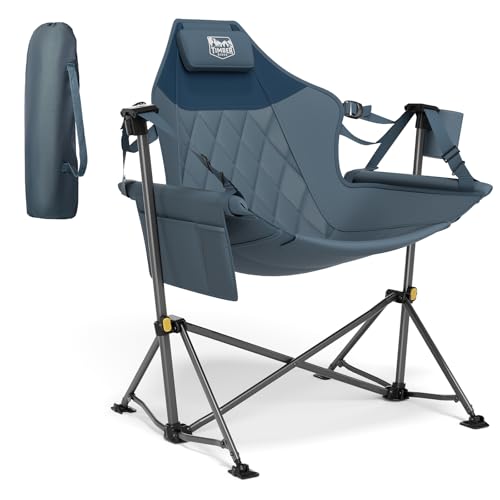
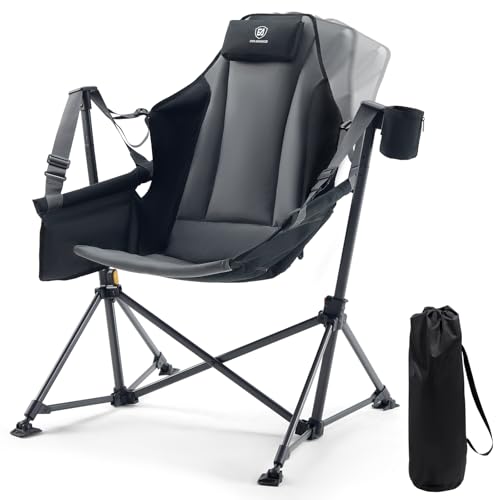
Portable hammock chairs combine a fabric seat, spreader bar or gathered ends, and suspension ropes or straps. Most models weigh under 10 pounds and fold into a compact carry bag. The best designs balance packability with comfort: a wider seat and reinforced stitching make long lounging sessions far more enjoyable.
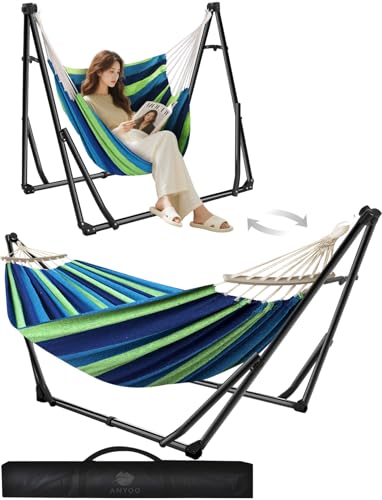
If you plan to use the chair on a patio, a porch swing chair offers a fixed alternative, while a portable hammock with stand suits full-body lounging. A hammock chair is the right choice when you want upright, swing-style seating that travels well.
Key Features That Matter
Fabric & Durability
Polyester and solution-dyed acrylic resist fading and moisture better than cotton. Look for reinforced stitching and tear-resistant webbing at stress points.
Suspension System
Chains, ropes, and carabiners vary in quality. High-grade steel hardware and UV-resistant straps add safety and longevity, especially for outdoor use.
Spreader Bar
A wooden or powder-coated steel spreader bar keeps the seat open. Detachable bars improve packability for camping and travel.
Portability
Weigh the trade-off between a roomier seat and a lighter carry bag. Entry-level travel chairs are ultralight; mid-range and premium models add padding and larger seats.
Weight Capacity
Check the rated capacity and hardware limits. Reinforced models with high-grade steel carabiners offer more headroom for comfort and safety.
Weather Resistance
Mold-resistant fabrics and rust-proof finishes extend outdoor life. Store the chair indoors during storms and off-season to protect the fabric and hardware.
Compare Tiers: Entry-Level to Premium
Instead of focusing on numbers, compare how each tier performs in real use. The table below uses universal quality descriptors to help you match a chair to your needs.
| Tier | Best For | Typical Strengths | Trade-offs |
|---|---|---|---|
| Entry-level / Starter tier | Occasional camping, travel, quick relaxation | Lightweight, compact, simple setup | Basic fabric, smaller seat, minimal padding |
| Mid-range / Balanced tier | Regular backyard and patio use | Wider seat, reinforced stitching, better hardware | Slightly heavier and bulkier to pack |
| Premium / High-end tier | Frequent outdoor lounging, long sessions | Premium materials, padded seat, rust-proof hardware | Larger packed size, requires sturdier anchor |
| Luxury / Flagship tier | Dedicated relaxation spaces, design-focused patios | Designer fabrics, extra-wide seats, precision stitching | Heavier build, best suited to semi-permanent setups |
Buying Checklist Before You Decide
- Measure your hanging space: height from anchor to floor, and clearance on all sides.
- Confirm the anchor point can support the chair plus the user, with a safety margin.
- Choose a fabric suited to your climate — polyester for sun and rain, cotton blends for covered patios.
- Decide between a chair-only model and one with a folding stand for flexibility.
- Check the carry bag size and weight if you plan to travel or camp.
- Look for rust-proof hardware and UV-resistant straps for outdoor use.
- Read owner reviews about comfort during long sessions and ease of setup.
If you want to compare seating styles, a portable chair may suit tailgating, while a portable folding rocking chair offers motion without suspension. For full-body comfort, consider a portable recliner chair or a portable zero gravity chair.
Hanging and Setup Tips
Most portable hammock chairs need a single strong overhead anchor. Tree branches, pergola beams, and ceiling joists are common options. Use a tree strap to protect bark and a carabiner to simplify attachment. If you don't have a suitable anchor, choose a model with a folding stand — these setups work on decks, balconies, and even indoors.
Set the chair so the seat bottom sits about knee height when empty. This makes it easy to sit down and stand up. Keep at least two feet of clearance on all sides to avoid bumping walls or furniture. For patio-based relaxation, a porch swing or porch glider offers a fixed alternative, while a porch rocking chair delivers gentle motion without hanging hardware.
Care and Maintenance
Extend the life of your hammock chair with simple habits. Shake out sand and debris after each use, and spot-clean with mild soap and water. Avoid harsh chemicals that break down fabric coatings. Bring the chair indoors during storms or long periods of disuse. Inspect ropes, straps, and carabiners regularly for fraying or rust, and replace worn hardware promptly.
If you enjoy lounging poolside, a pool lounger or pool chaise lounge complements a hammock chair setup. For shading your relaxation spot, browse pool umbrella bases and portable umbrella stands to keep the area comfortable.
Safety Considerations
Always hang your chair from a structural anchor rated for the load. Never attach to a weak branch, railing, or decorative beam. Check that carabiners are locked and straps are not twisted. Keep children supervised, and follow the manufacturer's weight guidelines. If you're unsure about an anchor point, consult a professional or choose a stand-based model.
Frequently Asked Questions
What is a portable hammock chair best used for?
It's ideal for camping, road trips, small patios, balconies, and backyard relaxation. Its lightweight build and compact packability make it easy to move between indoor and outdoor spaces.
Do portable hammock chairs require a stand?
Some models include a folding stand, while others need a tree branch, beam, or existing anchor point. If you lack a suitable anchor, choose a model with a portable stand for maximum flexibility.
What weight capacity should I look for?
Look for a chair rated above your body weight with a safety margin. Mid-range and premium models typically list reinforced weight capacities and use high-grade hardware for added security.
Can portable hammock chairs be left outside?
Weather resistance varies by material. Polyester and solution-dyed fabrics handle sun and rain better than cotton. Even so, bring the chair indoors during severe weather to extend its lifespan.