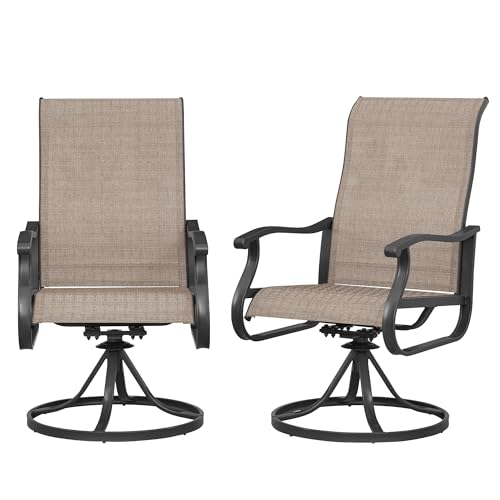
Swivel Rocker Outdoor Chairs: The Complete Buying Guide
Everything you need to know about motion seating for your patio, deck, or porch — from materials and mechanics to comfort and layout.
EXPLORE TOP PICKSWhy swivel rockers? A swivel rocker outdoor chair combines two motions in one seat: a smooth side-to-side swivel and a gentle front-to-back rocking motion. This dual-action design makes them a favorite for patios, decks, and porches where you want to relax, converse easily, and enjoy the view without constantly repositioning your chair. If you are researching motion seating for the first time, this guide will walk you through every decision point so you can choose with confidence.
What Makes a Swivel Rocker Different?
Not all outdoor chairs move. A standard patio chair stays fixed, while a glider slides forward and back on a track, and a rocker tilts on curved runners. A swivel rocker goes further by combining a rotating base (usually a full 360-degree swivel) with a rocking mechanism. The result is a chair that lets you turn to face the conversation, the fire pit, or the sunset — and then lean back into a gentle rock without getting up.
This dual motion is especially valuable on smaller patios where you cannot rearrange furniture constantly, and on decks where you want flexible sightlines. Many homeowners who start with a fixed swivel patio chair later upgrade to a rocker model once they experience the added comfort. If you are comparing motion types more broadly, our guide to swivel outdoor seating covers the full spectrum of rotating designs.
Key Features to Evaluate Before You Buy
Motion Mechanism
The swivel base and rocking arc should feel smooth and controlled, not wobbly or stiff. Entry-level models often use a simple bearing ring, while mid-range and premium chairs add sealed bearings, tension adjustments, or a locking swivel. Test the motion in person when possible, and look for a rocking arc that does not tip the seat too far backward.
Frame Material & Durability
Powder-coated aluminum and high-grade steel are the most weather-resistant frame choices. Resin wicker over a metal frame offers a traditional look with good resilience. Solid teak and other hardwoods deliver a premium feel but require periodic sealing. Whatever the material, check for rust-proof finishes and reinforced joints at the swivel and rocker pivots.
Comfort & Cushioning
Look for quick-dry foam and solution-dyed acrylic fabrics that resist fading and mildew. A higher back and contoured seat improve long-sitting comfort. Removable, washable cushion covers are a practical bonus. If you already own outdoor seating, replacement cushions can extend its life — see our guide to sofa replacement cushions for outdoor furniture for fabric and fit tips.
Weight Capacity & Stability
Check the stated weight capacity and the footprint of the base. A wider base distributes weight better and reduces tipping risk, especially on uneven deck boards. Heavy-duty models with a reinforced rocker assembly are the safest choice for larger users or windy, exposed locations.
Space Requirements
A swivel rocker needs clearance behind and beside it to rock and rotate freely. Allow at least 12–18 inches behind the chair for the rocking arc and enough side room for the swivel. On tight balconies, consider compact space-saving furniture designs or a set of two chairs rather than a full lounge arrangement.
Maintenance & Storage
Aluminum and resin frames need only occasional washing. Wood frames benefit from annual sealing. Cushions should be brought in or covered during off-season months. A quality patio cover and proper weatherproofing routine will keep the swivel mechanism free of grit and the fabric looking fresh for years.
Frame Materials at a Glance
The table below compares the most common frame materials for swivel rocker outdoor chairs. Use the "Tier" column to understand the relative market position of each option — not as a reflection of any specific product listing.
| Material | Tier | Best For | Key Consideration |
|---|---|---|---|
| Powder-Coated Aluminum | Entry-level to mid-range | Humid climates, coastal patios | Lightweight, rust-resistant, easy to move |
| High-Grade Steel | Mid-range to premium | Windy decks, heavy use | Very sturdy; requires rust-proof finish checks |
| Resin Wicker over Metal | Mid-range | Traditional and transitional styles | Comfortable look; inspect weave tightness |
| Solid Teak / Hardwood | Premium to luxury | Covered porches, elegant patios | Long-term investment; needs periodic sealing |
| HDPE / Poly Lumber | Mid-tier | Low-maintenance family patios | Weather-proof and colorfast; heavier feel |
How to Choose the Right Set for Your Space
Swivel rockers are sold individually, in pairs, and in larger sets. Your choice depends on how you use the space:
- Conversation-focused patio: Two to four swivel rockers arranged around a low table or fire feature. The swivel motion lets everyone turn toward each other naturally.
- Fire pit lounge: Pair rockers with a table that has a fire element in the center — a table with a fire pit in the middle keeps the layout compact and social.
- Deck or balcony: Choose a set of two compact rockers plus a small side table. Consider a swivel rocker patio chairs set of 4 only if you have generous square footage.
- Mixed seating plan: Combine rockers with stationary seating such as a swivel chair lounge piece or a bench to vary the seating experience.
- Poolside: Look for quick-dry cushions and rust-proof frames; swivel rockers work well next to sun loungers for a layered lounging zone.
If you are also furnishing a dining area, keep the scale consistent: a solid wood dining table set with bench can anchor the dining zone while swivel rockers form a separate lounge pocket. For smaller footprints, a square outdoor table pairs neatly with two rockers. And don't overlook shade — a solar outdoor umbrella can make your rocker setup usable even on bright afternoons.
Motion & Comfort Checklist
Before finalizing any purchase, run through this practical checklist. It reflects what experienced outdoor furniture buyers look for in a quality swivel rocker:
- Smooth swivel: The seat should rotate easily through a full turn without catching or grinding.
- Controlled rock: The rocking motion should feel stable, with a gentle arc — not a deep, tippy tilt.
- Locking option: Some mid-range and premium models include a swivel lock for stability when getting in and out.
- Reinforced pivots: Heavy-duty hardware at the swivel ring and rocker arms is a sign of durable construction.
- Breathable cushions: Quick-dry foam and mesh-backed fabrics prevent trapped moisture and mildew.
- UV-resistant fabric: Solution-dyed acrylic or olefin holds color far better than untreated polyester.
- Non-marking feet: Rubber or plastic glides protect deck boards and patio tiles.
- Weight and portability: Aluminum frames are easier to reposition; steel and wood are more stationary.
Styling & Placement Ideas
Swivel rockers are versatile style chameleons. A pair in resin wicker suits a rustic farmhouse patio, while sleek aluminum models fit a modern patio aesthetic. For a coastal look, choose light-colored cushions and pair the chairs with string lights overhead. If you want a natural, earthy feel, teak or wood-toned frames work beautifully alongside outdoor planters and a stone garden bench.
Placement tip: angle the chairs slightly toward each other rather than in a straight line. Because they swivel, you can always turn outward to enjoy the view — but the initial angle invites conversation. On a porch, a pair of rockers flanking the front door creates a welcoming front porch decor moment. On a deck, position them near the rail with enough rear clearance to rock safely.
Keeping Your Swivel Rockers in Top Shape
A swivel rocker has moving parts, so maintenance matters more than with a fixed chair. Rinse the swivel ring and rocker pivots periodically to remove sand and grit. Lubricate metal-to-metal contact points with a silicone spray (not oil, which attracts dust). Store or cover cushions during heavy rain and off-season months. For wood frames, apply a fresh coat of sealant annually. If your chairs live in a coastal environment, rinse the frames monthly to prevent salt buildup.
Cushion care is equally important. Rotate cushions to distribute wear, spot-clean with mild soap, and allow them to air-dry completely before replacing them. If your current cushions are past their prime, replacement options can breathe new life into the frame — see our related guide on storage containers for patio furniture cushions for off-season protection ideas.
Common Mistakes to Avoid
- Ignoring clearance: Buying a rocker that cannot fully rotate because a wall or table is too close.
- Overlooking weight limits: Assuming all rockers handle the same capacity — always check the spec sheet.
- Skimping on cushions: Thin, non-breathable cushions degrade quickly and reduce comfort.
- Skipping the material match: Choosing a frame that clashes with existing furniture or the climate.
- Forgetting maintenance: Letting grit accumulate in the swivel mechanism until it grinds.
- Buying too many at once: Start with two, live with the layout, then add more if space allows.
Frequently Asked Questions
What is the difference between a swivel rocker and a glider?
A swivel rocker rotates side-to-side and rocks front-to-back on a fixed base. A glider slides forward and back on a track and usually does not swivel. Some modern chairs combine both motions. If turning to face different directions matters to you, a swivel rocker is the better fit.
Do swivel rockers work on a wooden deck?
Yes, as long as the base is wide enough to distribute weight and the feet are non-marking. Avoid placing a rocker near the edge of a raised deck, and check that the rocking arc does not extend past a rail. A rug can protect the deck surface and reduce noise.
How much clearance do I need behind a swivel rocker?
Plan for at least 12–18 inches behind the chair so the rocking motion is not blocked. Side clearance of about a foot allows the swivel to turn freely. On tight balconies, look for compact models with a smaller rocking arc.
Are swivel rockers suitable for all climates?
Aluminum and HDPE frames perform well in humid, coastal, and rainy climates. Steel requires a rust-proof finish. Wood needs sealing. In snowy regions, bring cushions indoors and cover the frames during winter. No outdoor chair is entirely maintenance-free, but material choice makes a big difference.
Can I replace the cushions on a swivel rocker?
Most mid-range and premium models use standard cushion shapes that can be replaced. Measure the seat and back dimensions and choose quick-dry, UV-resistant replacements. A fresh set of cushions is one of the simplest ways to refresh an older frame.
How many swivel rockers should I buy for a small patio?
Two is usually the sweet spot for a small patio or balcony. A pair plus a small side table creates a complete conversation zone without crowding the space. Add more only if you have generous clearance for rotation and rocking.
Ready to Upgrade Your Patio Seating?
Explore our curated selection of swivel rocker outdoor chairs and find the right motion, material, and comfort level for your space.
View Recommended ModelsContinue Exploring
If you are building out your outdoor space, these related guides may help: compare splurge vs save outdoor choices, plan a small patio layout, or browse swivel glider recliners for another motion-seating option. For a complete seating refresh, our swivel rocker patio chairs overview covers additional models and configurations.