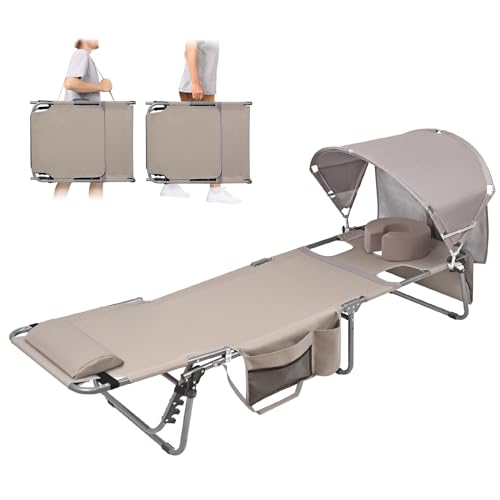
Lounge Chairs for Laying Out in the Sun
Everything you need to choose a sun lounger that reclines fully, dries quickly, and supports comfortable tanning sessions all season long. Compare designs, materials, and features before you decide.
Explore Buying FactorsWhy this guide matters: A lounge chair built for sunbathing is not the same as a decorative accent chair. You need a flat recline, a breathable surface, and a frame that survives heat and moisture. This guide breaks down the design choices that actually affect comfort when you lie back, so you can compare options with confidence.
What Defines a True Sun Lounger
A sun lounger is engineered around one primary posture: lying flat or nearly flat for extended periods. That single requirement drives nearly every design decision, from the hinge mechanism to the fabric tension. Casual patio chairs are built for upright conversation, so their backrests rarely recline beyond a slight tilt. A dedicated sun lounger, by contrast, offers a long seat deck, a multi-position backrest, and often a raised leg section.
When you shop, focus on these four structural elements: the recline range, the frame material, the seat surface, and the portability or storage profile. Each one influences how the chair performs during long sunbathing sessions and how well it holds up across seasons. If you are still comparing the broader category, our lounge chairs overview covers styles beyond sunbathing, while the pages on loungers and lounger chair designs help you separate reclining formats from fixed seating.
Main Types of Lounge Chairs for Sunbathing
Adjustable Chaise Lounge
The most common sunbathing format. A hinged backrest locks into several positions, including fully flat. Mid-range models usually add a raised leg rest for a zero-gravity feel. Best for decks, patios, and pool surrounds where the chair stays in one place.
Low-Profile Sun Lounger
Seat height sits closer to the ground, which makes the chair feel more like a beach bed. These designs emphasize a long, continuous flat surface and are ideal for tanning without a raised head position. Often built with slatted or mesh surfaces for airflow.
Folding and Portable Loungers
Lightweight frames that fold flat for storage or transport. Popular for renters, small balconies, and beach trips. Entry-level folding models recline in fewer positions, while premium folding loungers add padded surfaces and smoother hinges.
Poolside Loungers
Designed for wet environments with quick-drying mesh or sling seats and rust-resistant frames. Many include wheels and a side table or cup holder. If you want a chair that can handle splashes daily, this is the category to prioritize.
Double Sun Loungers
Two connected reclining seats with independent backrests, often sharing a small central tray. A good fit for couples who want to lounge side by side without buying two separate chairs. These take up more footprint, so measure your space first.
Cushioned Chaise Lounges
Padded seats with solution-dyed acrylic or olefin upholstery. Cushioned loungers feel plusher for reading and napping, but they need proper drying and storage. High-end tier versions use quick-dry foam that resists mildew better than standard padding.
Sun Lounger Comparison by Tier and Best Use
The table below maps common lounge chair formats to their market tier and the setting they suit best. Use it to narrow your shortlist before checking individual product pages.
| Lounge Type | Market Tier | Best For | Key Strength |
|---|---|---|---|
| Adjustable chaise lounge | Mid-range | Patio and poolside tanning | Multi-position backrest with flat recline |
| Low-profile sun lounger | Essential tier | Deck and lawn sunbathing | Long flat surface and low visual profile |
| Folding portable lounger | Starter tier | Small balconies and travel | Compact storage and easy transport |
| Poolside mesh lounger | Premium | Wet environments and spas | Quick-drying seat and rust-resistant frame |
| Double sun lounger | High-end tier | Couples and shared patios | Independent recline with shared tray |
| Cushioned chaise lounge | Luxury | Reading and napping outdoors | Plush padding with quick-dry foam |
Frame and Fabric Materials That Matter
Sun exposure and moisture are the two forces that wear out outdoor furniture fastest. A frame that resists rust and a seat surface that sheds water will determine how many seasons your lounger stays comfortable. Powder-coated aluminum is the most common choice for premium and mid-range loungers because it stays light while resisting corrosion. High-grade steel is heavier and very stable, but only when the coating is intact. Resin wicker wraps a metal frame and adds a woven texture that hides minor scuffs.
For the seat surface, sling and mesh fabrics dry quickly and stay cool in direct sun, which matters during long tanning sessions. Cushioned models use solution-dyed acrylic, a fabric that holds color under UV exposure far better than standard outdoor textiles. If you plan to leave the chair out in rain, prioritize drainage-friendly designs; the guide to the longest-lasting outdoor furniture materials explains how each option ages. Our material guide and outdoor materials reference go deeper into finish and care differences.
Recline Range, Hinges, and Support
The recline mechanism is the heart of a sun lounger. Entry-level models often offer three positions with a simple notched hinge. Mid-range loungers typically add five or more positions plus a smoother locking action, so you can fine-tune the angle instead of settling for the nearest setting. Premium and luxury tiers sometimes use a gas-strut or ratchet system that adjusts in small increments and holds firmly under body weight.
Also check the leg rest. A hinged leg section that lifts slightly reduces pressure behind the knees during flat tanning. Armrests should be wide enough to rest a book or a drink, and a slight contour in the seat surface helps keep you centered. If you want extra leg support, a lounge chair with ottoman pairing is a practical alternative, and our outdoor chaise lounge guide covers additional recline formats.
Quick Buying Checklist
- Recline range: Confirm the chair reaches a fully flat position and check how many intermediate angles are available.
- Frame coating: Look for powder-coated aluminum or a sealed steel frame with no exposed edges.
- Seat surface: Choose mesh or sling for hot days and quick drying; choose solution-dyed acrylic cushions for plush comfort.
- Weight and portability: A lighter lounger is easier to reposition, but heavier frames feel more stable in wind.
- Storage profile: Folding models save space in small patios and balconies; fixed models suit dedicated pool decks.
- Footprint: Measure your deck or lawn area so the chair can recline fully without hitting a wall or rail.
Placement and Pairing Ideas
Sun loungers work best when they face open sky and have clearance behind the backrest for a full recline. On a compact balcony, a folding lounger paired with a large box planter creates a green backdrop without crowding the floor. On a pool deck, place poolside loungers near a large outdoor umbrella so you can alternate between sun and shade. If your patio has a dining zone already, the matching patio dining and conversation sets guide helps keep the styles coordinated.
For shared spaces, a double lounger is more space-efficient than two separate chairs, and it pairs well with a large outdoor table for drinks and snacks. On open lawns, a low-profile lounger sits comfortably beside a lawn glider and other lawn furniture pieces. If you want a shaded tanning spot, combine the lounger with a large beach umbrella or a large patio umbrella angled toward the chair.
Related Guides for Sun Lounger Shoppers
If you are comparing tanning-specific formats, the tanning lounge chair guide covers posture and surface details, and the pool tanning ledge lounger guide explains in-water options. Readers considering a single larger recliner can explore the large lounge chair page, while the lounger bed and lounger sofa pages cover wider reclining formats. For indoor placement during colder months, see the indoor lounge chairs guide.
Frequently Asked Questions
What type of lounge chair is best for laying out in the sun?
A flat or multi-position adjustable chaise lounge with a full-length backrest is best for sunbathing because it lets you lie completely flat. Prioritize a reclining mechanism with at least four positions and a breathable, quick-drying seat fabric.
How many recline positions should a sun lounger have?
A minimum of four positions is ideal, including a fully flat setting. Mid-range and premium models usually offer five or more positions with a smoother locking mechanism, while entry-level loungers often provide three.
Can lounge chairs for laying out in the sun stay outside all year?
It depends on the frame and fabric. Powder-coated aluminum, high-grade steel, and resin wicker resist rust, while solution-dyed acrylic cushions handle UV exposure well. Even weather-resistant loungers benefit from a protective cover during harsh winters.
What is the difference between a chaise lounge and a sun lounger?
The terms are often used interchangeably. A chaise lounge typically refers to a long reclining seat with a backrest, while a sun lounger usually describes a lower, flat-profile design built specifically for tanning and sunbathing.
Ready to Choose Your Sun Lounger?
Use the comparison table and checklist above to shortlist the right tier and format for your patio. Then browse the recommended products below to compare features and availability.
View Recommended Loungers