Lounge Chairs That Can Go in the Pool: The Complete Buyer's Guide
Turn your tanning ledge and splash deck into the most relaxing spot of the backyard. Learn which in-pool loungers stay comfortable, resist water damage, and match your pool setup.
Start the GuideWhy in-pool lounge chairs deserve a closer look: If you have a sun shelf, tanning ledge, or shallow splash area, a standard patio lounger simply is not designed for submerged use. Water-safe loungers are built with drainage, quick-drying fabrics, and stable bases so you can sit half in the water and stay cool on the hottest afternoons. This guide walks you through the materials, styles, and practical checks that help you choose a model you will enjoy season after season.
What Are In-Pool Lounge Chairs?
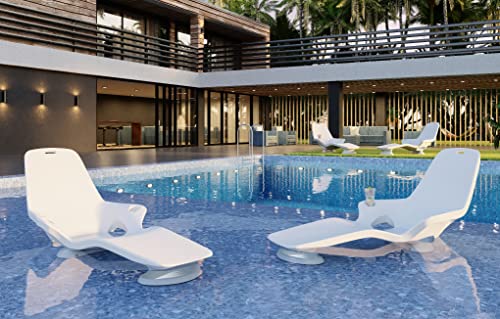
In-pool lounge chairs are a specialized category of outdoor seating designed to sit partially or fully inside shallow water. Unlike traditional lounge chairs that are meant for dry patios, these models use frames and fabrics that tolerate constant moisture without warping, rusting, or growing mildew. They are most commonly placed on tanning ledges, sun shelves, and splash decks where the water depth is usually a few inches to about a foot.
The best examples share a few core traits: an open frame that lets water drain quickly, a seat height that keeps your body at a comfortable angle relative to the waterline, and a base that stays stable on smooth pool surfaces. Because they are built for a wet environment, they also tend to be simpler in shape, with fewer upholstered seams where water could collect.
Quick distinction: In-pool loungers are not the same as floating pool chairs. Floating chairs drift freely and are meant for swimming areas. In-pool loungers stay in place on a ledge and provide seated support, similar to a tanning ledge chair.
Main Types of Pool Lounge Chairs
The category breaks down into a few practical styles. Each one suits a different pool layout and a different way of relaxing.
1. Tanning Ledge Loungers
These are the most common in-pool chairs. They sit on the sun shelf with a low profile, often with a reclined backrest and a molded seat. Many models are designed to be partially submerged so the water covers the lower half of the seat. They work best on ledges with a consistent depth and a smooth finish.
2. Splash Deck Chairs
Splash decks are shallow, beach-entry style areas. Chairs for this zone tend to have slightly taller legs and wider feet to handle gently sloped surfaces. They are a good match for families because they are easy to step in and out of.
3. Submersible Chaise Loungers
These look like a classic lounge chair for laying out in the sun, but with water-safe construction. They usually have an adjustable backrest and a frame that drains fast. They are a strong pick if you want one chair that works on the deck and on the ledge.
4. Weighted-Base Pool Loungers
Weighted bases use water or sand ballast to stay put in deeper ledge water. They are stable and resist tipping, which makes them a favorite for households with kids or guests who move around a lot. The trade-off is that they are heavier to reposition.
Materials That Survive Pool Water
The single most important buying decision is the material. Pool water, sunlight, and pool chemicals combine to break down ordinary outdoor furniture much faster than dry patio exposure. Here is how the main options compare.
High-Density Polyethylene (HDPE)
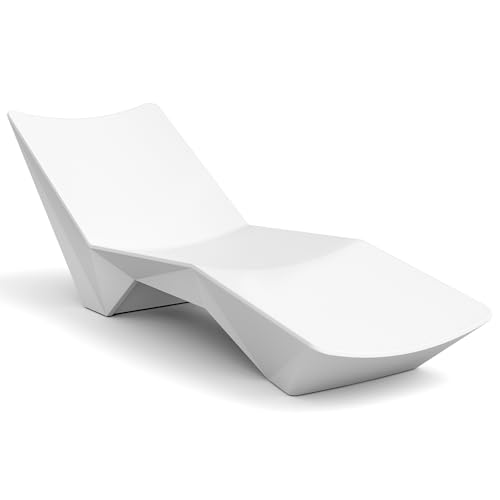
HDPE is a top-tier choice for in-pool use. It does not absorb water, resists chlorine and salt, and will not rot or splinter. It also handles UV exposure well. Many premium in-pool loungers use molded HDPE shells because they are comfortable without cushions and drain almost instantly.
Marine-Grade Aluminum
Aluminum frames with a powder-coated or anodized finish are lightweight and rust-resistant. This is the material to look for if you want a frame that stays easy to move. Check that the finish is described as marine-grade, since standard aluminum can still corrode over time in chlorinated water.
PVC and Vinyl-Coated Polyester
These are common in sling-style chairs and mesh seats. They dry fast and resist mildew when the mesh is open enough to let air and water pass through. The mid-range tier usually uses a heavier PVC coating that lasts longer than entry-level mesh.
Quick-Dry Mesh Fabrics
Some cushioned in-pool chairs use open-cell foam wrapped in a quick-dry mesh. These feel softer but need more care. Look for removable, washable covers and a foam that is specifically labeled for water use. This is where high-end tier models separate themselves from entry-level ones.
| Material | Water Resistance | Comfort Without Cushion | Best For |
|---|---|---|---|
| HDPE | Excellent | High | Tanning ledges, all-day lounging |
| Marine-Grade Aluminum | Very good | Moderate (needs sling or cushion) | Lightweight, movable chairs |
| PVC / Vinyl-Coated Polyester | Good | Moderate | Sling chairs, splash decks |
| Quick-Dry Mesh with Foam | Good with care | Very high | Guests who want a softer seat |
Quality Tiers: How to Compare Without Guesswork
Because in-pool loungers range widely in construction, it helps to think in tiers rather than in isolated features. Use this framework to match a chair to your expected use.
Entry-Level In-Pool Loungers
Basic molded shells or lightweight frames with simple sling seats. Good for occasional use on a tanning ledge. Expect simpler hardware and fewer adjustment points. A solid choice for the tier if you want to try in-pool seating for the first time.
Mid-Range Pool Chairs
Better drainage, smoother recline mechanisms, and more durable finishes than entry-level models. Mid-range chairs usually offer the best balance of comfort and longevity for regular family use.
Premium In-Pool Loungers
Heavy-duty HDPE shells, marine-grade hardware, and refined ergonomics. These models are built for daily use and tend to hold their shape and finish for many seasons. A worthwhile investment if the pool is a central part of your routine.
Buying Checklist: What to Verify Before You Choose
Before you commit to a model, run through these practical checks. They prevent the most common disappointments with in-pool seating.
- Measure your ledge depth first. Most in-pool loungers are designed for water depths between a few inches and about one foot. Check the manufacturer's recommended depth and confirm it matches your tanning ledge or splash deck.
- Confirm the chair is rated for submersion. Some outdoor chairs are water-resistant but not intended for standing water. Look for wording such as "pool-rated," "submersible," or "tanning ledge compatible."
- Check the base and feet. Smooth, rounded feet protect plaster and vinyl finishes. Weighted or ballasted bases add stability on slick pool surfaces.
- Review the drainage design. Open frames, mesh seats, and slotted shells let water drain fast and reduce mildew risk.
- Look at UV stability. Pool areas get intense sun. UV-stabilized materials resist fading and cracking far better than untreated plastics.
- Think about weight and portability. A heavier chair is more stable but harder to move for cleaning. Decide whether stability or easy repositioning matters more for your household.
- Plan for storage. Even pool-rated chairs last longer when they are rinsed and stored out of standing water during the off-season. A large deck box or a waterproof outdoor storage container keeps them protected.
- Match the style to your deck. In-pool loungers should feel like part of the same design family as your patio lounge chairs and surrounding outdoor lounge sets.
Placement Ideas for a Better Pool Experience
Where you place in-pool chairs matters as much as which ones you choose. A few simple layout choices make the whole area more comfortable.
Build a Tanning Ledge Lounge Zone
Pair two in-pool loungers on the sun shelf with a small side table on the deck. Add a large beach umbrella or a large outdoor umbrella nearby so you can switch between sun and shade without leaving the water.
Create a Splash Deck for Families
On a beach-entry splash deck, place lighter chairs with wide feet so they stay stable on the slope. Keep a large outdoor plastic storage container nearby for towels, goggles, and pool toys.
Blend With the Surrounding Patio
In-pool chairs work best when they echo the materials and colors of the rest of the outdoor space. If your pool deck connects to a lanai patio, choose finishes that complement the surrounding lounge furniture rather than compete with it.
Add Shade and Greenery
A large patio umbrella gives in-pool loungers a resort feel. A large box planter at the edge of the ledge adds greenery without crowding the water.
Care and Maintenance for Long-Term Use
In-pool chairs are low-maintenance, but a simple routine keeps them looking good and extends their service life.
- Rinse after every use. Fresh water removes chlorine, salt, and mineral residue before it can build up.
- Dry fully before storage. Standing water trapped in frames or foam can lead to mildew. Let chairs air-dry in the shade before storing them.
- Inspect hardware seasonally. Check bolts, straps, and adjustment mechanisms for looseness or corrosion.
- Clean with mild soap. Avoid harsh abrasives that can dull HDPE or scratch powder-coated aluminum.
- Store out of standing water in the off-season. A covered spot or a waterproof storage box keeps the chair ready for next season.
Frequently Asked Questions
What are lounge chairs that can go in the pool?
They are specially designed loungers built with water-safe frames and quick-drying materials so they can be partially or fully submerged in shallow pool areas like tanning ledges and splash decks.
Are in-pool lounge chairs safe for all pool surfaces?
Most are safe for plaster, vinyl, and fiberglass pools, but check for smooth feet or weighted bases to protect the pool finish and prevent tipping.
Can I use a standard patio lounger in the pool?
A standard lounger is built for dry use. Standing water can damage its frame, cushions, and hardware. Choose a model specifically rated for pool or tanning ledge use instead.
How do I maintain pool lounge chairs?
Rinse them with fresh water after each use, dry them fully before storage, and periodically inspect frames and straps for wear or mineral buildup.
Do in-pool loungers work in saltwater pools?
Many do, but look for models with marine-grade hardware and finishes rated for saltwater. Rinsing after each use is even more important in a saltwater pool.
Final Thoughts
Lounge chairs that can go in the pool are one of the most rewarding upgrades for a backyard with a tanning ledge or splash deck. They keep you cool, reduce the need to shuffle between water and deck, and turn a shallow shelf into a genuine relaxation zone. Focus on water-safe materials, stable bases, and a depth rating that matches your pool, and you will have a setup that looks great and holds up season after season.
If you are still mapping out the wider space, pair this guide with our lounge chair for tanning overview and our full lounge chair collection to build a cohesive poolside plan.