Loveseat Camping Chair: The Complete Two-Seat Buying Guide
Share the campfire, the view, and the conversation. Everything you need to know about choosing a comfortable, stable, and portable loveseat camping chair.
Why a loveseat camping chair deserves careful thought: A two-seat camping chair is a different engineering problem from a single lightweight camping chair. The frame must carry roughly double the load while staying stable on uneven ground, and the fabric must resist sagging across a wider span. This guide covers the practical decisions — frame type, load rating, seating width, and fold size — that separate a chair couples actually use from one that gets left in the garage.
What Exactly Is a Loveseat Camping Chair?
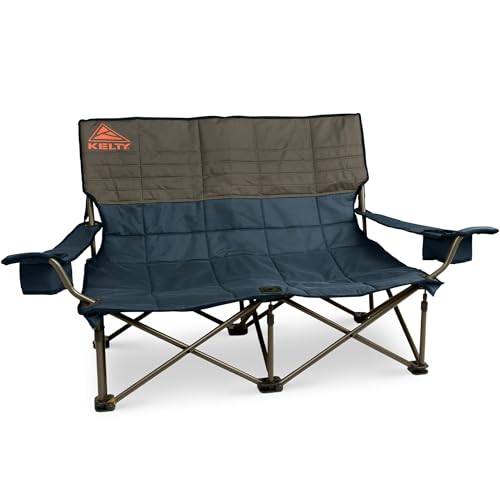
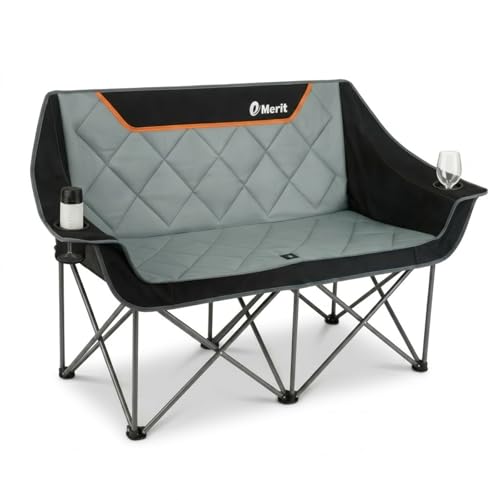
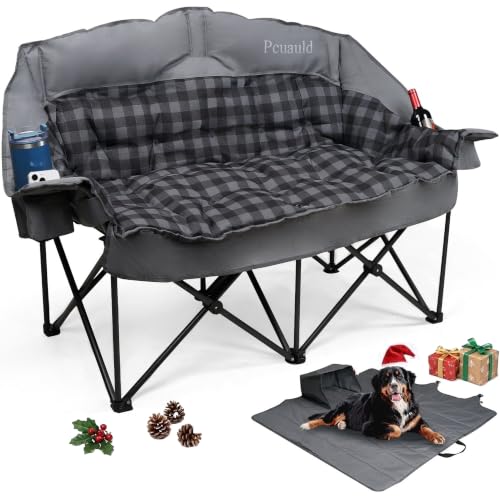
A loveseat camping chair is a portable, folding two-person seat built on a single reinforced frame. Unlike pushing two lightweight aluminium folding camping chairs together, a true loveseat design shares one structural chassis with a continuous or split seat surface spanning both occupants. That shared frame is what makes it more stable than two separate chairs and far easier to pack into a vehicle.
The category splits into two broad builds. A shared-seat loveseat uses one wide fabric panel across both positions — great for couples who want to sit close, but the fabric must be a heavier denier to avoid the dip that develops in the middle. A split-seat loveseat keeps two distinct seat cups on one frame, which reduces fabric stretch and lets each person adjust posture independently.
Most models sit in the mid-tier to high-end tier of portable camping furniture. Entry-level tier versions exist, but they typically use lighter tubing and thinner fabric — fine for occasional garden use, less suited to repeated packing and unpacking.
Types of Loveseat Camping Chairs by Use Case
Folding Loveseat for Car Camping
The most common build. It folds flat into a carry bag and suits campgrounds, tailgates, and festival sites where the chair is unpacked once and left standing for the weekend. Look for a reinforced cross-brace and wide feet so it does not sink into soft ground. If you also carry a small table setup, pairing it with lightweight folding camping tables and chairs keeps the campsite organized.
Loveseat with Cup Holders and Side Pockets
Many two-seat models build in dual cup holders and shared side pockets. These are genuinely useful at a campsite, but they add fold bulk. Check that the cup holder is molded into the armrest rather than stitched onto fabric — stitched versions sag once a full bottle sits in them. A camping chair with a cup holder in single-seat form is a good comparison point for how well a brand executes this feature.
Reclining Two-Seat Camping Chair
Reclining loveseats add a hinge mechanism to the backrest, letting both occupants lean back. The trade-off is weight and a more complex frame. These sit in the high-end tier and are best for relaxed car camping rather than hiking. If reclining matters to you, read how single-seat lightweight folding reclining camping chairs handle the mechanism — the same hinge quality expectations apply to the two-seat version.
Heavy-Duty Loveseat for Larger Users
Reinforced frames rated for higher individual loads are the commercial-grade end of the category. They typically use thicker steel or aluminium tubing, double stitching at stress points, and a wider stance. If one or both users need extra support, compare against a dedicated camping chair for heavier users to understand what reinforcement actually looks like in practice.
Loveseat-Style Chair for Patio and Garden
Some two-seat folding chairs are designed for home use rather than travel — a light alternative to a fixed loveseat with ottoman. These are usually heavier and not intended to be carried far, but they suit a balcony, a small deck, or a lanai patio where a portable seat is useful.
Frame, Fabric, and Load Rating: What to Check
Three components determine whether a loveseat camping chair holds up: the frame tubing, the fabric denier, and the joint construction. The table below maps the common builds to their typical use.
| Tier | Typical Build | Best For |
|---|---|---|
| Entry-level tier | Thin steel tubing, single-stitch fabric, basic cross-brace | Occasional garden and balcony use, light travel |
| Mid-range | Reinforced aluminium or powder-coated steel, double-stitched 600D fabric | Regular car camping, tailgates, weekend trips |
| High-end tier | Heavy-gauge aluminium, split-seat design, reinforced joints and wide feet | Frequent camping, larger users, long-term use |
On the frame, aluminium is lighter to carry while powder-coated steel is generally more rigid. For a two-person chair, rigidity matters more than on a single seat because the span is wider. Check that the leg assembly uses a locking cross-brace rather than a friction fit — friction joints loosen over time and are the first thing to fail on a loveseat chair.
On the fabric, 600D polyester is the practical baseline. Thinner fabric stretches across the wider seat span and develops a sagging center. If you are comparing materials across the broader category, our guide to the longest-lasting outdoor furniture materials gives useful context on UV and moisture resistance.
Load rating deserves attention. A two-seat chair is often rated per-seat, not total, so read the specification carefully. A chair rated for two moderate users is not the same as one rated for two larger users, even if the frame looks similar.
Portability, Fold Size, and Setup
A loveseat camping chair is inherently bulkier than a single seat, so fold size matters more than carry weight for most buyers. Check the folded length against your vehicle's trunk or cargo area before committing. Models that fold into a long narrow bag travel better in a sedan; models that fold into a compact cube suit a packed SUV.
Setup should take under a minute. The best designs use a scissor or hub mechanism that opens in one motion. Avoid chairs that require threading the fabric onto the frame each time — those designs are common at the entry-level tier and become frustrating after a few trips. If you carry a bag of gear, a folding camping chair in a bag format shows how compact a well-designed carry bag can be.
For campers who also bring shade, a lawn chair with canopy or a large beach umbrella pairs well with a loveseat chair at an open campsite. On a home patio, a large patio umbrella can shade the same chair between trips.
Stability and Safety on Uneven Ground
A two-person chair has a higher center of gravity when both seats are occupied, so the base geometry matters. Prioritize wide-set legs, a low center of gravity, and feet that are broad enough not to sink into grass or sand. On sloped ground, place the chair so the load leans slightly back into the slope rather than forward.
Check the following before use:
- Locking cross-brace: confirm it clicks into place and does not rely on friction alone.
- Armrest attachment: armrests on loveseat chairs take sideways load when two people sit; stitched-only armrests are a weak point.
- Weight distribution: if one occupant is significantly heavier, sit the heavier person toward the rear of the seat to reduce forward tipping risk.
- Ground surface: on soft ground, use wide foot caps or a small mat under the legs to spread load.
If the chair will live on a deck between trips, a large deck box or waterproof outdoor storage container keeps it dry and extends fabric life.
Care and Seasonal Maintenance
Loveseat camping chairs last longer with minimal care. Wipe the frame with a damp cloth after trips, dry the fabric fully before folding, and store the chair in its bag rather than leaving it set up outdoors for weeks. UV exposure is the main cause of fabric fading and seam failure, so a chair left on a sunny patio season after season will wear faster than one packed away between uses.
Inspect the stitching at the seat corners and armrest joints once a season. If you notice fraying, reinforce it before it becomes a tear. For a broader approach to protective care, see our weatherproofing guide and the general advice on outdoor care.
How It Compares to Other Outdoor Seating
A loveseat camping chair sits between a single portable seat and a fixed outdoor sofa. It is more social than a standard camping chair, more portable than a leather love seat, and more compact than a full lounge sofa bed. For campers who want a shared seat without the bulk of a bench, it is the practical middle option.
At home, the same chair can serve as a lightweight alternative to a large lounge chair on a balcony or a secondary seat near a large outdoor table. Buyers planning a permanent patio setup should compare it against fixed seating such as a loveseat with chaise, which offers more support but cannot be folded and moved.
Frequently Asked Questions
How much weight can a loveseat camping chair hold?
Load ratings vary by build. Entry-level tier chairs are typically rated for moderate individual loads, while mid-range and high-end tier models use reinforced tubing and double stitching to support larger users. Always check whether the rating is per seat or for the combined load.
Is a loveseat camping chair stable enough for two adults?
Yes, when the base is wide and the cross-brace locks firmly. Stability depends more on ground surface and leg geometry than on the seat span. On uneven ground, position the chair so the load leans slightly into the slope.
Can a loveseat camping chair be used on a patio?
It can, but it is designed as portable furniture. For regular patio use, a fixed loveseat or a dedicated outdoor sofa provides better long-term support and UV resistance. The camping chair is best treated as a movable secondary seat.
Do two-seat camping chairs fit in a car trunk?
Most fold flat or into a long carry bag that fits a standard trunk. Check the folded dimensions before buying, especially if you drive a compact car. Models that fold into a compact cube are easier to pack around other gear.
How do I clean a loveseat camping chair?
Wipe the frame with a damp cloth, spot-clean the fabric with mild soap and water, and let it dry completely before folding. Avoid machine washing, which can damage the coating and stitching.