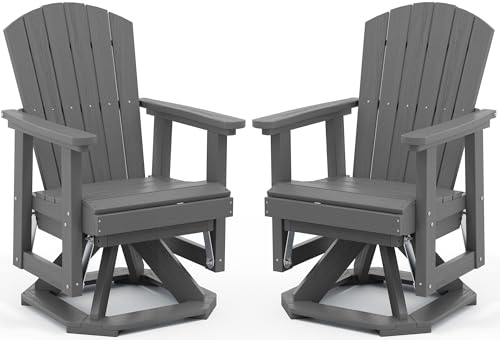
Outdoor Swivel Glider Chairs: The Complete Buying Guide
Discover how to choose the perfect swivel glider chair for your patio. Learn about motion mechanisms, frame materials, cushion quality, and the features that separate a good glider from a great one.
Explore Top PicksWhy swivel glider chairs matter: A swivel glider combines two distinct motions — a smooth gliding arc and a full 360-degree swivel — giving you flexibility to face the conversation, the fire pit, or the view without repositioning the chair. For homeowners researching this category, the challenge isn't finding options; it's understanding which build quality, mechanism, and material will actually hold up outdoors season after season. This guide walks through every decision point so you can buy with confidence.
What Exactly Is an Outdoor Swivel Glider Chair?
An outdoor swivel glider chair is a motion chair designed for patios, decks, and porches. It sits on a base that allows two movements: a gentle horizontal glide (forward and back, like a glider) and a swivel that rotates the seat in a full circle. The combination lets you rock or glide for relaxation, then pivot effortlessly to reach a side table, greet a guest, or turn toward the sunset.
Unlike a standard outdoor swing chair that hangs from a frame, a swivel glider sits on a fixed pedestal or flat base, making it more stable and easier to place on a deck. And unlike a basic outdoor swivel chair with no glide, the glider adds that soothing in-and-out motion that many people associate with comfort and relaxation. If you enjoy the gentle movement of a rocker but want the versatility of rotation, this hybrid category is worth serious consideration.
Key Features That Define a Quality Swivel Glider
360-Degree Swivel Base
A smooth, sealed swivel mechanism should rotate without wobble or grinding. Look for ball-bearing or nylon-bushing construction rated for outdoor humidity.
Glide Mechanism
The gliding track or arm system should travel smoothly with no metal-on-metal screech. Mid-range and premium models use sealed bearings and quiet nylon glides.
Weather-Resistant Frame
Aluminum, powder-coated steel, or all-weather wicker are the standard. Rust-proof finishes and UV-stabilized materials extend outdoor lifespan.
Cushion & Fabric Quality
Solution-dyed acrylic or olefin fabrics resist fading and mildew. Quick-dry foam keeps cushions from staying damp after rain showers.
Weight Capacity & Stability
A wide, low center of gravity prevents tipping. Reinforced seat decks and heavy-duty bases are hallmarks of a solid, safe build.
Footprint & Placement
Swivel gliders need clearance for rotation. Measure your deck or patio to ensure full 360-degree movement without hitting railings or walls.
Comparing Tiers: Entry-Level to Luxury Swivel Gliders
Rather than focusing on numbers, the smartest way to compare swivel glider chairs is by tier — how they are positioned in the market relative to one another. The table below uses a consistent classification system to help you understand what each tier typically delivers.
| Tier | Frame & Mechanism | Cushion & Fabric | Best For |
|---|---|---|---|
| Entry-Level | Steel or light aluminum frame; basic nylon glide tracks; standard swivel ring | Polyester fabric; standard foam fill | Casual seasonal use, covered porches, first-time buyers |
| Mid-Range | Powder-coated aluminum; sealed glide bearings; reinforced swivel base | Olefin or acrylic blend; higher-density foam | Year-round outdoor use, family patios, daily comfort |
| Premium | Heavy-duty aluminum or all-weather wicker; precision glide system; commercial-grade swivel | Solution-dyed acrylic; quick-dry reticulated foam | Full-sun exposure, coastal climates, design-focused patios |
| Luxury | Hand-welded aluminum or teak; custom glide tracks; self-lubricating swivel mechanism | Designer performance fabric; multi-layer cushion construction | High-end outdoor living spaces, long-term investment |
As a rule of thumb, moving up one tier generally delivers a smoother glide action, a more stable swivel, and better fabric longevity. The mid-tier is often the sweet spot for homeowners who want durability without stepping into flagship territory. If you're pairing your glider with a larger seating arrangement, you may also want to explore complementary outdoor swivel rockers for a cohesive motion-seating group.
Buying Checklist: What to Verify Before You Commit
- Measure your space: Confirm the chair's rotation diameter — typically 30 to 36 inches of clearance — so the swivel doesn't collide with walls, railings, or tables.
- Check the weight capacity: Look for a stated capacity that comfortably exceeds your needs; reinforced seat decks are a sign of sturdy construction.
- Test the glide and swivel feel: If shopping in person, glide the chair and rotate it fully. The motion should be smooth, quiet, and free of lateral wobble.
- Inspect the finish: Powder-coated or rust-proof finishes on metal frames resist corrosion far better than painted surfaces in humid climates.
- Evaluate cushion construction: Quick-dry foam and solution-dyed fabric prevent mildew and fading; removable, machine-washable covers are a practical bonus.
- Confirm assembly requirements: Most swivel gliders ship partially assembled; check whether tools are included and how many steps are involved.
- Plan for protection: A fitted cover or a weatherproof outdoor storage box for cushions will extend the life of your investment during off-season months.
Building a Coordinated Motion-Seating Group
Swivel glider chairs rarely live alone. They pair naturally with other motion pieces and complementary furniture to create a cohesive, comfortable outdoor lounge. If you're furnishing a full conversation area, consider how a glider fits alongside other seating types — a matching pair works beautifully flanking a side table, or as accent chairs opposite a sofa.
For a broader seating plan, browse complementary swivel chairs or a swivel dining chair with cushions if you're transitioning toward a dining setup. For a more traditional lounging feel, swivel rocking chairs with cushions offer a similar motion experience. And if you prefer to buy in pairs, a swivel rocking chair set of 2 can simplify matching.
Complementary Outdoor Seating & Furniture
- Outdoor Sofa
- Outdoor Sofas
- Outdoor Sectional with Waterproof Cushions
- Outdoor Sofa Set
- Outdoor Sofa with Chaise
- Outdoor Side Table
- Outdoor Side Tables
- Outdoor Swivel Bar Stools with Backs and Arms
- Outdoor Swivel Counter Stools with Backs
- Outdoor Swivel Bar Stools Set of 4
- Outdoor Throw Pillows
- Outdoor Sun Shade
Frame Materials Explained: Which Lasts Longest Outdoors?
Powder-Coated Aluminum
Aluminum is the most common frame material for outdoor swivel gliders because it's lightweight, naturally rust-resistant, and takes a powder-coated finish well. A quality powder coat resists chipping and UV fading. Mid-range and premium gliders typically use thicker gauge aluminum with welded joints rather than rivets, which translates to less flex and longer glide-track alignment over time.
Steel with Rust-Proof Finish
Steel frames offer excellent rigidity and weight capacity, which is why entry-level and some mid-range gliders use them. The catch is corrosion: any scratch that breaches the coating can become a rust point. Look for galvanized or heavily powder-coated steel, and inspect the frame annually. Steel gliders tend to be heavier, which can be an advantage for stability but a consideration if you plan to move the chair often.
All-Weather Wicker and Rattan
Wicker-wrapped frames give swivel gliders a warm, traditional look. High-quality all-weather wicker is made from UV-stabilized synthetic resin over an aluminum frame, and it holds up well in sun and rain. Lower-quality wicker can become brittle and crack after a few seasons. If the woven texture is a priority, choose a premium or luxury-tier wicker glider from a brand with a proven outdoor track record.
Teak and Hardwood
Teak is naturally weather-resistant thanks to its oils, and it ages gracefully to a silver-grey patina. Wooden swivel gliders are typically found in premium and luxury tiers. They require occasional oiling if you want to maintain the original honey tone, and the swivel mechanism must be inspected periodically since wood expands and contracts with humidity.
Placement and Design: Making the Glider Work in Your Space
Swivel glider chairs shine in spaces where flexibility matters. On a small patio, a single glider can serve as a reading chair, a conversation seat, and a spot to watch the garden — all without moving the base. On larger decks, a pair of gliders facing a fire pit creates an inviting focal point. The key is to plan for rotation clearance and to position the chair where the swivel motion adds value rather than bumping into obstacles.
If your outdoor room has a strong design theme, choose a glider that matches the surrounding palette. Neutral fabric and frame colors integrate easily, while a bold cushion accent can act as a visual anchor. For extra polish, coordinate your seating with an outdoor table decor arrangement and a weather-resistant outdoor rug to define the zone. If you're working with an existing dining area, a side table for Adirondack chairs can double as a shared surface between a glider and a neighboring seat.
Care and Maintenance for Long-Term Performance
A swivel glider has moving parts, so maintenance is slightly more involved than caring for a static chair — but it's still straightforward. Wipe the frame with a damp cloth and mild soap monthly during the outdoor season. Inspect the glide tracks and swivel ring for debris, and clear any leaves or grit that could cause grinding. Lubricate metal-on-metal contact points sparingly with a silicone-based lubricant rated for outdoor use; avoid oil-based products that attract dust.
Cushions should be brought inside or stored in a waterproof outdoor storage box for cushions during heavy rain or off-season months. Even quick-dry foam benefits from being kept dry when not in use, and solution-dyed fabrics stay vibrant longer when shielded from prolonged direct sun. For more on seasonal protection, see our general outdoor care resources.
Frequently Asked Questions
What is the difference between a swivel glider and a swivel rocker?
How much clearance do I need for a swivel glider chair?
Are swivel glider chairs safe for windy, exposed decks?
Can I leave my swivel glider outside all year?
How do I stop a swivel glider from squeaking?
The Bottom Line
An outdoor swivel glider chair is one of the most versatile pieces you can add to a patio. It offers motion for relaxation, rotation for conversation and views, and a compact footprint that works in many layouts. The most important buying decisions are the frame material, the smoothness of the glide and swivel mechanisms, and the quality of the cushion and fabric. Buy for the tier that matches your climate and usage, verify the rotation clearance, and plan a simple maintenance routine — and your glider will remain a favorite seat for years.
When you're ready to compare specific models, the recommended products section below highlights a curated selection in the swivel glider category, and the related guide links throughout this page can help you complete your outdoor seating plan.