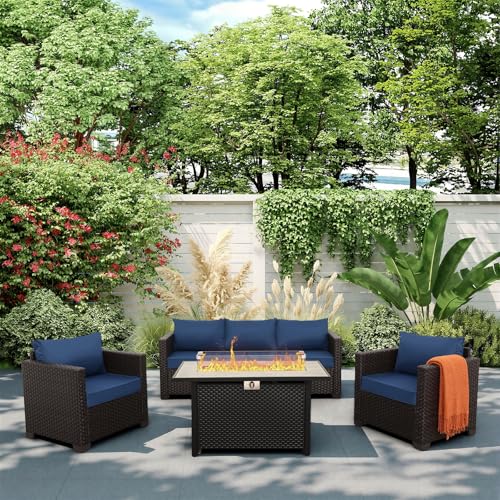
Outdoor Table and Chairs with Fire Pit: The Complete Buying Guide
Everything you need to choose a fire pit dining set that combines warmth, conversation, and lasting outdoor comfort for your backyard or patio.
START THE GUIDEWhy a fire pit dining set changes everything: A fire pit table with chairs is more than furniture, it is a gathering point. It extends your outdoor season into cool evenings, anchors the conversation, and turns a simple patio into the most used room of the house. This guide walks you through every decision, from heat output and table size to materials and safety clearances, so you can choose with confidence.
Why Choose an Outdoor Table and Chairs with Fire Pit
A fire pit table combines the utility of a dining surface with the ambiance of a fire feature. Instead of packing away the patio set when the temperature drops, homeowners can keep entertaining well into the evening and across shoulder seasons. The result is a multi-purpose zone: breakfast table by day, dining table at sunset, and a relaxed lounge around a flame at night.
For families, the table keeps drinks, plates, and games off the knees. For entertainers, the built-in fire creates an instant focal point. And for anyone designing a compact outdoor space, a single piece replaces what would otherwise be two separate purchases: a dining table and a standalone fire pit. If you are still refining your overall layout, our outdoor setting guide helps you plan the surrounding zones before committing to furniture.
Quick insight
A fire pit dining table works best when treated as the anchor of the patio. Place it first, then arrange shade, lighting, and secondary seating around it. Our guide to outdoor shade explains how umbrellas and pergolas can coexist with a fire feature without blocking airflow.
Types of Fire Pit Dining Sets
There are three main formats, and each suits a different lifestyle and footprint. Understanding the differences early makes the rest of the buying process much simpler.
1. Integrated fire pit dining tables
The fire element is built into the center of the table, usually as a round or rectangular insert with a glass surround. These are the most popular choice for family dining because the flat perimeter still accommodates plates and glasses. Seating is typically four to six chairs, and the table often includes a lid that converts the fire area into a solid surface when not in use. A good reference point is our overview of the outdoor table with built-in fire pit category.
2. Fire pit tables with a separate seating ring
Here the fire pit is a dedicated low table surrounded by chairs or a sectional, rather than a dining-height surface. This format favors conversation and lounging over full meals. If your priority is evening drinks and relaxed seating, explore the fire pit table and chairs format and pair it with a matching outdoor sofa set with fire pit table for a cohesive look.
3. Convertible and dual-purpose sets
Some tables ship with a removable center panel or a reversible top, letting you switch between a fire feature and a flat dining surface. These are practical for smaller patios where one piece must do double duty. A close cousin in this category is the outdoor table and chair set with fire pit, which often includes stackable or nesting chairs to save space.
Best for full meals
Integrated fire pit dining tables with a wide perimeter and a lid for off-duty use.
Best for lounging
Low fire pit tables ringed with deep chairs or a curved sectional.
Best for small patios
Convertible tables that flip between fire and flat dining surfaces.
Choosing the Right Size and Seating Count
Size is the most common source of buyer regret. A set that looks generous in a showroom can overwhelm a balcony, while an undersized table leaves elbows bumping. Start with the number of people you regularly host, then add one seat of buffer for flexibility.
| Seating count | Typical table shape | Recommended footprint | Best for |
|---|---|---|---|
| 2 people | Round or square, 30 to 36 inches | 7 x 7 feet | Balconies, small spaces |
| 4 people | Round 42 to 48 inches or square 40 inches | 9 x 9 feet | Couples and small families |
| 6 people | Rectangular 60 to 72 inches or oval | 10 x 10 feet | Regular entertaining |
| 8 people | Rectangular 84 inches or larger | 12 x 12 feet | Large families, hosting |
When measuring, remember that chairs need room to pull out. Allow roughly 24 to 36 inches behind each chair, and keep at least 36 inches of clear space between the fire element and any combustible surface. For narrow decks, a table and chairs for small deck configuration with a compact round top is often the smarter choice than a long rectangle.
If your guest list varies, consider a six-seat set as the sweet spot for most households, or a four-chair set with cushions if space is limited. Cushions add comfort but also add width, so factor in an extra inch or two per seat.
Materials: What Lasts Outdoors
Outdoor furniture lives through sun, rain, and temperature swings. The material you choose determines how often you will maintain it and how long it will keep its finish. Below is a practical comparison using universal quality tiers rather than any numeric figures.
| Material | Durability tier | Weather resistance | Care level | Best for |
|---|---|---|---|---|
| Powder-coated aluminum | Premium | Excellent, rust-proof finish | Low | Humid and coastal climates |
| Stainless steel | High-end tier | Excellent, heavy-duty | Low to moderate | Modern patios, high use |
| Teak and acacia hardwood | Mid-range to premium | Good when sealed | Moderate, seasonal sealing | Natural, warm aesthetics |
| Wicker and rattan over frame | Mid-tier | Good, keep covered | Moderate | Traditional and coastal looks |
| Resin and high-density plastic | Entry-level to mid-range | Good, UV-sensitive over time | Very low | Casual use, starter setups |
For the fire element itself, stainless steel burners with a rust-proof finish are the standard for long-term reliability. Glass surrounds and tempered surfaces should be rated for high heat. If you are pairing the set with other pieces, our notes on outdoor tables cover how tops and bases age together. Wood-look pieces can work beautifully, but a sealed hardwood or a high-grade composite will hold up far better than untreated timber.
Material tip
In coastal or humid regions, prioritize aluminum or stainless steel frames with marine-grade hardware. These resist salt and moisture far better than standard steel, and the finish stays intact longer even with regular use.
Fuel Types and Heat Output
The fuel you choose affects heat, convenience, and how the table can be placed. There is no single best option, only the one that fits your patio.
- Propane: The most common choice for freestanding fire pit tables. Portable, easy to refill, and produces consistent heat. A standard tank typically delivers several hours of burn time depending on the setting.
- Natural gas: Ideal if your patio already has a gas line. No tank to refill, and the flame output is steady. Installation typically requires a professional connection, which is a long-term investment for frequent entertainers.
- Wood-burning: Authentic crackle and aroma, but produces smoke and embers. Best for open, well-ventilated areas and larger yards. Requires more cleaning and stricter clearance rules.
- Bioethanol and gel: Clean-burning and ventless, suitable for covered patios. Heat output is generally lower than gas, so they work best as ambiance rather than primary warmth.
For most homeowners, propane offers the simplest balance of heat, portability, and ease of use. If you plan to place the table under a covered structure, choose a ventless or gas option and confirm the manufacturer's clearance requirements. Our guide to a table with a fire pit in the middle explains how the burner position affects heat distribution toward seated guests.
Safety, Clearances, and Placement
A fire feature demands respect for spacing. These rules are non-negotiable regardless of whether the flame is gas, wood, or gel.
- 36-inch rule: Keep at least 36 inches between the fire element and any combustible material such as wood railings, fabric, or planters.
- Overhead clearance: Verify the distance to pergola beams, umbrellas, and string lights. Heat rises, and a flame under a low structure is a hazard.
- Level surface: Fire pit tables must sit on a flat, stable surface. Uneven pavers can tilt the table and affect burner performance.
- Ventilation: Gas and gel fires need airflow. Never enclose a fire pit table in a tightly sealed area.
- Child and pet safety: Choose tables with a glass shield or a raised surround, and keep a fire extinguisher nearby. For family-focused setups, our outdoor table and chairs overview includes safety-first layouts.
Placement also affects enjoyment. Position the table so that the fire is not in direct line with a doorway or walkway, and orient seating so guests can see each other without leaning around the flame. If your patio is covered, coordinate with your shade and structure plan to keep the fire area open to the sky or well-vented.
Features Worth Having
Not every feature is essential, but a few make a noticeable difference in daily use.
Removable center lid
Converts the fire area into a flat dining surface when the flame is off. Essential for multi-purpose tables.
Adjustable flame control
Lets you dial heat up for cool evenings or down for ambiance. Look for a smooth, responsive valve.
Glass wind guard
Protects the flame on breezy patios and adds a safety barrier around the burner.
Hidden tank storage
Keeps the propane tank out of sight and simplifies the look of the table.
Weather-resistant cushions
Quick-dry foam and solution-dyed fabric resist mildew and fading. Pair with a waterproof cushion storage box.
Matching chair profile
Chairs that tuck fully under the table save space and protect cushions from rain.
If you plan to add secondary seating, a side table near the fire pit keeps drinks and small plates within reach without cluttering the main surface. Matching the finish across pieces creates a cohesive look and simplifies maintenance.
Care and Maintenance
A fire pit dining set is a long-term investment, and a simple routine keeps it looking new season after season.
- Clean the burner regularly: Wipe away debris and check burner ports for blockages. A soft brush and mild soap are usually enough.
- Cover when not in use: A fitted cover protects the tabletop, burner, and ignition system from rain and UV damage.
- Store removable parts: During freezing months, bring in the burner components and any glass shields to prevent cracking.
- Inspect connections: Check gas hoses and fittings for wear at the start of each season.
- Maintain the finish: Touch up powder-coated frames and reseal hardwood annually to preserve the weather-resistant coating.
Fabric cushions should be aired and stored dry. A dedicated cushion storage solution extends fabric life and keeps the set ready for spontaneous gatherings. For the table itself, a decor plan that avoids heavy items near the flame keeps the surface safe and stylish.
Final Buying Checklist
Use this checklist before you commit to a set. It covers the decisions that matter most and helps you avoid the common pitfalls.
Measure twice
Confirm the footprint, chair pull-out space, and 36-inch fire clearance before ordering.
Confirm fuel access
Decide between propane portability and natural gas convenience based on your patio setup.
Match the climate
Choose aluminum or stainless steel in humid areas; sealed hardwood for a natural look.
Check the burner
Look for stainless steel construction, adjustable flame, and a reliable ignition system.
Plan storage
Have a cover and a cushion storage plan before the set arrives.
Read the warranty
Understand coverage for frames, finishes, and burner components.
Ready to Compare Fire Pit Dining Sets?
Browse curated options that match the sizes, materials, and fuel types discussed in this guide. Compare features side by side and find the set that fits your patio.
EXPLORE OPTIONSFrequently Asked Questions
What is the best material for an outdoor table and chairs with fire pit?
Powder-coated aluminum and high-grade stainless steel offer the best balance of durability and weather resistance. For a natural look, teak and acacia wood with proper sealing are excellent choices. Avoid lightweight steel that rusts easily in humid climates.
How much clearance do I need around a fire pit dining set?
Allow at least 36 inches of clearance between the fire pit table edge and any combustible material, and 24 to 36 inches behind pulled-out chairs for comfortable movement. A four-person fire pit set typically needs a 10 x 10 foot footprint.
Are propane and natural gas fire pit tables safe on a covered patio?
Yes, with proper ventilation. Gas fire pit tables produce no smoke or embers, making them suitable for covered patios and pergolas. Always keep the area above and around the fire feature clear and follow the manufacturer's clearance specifications.
Can I leave an outdoor fire pit table outside year-round?
Most premium fire pit tables are designed for year-round outdoor use, but using a fitted cover during off-season months extends the life of the burner, ignition system, and finish. Drain any water from the table and store removable components indoors during freezing temperatures.
Should I choose a round or rectangular fire pit table?
Round tables encourage conversation and suit compact patios, while rectangular tables accommodate more place settings and fit long, narrow decks. For four to six diners, a round 48-inch table is often the most versatile choice.