Picnic Chairs Buying Guide: Comfort, Portability & Practical Features
Everything you need to know before choosing the right picnic chairs for your next outdoor gathering, camping trip, or backyard event.
START EXPLORINGWhy picnic chairs deserve careful selection: A good picnic chair is more than a place to sit. It is the foundation of a comfortable, relaxed outdoor experience. Whether you are planning a family picnic in the park, a beach day, a camping weekend, or a backyard barbecue, the right chairs keep everyone comfortable for hours.
This guide walks you through the key considerations that matter most when choosing picnic chairs. You will learn about portability, seating styles, frame materials, weight capacity, and the practical features that separate a solid choice from a forgettable one. By the end, you will have a clear framework for selecting chairs that match your outdoor lifestyle.
Why the Right Picnic Chairs Make a Difference
Picnic chairs are often treated as an afterthought, but they directly affect how long you and your guests stay comfortable outdoors. A chair with poor support can turn a pleasant afternoon into an uncomfortable experience. Conversely, a well-designed chair with proper back support, breathable fabric, and a stable frame lets everyone relax and enjoy the moment.
Beyond comfort, picnic chairs also need to handle real-world conditions. They face uneven ground, sun exposure, moisture, and the constant cycle of folding, carrying, and unfolding. Understanding how different chair designs handle these demands helps you make a smarter choice. If you are also setting up a dedicated outdoor dining area at home, you might explore patio table and chairs options alongside portable seating for on-the-go use.
Key Features to Evaluate in Picnic Chairs
Before comparing specific models, it helps to understand the core features that define a good picnic chair. These factors apply across every category and tier.
Portability & Weight
Look for chairs that fold flat or compact and include a carry bag. A lighter chair is easier to transport, but it should still feel stable when seated. Balance is key.
Frame Material & Build
Aluminum frames resist rust and stay light. Powder-coated steel offers heavy-duty strength. High-grade steel frames are common in mid-range and premium tiers.
Seat Height & Back Support
Low-profile chairs suit lounging and festivals. Standard-height chairs work better for eating at tables. Choose based on how you plan to use them.
Fabric & Weather Resistance
Oxford polyester and ripstop nylon are common. Look for water-resistant coating and UV resistance for longer outdoor use.
Weight Capacity & Stability
Check the rated weight capacity and the base design. Wider feet or reinforced legs improve stability on grass, sand, and uneven terrain.
Extra Features
Cup holders, side pockets, armrests, and attached coolers add convenience. Prioritize features you will actually use.
Types of Picnic Chairs and Who They Suit
Picnic chairs come in several distinct styles, each with a different balance of comfort, portability, and support. Matching the style to your activity is one of the most important decisions.
Folding Camping Chairs
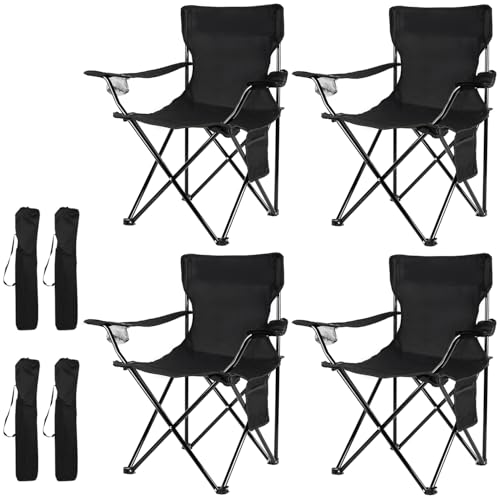
These are the most common picnic chairs. They fold into a compact shape, often come with a carry bag, and are easy to store. They suit casual picnics, backyard gatherings, and festival seating. Many include cup holders and side pockets. If you are also looking for larger fixed seating for a permanent outdoor spot, a picnic bench can complement your portable chairs well.
Low-Profile Ground Chairs
These chairs sit close to the ground and are popular for beach trips, festivals, and lounging. They are lightweight and pack small, but they offer less back support and are not ideal for eating at tables. They work well for relaxed, low-key outdoor settings.
Rocking and Reclining Picnic Chairs
These chairs add motion or adjustable recline for extra relaxation. They tend to be heavier and occupy more space when packed, but they deliver a more comfortable experience for extended outdoor sessions. They are a strong option for camping and long park days.
Armchair-Style Picnic Chairs
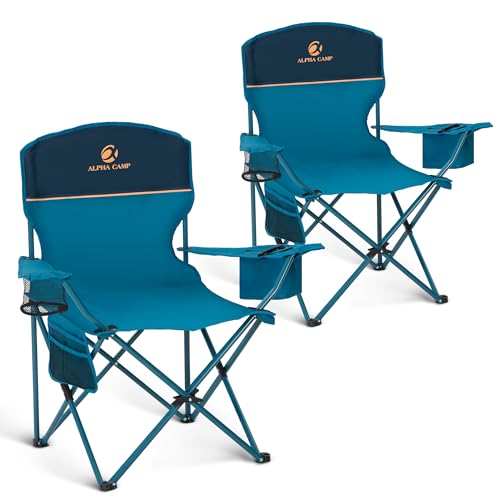
With padded seats, armrests, and sometimes insulated pockets, these chairs prioritize comfort. They are heavier and less compact, so they suit car-based picnics and backyard use more than long hikes. For a more permanent seating solution in a picnic area, a picnic table may be a better fit for groups.
Comparing Picnic Chair Tiers at a Glance
To make the comparison easier, here is a side-by-side view of how picnic chairs differ across market tiers. This framework focuses on build quality, features, and intended use rather than any specific product or numeric detail.
| Tier | Best For | Typical Build | Portability | Comfort Features |
|---|---|---|---|---|
| Starter Tier | Occasional picnics and casual backyard use | Lightweight steel frame, basic polyester fabric | Very easy to carry and store | Basic back support, simple fold design |
| Mid-Tier | Regular outdoor use, family outings, camping | Reinforced steel or aluminum frame, durable fabric | Easy to carry with a shoulder bag | Padded seat, armrests, cup holder |
| High-End Tier | Frequent users, long outdoor sessions, comfort-focused buyers | Aluminum frame, premium weather-resistant fabric | Lightweight for its strength, compact fold | Lumbar support, reclining back, insulated pockets |
| Top-Tier / Professional-Grade | Demanding outdoor use, heavy-duty scenarios, group events | High-grade steel or aircraft-grade aluminum, reinforced stitching | Designed for strength with optimized carry systems | Full support seating, heavy-duty hardware, modular accessories |
When comparing tiers, the differences usually show up in frame rigidity, fabric durability, and the smoothness of folding mechanisms. A mid-range chair often offers a noticeably more stable feel than an entry-level model, while top-tier chairs focus on long-term durability and advanced comfort features.
Picnic Chair Shopping Checklist
Use this checklist to evaluate any picnic chair before you commit. It covers the practical details that matter most in real-world use.
- Confirm the chair folds flat or compact enough for your storage space and vehicle.
- Check the weight capacity and compare it with the intended users.
- Look for a powder-coated or rust-proof finish on metal frames.
- Verify that the fabric is water-resistant and UV-resistant.
- Test the folding mechanism for smooth operation and secure locking.
- Check the base design for stability on grass, sand, or gravel.
- Consider whether you need armrests, cup holders, or side pockets.
- Look for reinforced stitching at stress points like seat corners.
- Confirm the chair comes with a carry bag or built-in carry handle.
- Read the warranty terms for frame and fabric coverage.
Frame Materials and Fabric Options Explained
The materials used in a picnic chair determine its weight, strength, and long-term durability. Understanding these differences helps you match the chair to your needs.
Aluminum Frames
Aluminum is lightweight and naturally rust-resistant. It is the preferred choice for chairs that need to be carried often. High-grade aluminum frames in premium and top-tier chairs offer a strong strength-to-weight ratio.
Steel Frames
Steel is heavier but very strong. Powder-coated steel resists corrosion and is common in mid-range and high-end picnic chairs. Heavy-duty steel frames are often found in professional-grade and commercial-grade seating designed for frequent use.
Fabric Choices
Oxford polyester is durable and water-resistant, making it a common choice. Ripstop nylon is lightweight and tear-resistant, often used in compact chairs. Mesh panels improve airflow in warm weather, which is a meaningful comfort upgrade for summer picnics.
If you are building a broader outdoor seating setup, you may also want to explore plastic outdoor chairs for permanent backyard seating, or picnic table with umbrella options for shaded group dining.
Comfort and Ergonomics: What to Look For
Comfort is subjective, but a few design elements consistently improve the experience for most people.
Seat Depth and Width
A deeper seat supports the thighs better, while a wider seat gives room to shift position. Chairs that are too narrow or too shallow become uncomfortable quickly, especially for larger users.
Backrest Height and Angle
A taller backrest with a slight recline supports the spine more effectively. Low-back chairs are fine for short sessions, but for longer picnics, a mid-height or high-back design is a better choice.
Armrests
Armrests make it easier to get in and out of the chair and reduce strain on the shoulders. They also provide a natural place to rest your arms while eating or holding a drink.
Breathable Fabric
Mesh back panels and breathable fabric help regulate temperature. This matters most during warm-weather picnics and long outdoor events.
Portability: Balancing Weight and Stability
Portability is about more than raw weight. It also involves packed size, carry method, and how quickly the chair sets up.
Ultralight chairs are easy to carry but can feel less stable. Heavier chairs feel more planted but are tiring to move over long distances. The best choice depends on how far you carry the chair and how often you use it. For car-based picnics and backyard use, a slightly heavier chair with more comfort features is often the smarter trade-off. For hiking and beach trips, a compact, lightweight chair wins.
If you are setting up a picnic area at home, pairing your chairs with a picnic table that folds into a bench can create a flexible, space-efficient arrangement.
Durability and Weather Resistance
Outdoor chairs face sun, rain, dust, and repeated folding. Durability comes down to three things: frame coating, fabric quality, and stitching reinforcement.
- Frame coating: Powder-coated finishes resist scratches and corrosion better than bare metal.
- Fabric quality: Higher-denier fabrics resist tearing and abrasion more effectively.
- Stitching: Double-stitched seams and reinforced stress points extend the chair's usable life.
If you plan to leave chairs outdoors for extended periods, consider a storage solution. A patio storage box can protect folding chairs from weather and keep them organized between outings.
Safety Considerations for Picnic Chairs
Safety is often overlooked, but it matters, especially for families with children and older adults.
- Check the rated weight capacity and never exceed it.
- Look for locking mechanisms that keep the chair fully open during use.
- Choose a chair with a wide base for stability on uneven ground.
- Avoid chairs with sharp edges or exposed hardware near seating surfaces.
- Inspect folding joints regularly for wear and looseness.
Matching Picnic Chairs to Your Use Case
Different outdoor activities place different demands on seating. Here is how to match chair styles to common scenarios.
Park and Beach Picnics
Choose lightweight chairs with a compact fold and a carry bag. Low-profile chairs work well on sand, while standard-height chairs are better for eating. Water-resistant fabric is a practical requirement.
Camping and Festivals
Comfort for long sessions matters more here. Look for mid-tier or high-end chairs with padded seats, back support, and cup holders. A chair that folds quickly and locks securely is important in busy environments.
Backyard and Patio Use
Portability matters less, so comfort and durability take priority. Armchair-style picnic chairs with padded seats and armrests are a strong fit. Pair them with a patio side table to create a convenient resting spot for drinks and snacks.
Family Gatherings and Group Events
Stability, weight capacity, and easy setup are the key factors. Chairs with wide bases and reinforced frames handle frequent use better. For larger groups, a picnic table and chairs combination can complement portable seating.
Care and Maintenance Tips
Proper care extends the life of any picnic chair. These habits make a measurable difference over time.
- Wipe down the frame and fabric after each use, especially after beach or park trips.
- Dry chairs fully before folding and storing to prevent mold and corrosion.
- Store chairs in a dry, covered area away from direct sunlight.
- Lubricate folding joints occasionally with a light silicone spray.
- Inspect stitching and hardware at the start of each outdoor season.
- Use a storage cover or box for long-term protection.
For more outdoor care guidance, explore our weatherproofing guide and outdoor care resources.
Frequently Asked Questions About Picnic Chairs
What is the most important feature in a picnic chair?
Stability and back support are the two features that most directly affect comfort and safety. A chair that feels stable on uneven ground and supports your back properly will serve you well across most outdoor scenarios.
Are aluminum or steel frames better for picnic chairs?
Aluminum is lighter and rust-resistant, making it ideal for portable use. Steel is heavier but stronger, which suits heavy-duty and frequent-use scenarios. The right choice depends on how often you carry the chair and the conditions you expect.
How do I choose between low-profile and standard-height picnic chairs?
Low-profile chairs are better for lounging, festivals, and beach use. Standard-height chairs work better for eating at tables and for people who prefer easier standing transitions. Consider your primary activity before deciding.
Can picnic chairs be left outdoors?
Most picnic chairs are designed for temporary outdoor use. Leaving them outside for extended periods accelerates wear from sun and moisture. If you need to store them outdoors, use a covered storage solution to protect the frame and fabric.
What weight capacity should I look for?
Choose a chair with a weight capacity comfortably above the weight of the intended users. A margin of safety improves stability and extends the chair's usable life. Check the manufacturer's rating for each model.
How do I maintain folding mechanisms?
Keep joints clean and dry, and apply a light silicone lubricant occasionally. Avoid forcing a stiff mechanism, and inspect for loose hardware before each use. Regular maintenance prevents jamming and extends the chair's life.
Ready to Choose Your Picnic Chairs?
You now have a clear framework for evaluating picnic chairs across portability, comfort, durability, and safety. Use the checklist and comparison table above to narrow down your options, and explore our recommended products below to find the right fit for your outdoor adventures.
Explore Recommended Options