
Glass Table Top with Hole for Umbrella: The Complete Guide
Everything you need to know before choosing a replacement glass top with a pre-drilled umbrella hole — glass types, hole sizing, rim styles, and fit checks for your patio table.
Start the GuideWhy this guide matters: A glass table top with a hole for an umbrella is one of the most practical upgrades for a patio dining table. But the wrong glass thickness, hole diameter, or edge finish can crack under load or fail to fit your frame. This guide walks you through the exact measurements, materials, and compatibility checks so you can order with confidence the first time.
What Is a Glass Table Top with Hole for Umbrella?
A glass table top with hole for umbrella is a tempered glass panel pre-drilled with a circular opening — usually centered — that allows a patio umbrella pole to pass through the table surface. It is most commonly used as a replacement top for glass-top patio tables and as the main surface of glass patio table and chairs with umbrella sets.
Unlike a standard glass top, the hole introduces a stress point. That means the glass must be properly tempered, the hole must be polished, and the table frame must support the glass evenly around its perimeter. When all three conditions are met, the result is a clean, stable dining surface that lets you shade the table without a freestanding umbrella base taking up floor space.
Who Should Consider This Upgrade?
- Replacement buyers: Your existing glass cracked, chipped, or fogged, but the metal or wood frame is still solid.
- Umbrella-first shoppers: You already own a wind-resistant patio umbrella and want a table that integrates with it.
- Small-space owners: A through-table umbrella saves the footprint a separate base would occupy.
- Style-focused buyers: Glass reflects light, makes small patios feel larger, and pairs well with grey garden furniture and modern frames.
The Buying Criteria That Actually Matter
Before you compare listings, lock down these five specifications. Getting them right is the difference between a top that lasts a decade and one that chips within a season.
1. Glass Type and Thickness
Tempered glass is non-negotiable for any outdoor table top, especially one with a hole. Tempering creates internal compression that makes the panel far stronger than annealed glass and causes it to break into small, blunt granules rather than sharp shards. Thickness typically falls into three bands:
| Tier | Typical Thickness | Best For |
|---|---|---|
| Entry-level | 5 mm – 6 mm | Small bistro tops, low-traffic use, light frames |
| Mid-range | 8 mm – 10 mm | Standard dining tables seating 4–6, most residential frames |
| Premium | 12 mm and above | Large rectangular tops, windy exposure, heavy-duty frames |
Thicker glass resists flex and reduces the risk of stress cracking around the umbrella hole. If your table sits in an exposed, windy spot, lean toward the heavier end of the range. For a broader comparison of glass-top formats, see the guide to glass-top outdoor dining tables with umbrella holes.
2. Umbrella Hole Diameter
Most patio umbrella poles measure between 1.5 and 2 inches (roughly 38–50 mm) in diameter. The glass hole is usually cut slightly larger — commonly 2 inches — to leave clearance for the pole and to accommodate a grommet or plastic insert.
- Measure your pole first. Use a caliper or wrap a tape measure around the pole and divide by pi.
- Check for a reducer ring. Many tables ship with a plastic collar that narrows a 2-inch hole to fit a thinner pole.
- Confirm hole placement. Centered holes are standard, but offset holes exist on some oval and rectangular tops.
If you are still deciding between table formats, the glass-top patio table with umbrella hole overview covers common hole layouts.
3. Edge Finish
The edge of the glass is where chips begin. Look for a flat-polished or beveled edge rather than a raw cut. Polished edges are smoother to the touch and less likely to develop micro-cracks that spread inward. Beveled edges add a slight visual weight that suits traditional and rustic patio frames.
4. Shape and Dimensions
Measure the frame opening, not the old glass. Frames can shift over years of sun and rain. Common formats include:
| Shape | Typical Use | Notes |
|---|---|---|
| Round | 4-seat dining, bistro sets | Even load distribution, easiest to fit |
| Rectangular | 6-seat dining | See glass-top rectangular outdoor dining table |
| Square | 4-seat compact patios | Pairs well with small garden table sets |
| Hexagon | 6-seat statement tables | See hexagon glass patio table with 6 chairs |
5. Rim and Support Compatibility
Glass tops rest on a rim, clips, or suction cups. Confirm that your frame has:
- Continuous perimeter support (a full rim rather than four corner tabs)
- Rubber or plastic pads to prevent direct glass-to-metal contact
- Retention clips or suction cups to stop lateral sliding
Frames designed for heavy-duty patio tables with umbrella holes usually include all three. Lighter frames may need aftermarket pads.
Glass Table Top vs. Other Table Top Materials
Glass is not the only option. Here is how it compares to the materials you will see while shopping.
| Material | Strengths | Trade-offs |
|---|---|---|
| Tempered glass | Reflective, easy to wipe, does not absorb stains, shows umbrella pole clearly | Can chip on edges, heavy, needs careful handling |
| Powder-coated metal | Very durable, no breakage risk | Hot in direct sun, can dent |
| HDPE / recycled plastic | Weather-proof, low maintenance | Less refined look; see HDPE outdoor furniture |
| Wood slats | Warm, natural | Needs sealing; see good wood for outdoor furniture |
Glass wins on visual lightness and clean-up. If your patio is shaded or covered, glass holds up especially well. If it is fully exposed to wind and debris, consider whether a solid-surface top better suits your routine — the guide to garden furniture that can be left outside all year is a useful cross-check.
How to Measure for a Replacement Top
Follow this sequence to avoid a return shipment:
- Measure the frame opening at its widest point, both directions for rectangular tops.
- Measure the rim depth — how far the glass sits inside the frame lip.
- Measure the umbrella pole diameter at the point where it passes through the table.
- Check hole position relative to the frame center.
- Confirm clearance between the glass edge and any welded joints or armrests.
Write the numbers down before you open any product page. Listings quote nominal sizes, and a 40-inch top may measure slightly differently from a 40-inch frame opening. The measurement guide has a printable checklist if you want a structured worksheet.
Safety and Maintenance Essentials
Inspect the hole edge
Run a finger along the inside of the umbrella hole. Any roughness or visible chip means the tempering may be compromised.
Use a grommet
A plastic or rubber insert cushions the pole and stops metal-on-glass contact that can start a crack.
Avoid point loads
Do not set heavy planters or coolers directly on the glass. Distribute weight across the surface.
Clean with mild soap
Skip abrasive pads and ammonia-heavy cleaners. A soft cloth and dish soap keep the surface clear.
Secure the umbrella
Use a weighted base or a table-lock collar so wind does not lever the pole against the hole edge.
Cover in off-season
See heavy-duty patio furniture covers to protect the glass from debris and frost.
Pairing Your Glass Top with the Right Umbrella and Chairs
A glass top with an umbrella hole is only as good as the parts around it. Three quick pairing notes:
- Umbrella: A vented canopy reduces lift in gusts. See wind-resistant cantilever umbrellas if your table sits off-center to the shade zone.
- Base: Through-table umbrellas still need a base to stay upright. The heavy-duty umbrella stand with wheels guide covers stability options.
- Chairs: Match seat height to table height. Glass-top dining sets usually pair with standard-height chairs; see good outdoor chairs for style matching.
For complete set inspiration, browse glass-top patio table and 4 chairs or glass-top patio table and 6 chairs configurations.
Common Mistakes to Avoid
- Ordering annealed glass. It is not safe for outdoor tables, with or without a hole.
- Guessing the hole size. A hole that is too small will not accept the pole; one that is too large leaves the pole unsupported.
- Ignoring rim depth. A top that overhangs the rim can slide or tip.
- Skipping the pads. Direct glass-to-metal contact is a leading cause of edge chips.
- Leaving the umbrella up in storms. Even a sturdy pole can lever against the hole in high wind.
Frequently Asked Questions
Can I drill an umbrella hole in an existing glass top?
No. Tempered glass cannot be drilled after tempering — it will shatter. The hole must be cut before the tempering process at the factory.
What size hole do I need for a standard umbrella pole?
Most poles are 1.5 to 2 inches in diameter. A 2-inch hole is the common standard, often paired with a reducer ring for thinner poles. Always measure your specific pole.
Is a thicker glass top always better?
Not always, but thicker glass handles wind and point loads better. Match thickness to frame support and table size. Premium thickness is most valuable on large rectangular tops in exposed locations.
How do I know the top will fit my frame?
Measure the frame opening, rim depth, and umbrella pole diameter. Compare all three to the listing specs. When in doubt, contact the seller with your measurements before ordering.
Can a glass top with a hole be used without an umbrella?
Yes. Use a hole cover or grommet insert to close the opening when the umbrella is removed. This keeps the surface flush and prevents small items from falling through.
What is the difference between a glass top with a hole and a glass top without one?
The only structural difference is the pre-drilled, polished opening. The hole introduces a stress point, so tempering quality and edge polishing matter more. Otherwise, care and cleaning are the same.
Final Checklist Before You Order
Verify these before checkout
✓ Glass is tempered | ✓ Thickness matches frame support | ✓ Hole diameter matches pole | ✓ Hole is centered (or offset as needed) | ✓ Edge is polished or beveled | ✓ Dimensions match frame opening | ✓ Rim pads and clips included | ✓ Grommet or reducer ring included
Ready to compare options? The product picks below are drawn from the glass table top with hole for umbrella category, and each listing shows the specifications you just learned to check.
Recommended Glass Table Tops with Umbrella Hole
⚠️ AFFILIATE DISCLOSURE: This website contains affiliate links. As an Amazon Associate, we earn from qualifying purchases. If you make a purchase through these links, we may receive a small commission at no additional cost to you. Read our full affiliate policy.

Tempered Glass Table Top with Rounded Edge (48" With 1 5/8 Center Hole)
Check price on Amazon
Audio-Visual Direct Tempered Glass Table Top with Rounded Edge (42" with 1 5/8 Center Hole)
Check price on Amazon
Audio-Visual Direct Tempered Glass Patio Table Top, Clear, Round Edge, 36" | 1 5/8" Center Hole, Includes Umbrella Hole Ring and Cup Set, Outdoor Furniture
Check price on Amazon
BreezeHug 48" Round Tempered Glass Table Top, 2" Center Hole 1/4" Thick | Pencil Polished Edge, Replacement Table Top for Patio Outdoor Indoor Dining Coffee End Table, Garden Terrace Furniture
Check price on Amazon
Tangkula 35" Glass Top Patio Dining Table for 4, Square Outdoor Table | Tempered Glass Tabletop, 1.65" Umbrella Hole & Metal Frame, 4-Person Outside Dining Table for Backyard, Lawn, Deck & Poolside
Check price on Amazon
Virelix 36" Round Glass Table Top with 2 Inch Umbrella Hole, 3/16" Thick Flat Polished Edge Tempered Finished for Patio, and Outdoor Tables, Only Glass (36 inch)
Check price on Amazon
2 Pack Patio Table Umbrella Hole Ring and Cap Set for Standard Table Hole | Fits 2" Glass or Acrylic Table Holes, Silicone Material, Reduces Sway, Scratches and Rattling
Check price on Amazon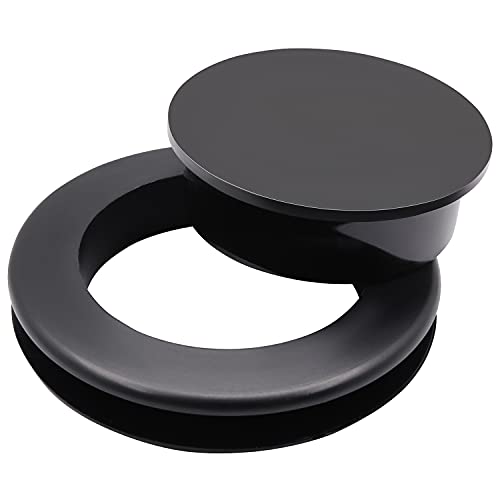
ZXUEZHENG 1 Pieces 2 Inch Silicone Umbrella Hole Ring Plug and Cap Set for Glass Outdoors Patio Table Deck Yard (Silicone,Black)
Check price on AmazonDisclaimer
The information provided on PatioFocus is for educational and informational purposes only. We are not professional landscapers or contractors, and our content should not replace professional advice. Always consult with a qualified expert regarding structural, safety, or weather-related concerns. Some content may use AI assistance. Always check product warranties and safety standards before purchasing. If you do not agree, please do not use this website. Read the full disclaimer.