Lawn Umbrella Stand: The Complete Buying Guide for Stable Outdoor Shade
A reliable stand is the foundation of any safe and enjoyable umbrella setup. Learn how to choose the right base for your yard, patio, or garden so your shade stays put all season long.
Why the right stand matters: An umbrella is only as good as the base that holds it. A poorly matched stand can tip in a breeze, damage your umbrella, or create a safety hazard. This guide breaks down every stand type, material, and stability feature so you can choose with confidence — whether you are shading a dining table, a lounge area, or a patch of open lawn.
Understanding Lawn Umbrella Stand Types
Not all stands are designed for the same surface or umbrella style. The four main categories below cover the vast majority of residential and light commercial setups. Each serves a different purpose and works best in specific conditions.
Cross-Base Stand
Four legs form an X or cross shape, often with fillable weights on each arm. Works on hardscape and can be staked on grass for extra hold. The most common all-purpose option for residential yards.
Essential tierPlate or Disc Base
A flat, heavy plate that sits under the umbrella pole. Simple, low-profile, and easy to move. Best for calm locations and smaller umbrellas on flat patios or decks.
Starter tierCantilever / Offset Stand
Holds the umbrella from the side, freeing the space underneath. Requires a heavy base or in-ground mounting. Ideal for lounging areas and large shade canopies.
Premium tierIn-Ground / Grass Anchor
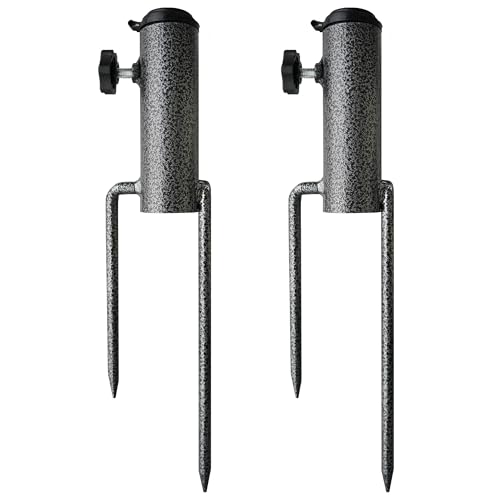
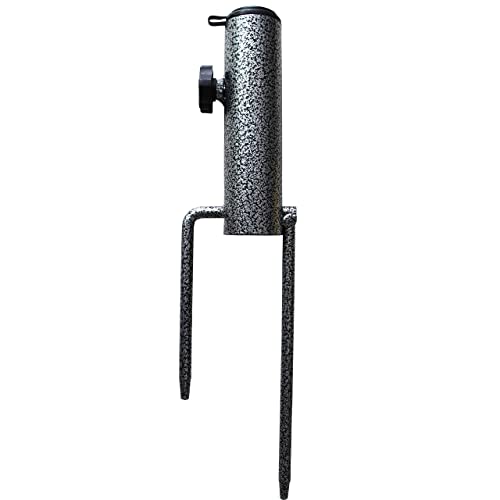
Driven into soil or secured with auger stakes. Extremely stable because it anchors below the surface. Perfect for open lawns, gardens, and event spaces.
Professional-gradeMaterials: What Stands Are Made Of
The material affects weight, weather resistance, and how the stand performs over time. Here is how the common options compare.
- Cast iron and steel: Heavy and extremely stable. High-grade steel with a rust-proof finish is a long-term investment that handles wind and weather well. These are often commercial-grade and suit larger umbrellas.
- Aluminum: Lighter and easier to reposition. Mid-range aluminum stands are corrosion-resistant but need proper weighting to stay put in exposed areas.
- Resin and plastic (fillable): Hollow bases you fill with water or sand. Portable and practical for renters or seasonal setups. Sand-filled resin provides more stability than water-filled.
- Concrete and stone: The heaviest option. Usually permanent or semi-permanent. Excellent for windy locations and large offset umbrellas, but difficult to move.
- Wood: Aesthetically warm and suited to rustic or coastal settings. Needs regular sealing to resist moisture and rot.
Stability Factors to Check Before You Buy
A stand's published weight is only part of the story. Pay attention to these design details to make sure your umbrella stays upright.
- Base footprint: A wider footprint spreads the load and resists tipping. Cross-bases and cantilever stands typically offer the largest footprint.
- Pole collar and tightening mechanism: Look for a secure collar with a thumb screw or clamp. A loose fit lets the pole wobble and wear the base over time.
- Weight rating: Match the base to your umbrella size. Larger canopies catch more wind and need heavier bases. Check the umbrella maker's recommended minimum.
- Ground anchoring: On grass, stakes or auger anchors make a dramatic difference. Some cross-bases include pre-drilled holes for ground stakes.
- Weather-resistant coating: Powder-coated or galvanized finishes resist rust and extend the stand's usable life outdoors.
Matching Your Stand to Your Surface
The surface under your umbrella changes everything. A stand that works beautifully on a patio may struggle on soft grass. Use this quick comparison to align your stand choice with your space.
| Surface | Best Stand Type | Key Consideration |
|---|---|---|
| Patio / deck (hardscape) | Plate base or cross-base | Use a base pad to protect the surface and prevent sliding |
| Lawn / grass | In-ground anchor or cross-base with stakes | Soil softens after rain — anchoring is essential |
| Gravel / dirt | Cross-base with weighted arms | Level the ground first to avoid leaning |
| Poolside | Cantilever or heavy plate base | Choose rust-resistant materials and avoid tipping risk near water |
| Balcony | Compact fillable base | Check weight limits and wind exposure before setup |
Sizing Your Stand Correctly
Umbrella stands are sized to pole diameter and canopy size. Getting the match right prevents wobble and tipping. As a general rule, measure your umbrella pole diameter before shopping and compare it to the stand's collar specification.
For canopy size, a common guideline is that larger umbrellas — especially those over nine feet across — need heavier bases and wider footprints. Offset and cantilever umbrellas place more leverage on the base, so they demand premium or commercial-grade stands with substantial weighting.
If you are pairing a stand with a dining setup, consider how the base interacts with table legs and chairs. A large outdoor dining table with an umbrella hole often pairs best with a plate base or low-profile cross-base that fits beneath the table.
Installation and Maintenance Tips
A few simple habits keep your stand stable and extend its lifespan.
- Place the stand on level ground and check for wobble before opening the umbrella.
- Fill fillable bases completely — partial filling reduces stability.
- Tighten the pole collar firmly, but avoid over-tightening that can crack resin collars.
- Close and secure the umbrella during storms or high-wind forecasts.
- Inspect for rust, cracks, or loose fittings at the start of each season.
- Store portable bases indoors during winter in cold climates to prevent cracking.
Coordinating Your Outdoor Setup
Your umbrella stand works as part of a larger outdoor living system. Think about how it fits with your seating, shade, and storage. A lanai patio setup, for example, often benefits from a low-profile plate base that does not interfere with traffic flow. Larger yards may combine a grass-anchored umbrella with lawn furniture arranged around a central shade point.
For dining areas, matching the stand to your table style keeps the look cohesive. If you are building a full shade and seating zone, browse large patio umbrellas to understand how canopy size affects base requirements, and review large outdoor umbrella options for coverage planning. When selecting a canopy replacement or a new umbrella, large outdoor umbrella replacement canopy guides help ensure your existing stand remains compatible.
Offset and cantilever styles change the geometry of your space. A large rectangular cantilever patio umbrella shifts the pole to the side, so the stand must be positioned where it will not block walkways. Similarly, a large rectangular patio umbrella with stand bundle can simplify matching, but always verify the base rating against your wind exposure.
Consider the full layout of your outdoor room. Pairing shade with a large outdoor table or a large round outdoor dining table that seats 8 creates a natural gathering point. If your umbrella will shade a lounge zone, a large lounge chair or a large sectional couch with pull-out bed can anchor the space beneath the canopy.
Storage and accessory planning matter too. Keep cushions and covers organized with a large deck box or a large waterproof outdoor storage container nearby, so your stand and umbrella accessories stay tidy between uses.
Frequently Asked Questions
What is the most stable type of lawn umbrella stand?
Cantilever and cross-base stands with heavy weighting offer the highest stability. In-ground or grass-anchored stands are also extremely secure because they penetrate the soil rather than relying on surface weight.
How much weight does a lawn umbrella stand need?
For most residential umbrellas, a base weighing at least 50 pounds is recommended. Larger umbrellas or windy locations may require 100 pounds or more. Always check the umbrella manufacturer's recommended minimum base weight.
Can I use a patio umbrella stand on grass?
Yes, but grass surfaces are less stable than hardscape. Use a stand with ground stakes or auger anchors designed for soil, or place a weighted base on a flat stepping stone for added stability.
Do lawn umbrella stands need to be filled with water or sand?
Many portable stands are fillable and can be weighted with water or sand. Sand is denser and heavier than water, providing more stability for the same volume. Some stands use solid cast material and do not require filling.
How do I prevent my lawn umbrella from tipping over?
Choose a base rated for your umbrella size, use ground anchors on grass, avoid placing the umbrella in exposed windy spots, and close the umbrella during storms or high winds. A cross-base or cantilever stand with proper weighting is the most reliable solution.
Ready to secure your shade? Explore our recommended lawn umbrella stands below. Each option is selected for stability, durability, and compatibility with common umbrella sizes — so you can set up with confidence and enjoy the outdoors without worrying about tipping.
View Recommended Stands