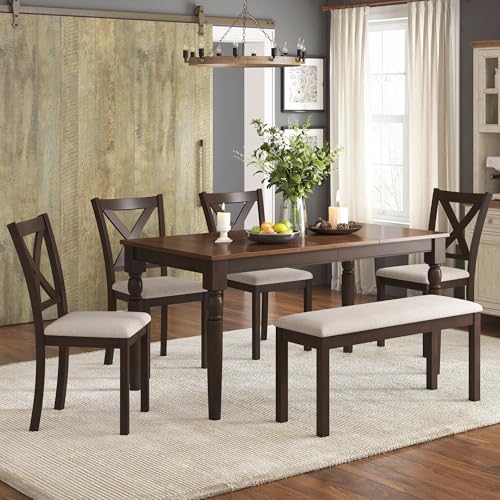
Dining Room Table Set with Bench and Chairs: A Complete Buying Guide
Mix the comfort of chairs with the space efficiency of a bench. This guide walks you through layouts, sizes, materials, and styling so you can choose a dining set that fits your room, your family, and the way you actually eat.
Explore Seating LayoutsWhy a bench-and-chair set is worth considering: A dining room table set with bench and chairs gives you flexible seating without filling the room with heavy chairs. Benches tuck neatly under the table, open up sightlines, and let you seat more people along one side. The result is a dining space that feels balanced rather than crowded, especially in narrow rooms and open-plan homes.
Understanding the Bench-and-Chair Format
A mixed dining set pairs a table with a bench on one or two sides and chairs on the remaining sides. This arrangement is common in farmhouse, cottage, and modern-rustic interiors, but it works just as well in contemporary rooms when the bench is slim and the chairs are clean-lined. Before shopping, it helps to understand what the bench actually contributes to the room.
- Space efficiency: A bench takes up less floor area per seated person than individual chairs because there are no armrests or gaps between seats.
- Visual openness: With the bench pushed under the table, the dining area reads as lighter and less cluttered.
- Social seating: Benches encourage side-by-side seating, which suits casual family meals and gatherings with children.
- Design contrast: The mix of a long horizontal bench against vertical chairs creates a pleasing rhythm in the room.
If you want a deeper look at how a single bench fits into different seating plans, the guide to a dining room set with bench and chairs covers the combinations in more detail. For the classic arrangement of one bench plus chairs, see the breakdown of a dining table with a bench and chairs.
Choosing the Right Seating Layout
The layout you choose depends on room shape, traffic flow, and how often you host. Below are the most practical configurations for a bench-and-chair dining set.
Bench on one long side
The most common and most space-friendly option. Chairs face the bench across the table, which keeps the seating balanced and makes it easy to slide in from the open side.
Bench against a wall
Ideal for narrow dining rooms. The bench becomes fixed seating, and chairs sit opposite. This maximizes floor space but limits access from the wall side.
Corner bench layout
An L-shaped bench wraps two sides of the table, freeing the other two for chairs. This works well in a corner nook and feels cozy for family meals.
Bench on both long sides
Maximum seating along the table's length. Chairs move to the ends. This suits long tables and households that frequently seat six or more people.
Corner and L-shaped setups are covered in depth in the guide to a dining room corner bench. If you prefer to keep chairs at both ends and a bench along one side only, the dining table with bench on one side layout explains the clearance you need around the table.
Sizing the Table, Bench, and Chairs
Proportion is where most dining room purchases go wrong. A bench that is too tall blocks the table edge, and a table that is too narrow leaves no room for elbows. Use these practical rules as a starting point.
- Seat spacing: Allow about 24 inches of table width per person seated along a side. A 60-inch table comfortably seats two people on a bench; a 72-inch table seats three.
- Seat height: Standard dining seats are around 18 inches high, leaving roughly 10 to 12 inches between the seat and the table apron.
- Knee clearance: A bench without a back needs about 12 inches of horizontal clearance between the table edge and the bench front so guests can tuck in and stand up.
- Walking room: Leave at least 36 inches between the table edge and walls or other furniture to allow chairs to pull out.
Smaller rooms benefit from a compact configuration. The dining table with bench for small spaces guide focuses on shallow benches and narrower tables. For a predictable four-person setup, the dining table set for 4 with bench covers proportions in detail. Larger households can compare the dining table set for 6 with bench and the dining table set for 8 with bench.
Materials and Build Quality by Tier
Dining furniture is available across a wide range of construction quality. Rather than focusing on numbers, it helps to understand what each tier typically delivers in durability and finish.
| Tier | Typical Build | Best For |
|---|---|---|
| Entry-level | Engineered wood or thin solid wood, painted finishes, basic joinery | Occasional use, first apartments, temporary setups |
| Mid-range | Solid hardwood frames, reinforced corner blocks, durable finishes | Everyday family dining, long-term daily use |
| Premium | Kiln-dried hardwood, mortise-and-tenon joinery, hand-finished surfaces | Frequent hosting, households that want a long-term investment |
| Luxury | Premium hardwoods, custom upholstery, artisan detailing | Statement dining rooms and high-use formal spaces |
A mid-range set generally offers the best balance for daily family meals: the solid build holds up to regular use, and the finish resists everyday wear. Premium and luxury tiers make more sense when the dining room is a focal point or when you host frequently.
Wood choice matters as much as tier. Oak and ash take heavy use well; pine is softer and more prone to dents; mango and acacia offer characterful grain at accessible positions in the market. Upholstered benches add comfort but need fabric that handles spills. The dining room table with bench and 2 chairs guide discusses fabric selection for upholstered seating.
Bench Types and What They Change
The bench is the defining element of this set, so its style deserves attention. Each type changes both comfort and the visual weight of the room.
Backless benches
Backless benches are the most space-efficient option and tuck fully under the table. They suit casual meals and rooms where the dining area is part of a walkway. The trade-off is less back support during long dinners.
Benches with a back
A bench with a back behaves more like a sofa and adds comfort for lingering meals. It also adds visual height, which can make a small room feel more enclosed. For the comfort-focused option, see the dining table bench with back guide, which covers back height and cushioning.
Storage benches
Storage benches combine seating with a lift-up lid or drawers, useful for table linens, board games, and serving pieces. They add utility but tend to be heavier and harder to move. The dining table with storage bench and chairs layout explains how to keep access to the lid unobstructed.
Corner and banquette benches
Corner benches wrap around two sides of the table and create a built-in nook feel. Banquette-style seating is explored in the dining room table with banquette seating guide. These layouts suit alcoves and open-plan corners where a standard table would feel adrift.
Pairing Chairs with the Bench
The chairs carry most of the ergonomic load, so choose them with comfort in mind. A bench seats several people along one side, but the chairs are where guests sit for the longest stretches.
- Seat height match: Chairs and bench should sit at the same height so the table edge feels even from both sides.
- Back support: Look for chairs with a slight recline and enough back height to support the shoulder blades.
- Arm or armless: Armless chairs slide under the table more easily and pair better with a bench that already limits clearance.
- Visual contrast: If the bench matches the table finish, chairs can introduce contrast through upholstery or a lighter or darker wood tone.
Upholstered chairs soften the look of a solid wood bench and table. The dining table with bench and upholstered chairs guide covers fabric durability and color pairing. If you prefer a uniform look, matching wood chairs are covered in the dining table with chairs and bench seat layout.
Table Shape and Extendability
Rectangular tables are the natural partner for a bench because the long side gives the bench a purpose. Oval tables soften the corners and work in transitional rooms, but benches fit them less cleanly. Round tables pair better with chairs on all sides.
If your household size changes between weeknights and holidays, an extendable table is worth considering. The extendable dining table with bench and chairs guide explains how leaf mechanisms affect seating on a bench side. When the table extends, the bench usually needs to move outward as well, so plan for extra floor space along that side.
For the two-person-plus-bench arrangement, the dining table with 2 chairs and a bench format works well in apartments and breakfast nooks. Larger formal rooms may prefer the dining room table with bench and 4 chairs arrangement, which keeps the head of the table free for serving.
Style Directions That Suit a Bench and Chair Set
The bench-and-chair format spans several interior styles. Choose the one that matches the rest of your home so the dining set feels intentional rather than assembled from separate purchases.
Farmhouse and cottage
Painted or lightly distressed wood, a sturdy trestle base, and a bench with a low back define this look. It pairs naturally with woven chairs and simple cotton seat cushions. The farmhouse dining set with bench and chairs guide explores finish and fabric choices for this style.
Modern and minimalist
Slim benches, thin table tops, and chairs with clean silhouettes keep the arrangement light. Choose a bench with a simple slab top and no visible hardware. This style works best in open-plan rooms where the dining table is visible from the living area.
Transitional
Transitional sets blend a classic table profile with upholstered chairs and a subtly shaped bench. This is the most forgiving style if the rest of your home mixes traditional and contemporary pieces. The dining table with bench and two chairs format is a common transitional choice for smaller rooms.
For a complete room concept rather than a single piece, the dining room table set with bench and chairs overview links the style directions to specific layouts and seating plans.
Making the Room Work Around the Set
A dining set is only as good as the room around it. These considerations help the set feel at home rather than placed.
- Rug sizing: The rug should extend at least 24 inches beyond the table on all sides so chairs and bench stay fully on the rug when pulled out.
- Lighting height: Hang a pendant or chandelier 30 to 36 inches above the table surface so it lights the dining surface without blocking sightlines.
- Traffic paths: Keep the main walkway at least 36 inches wide and avoid placing the bench side in the primary path through the room.
- Color balance: A dark wood set anchors a bright room; a light wood set keeps a small room from feeling heavy. Let the walls and rug do the work of tying the mix together.
If the set arrives flat-packed, the delivery and assembly guide covers what to check before the first meal, from hardware counts to leveling the table.
Common Mistakes to Avoid
- Choosing a bench that is too deep: Benches deeper than about 15 inches push guests away from the table and reduce knee clearance.
- Ignoring the bench side's clearance: A bench against a wall can trap guests if the table cannot slide or if the bench cannot pull out.
- Mismatching seat heights: A bench that sits noticeably higher or lower than the chairs makes the table feel uneven.
- Over-upholstering the bench: Thick cushions raise the seat height and can lift knees above the table edge.
- Forgetting the serving side: Leave one short end of the table free for serving dishes, or plan a sideboard nearby.
For a more detailed checklist of seating combinations, the dining room sets with a bench seat guide walks through the most common layouts and the clearance each one needs.
Frequently Asked Questions
Is a bench and chair dining set good for everyday family use?
Yes. A mixed bench and chair layout works well for families because benches seat multiple people along one side, while chairs offer back support for longer meals. Choose a bench with a back if comfort during long dinners matters to you.
What size dining table fits a bench and chairs comfortably?
Allow roughly 24 inches of table width per seated person and at least 12 inches of clearance between the table edge and the bench or chair. A 60 to 72 inch table typically seats four to six people when one side uses a bench.
Should the bench be placed against a wall?
A bench against a wall saves floor space in narrow dining rooms, but it makes the table harder to access from that side. If you host often, keep the bench slightly away from the wall so guests can slide in and out.
How do I keep a bench and chair set looking cohesive?
Match the finish of the bench to the table, then let the chairs introduce contrast through upholstery or a slightly different wood tone. Repeating one element, such as the leg style or seat height, keeps the mixed seating from looking accidental.
Bottom line: A dining room table set with bench and chairs solves a specific problem well: it seats more people without crowding the room. Match the bench type to how you use the space, keep seat heights consistent, and size the table to the number of diners you actually host. Do those three things, and the set will feel balanced from the first meal.