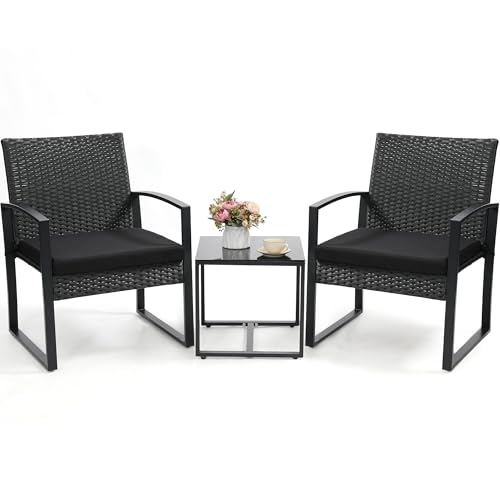
Outdoor Table Chair Set: The Complete Guide to Choosing Yours
An outdoor table chair set is the anchor of every alfresco dining space. Whether you are planning a cozy balcony for two or a full garden dining arrangement for eight, this guide walks you through materials, sizing, style, and practical considerations so you can choose with confidence.
Explore Buying FactorsWhy this guide matters: Most shoppers arriving here already know they want an outdoor dining set — what they still need is clarity. Which material holds up in your climate? How many chairs actually fit your deck? What separates a starter-tier set from a premium one? This guide answers those questions in plain language, drawing on the same categories we use across our outdoor setting guides and outdoor table set resources.
Why an Outdoor Table Chair Set Deserves Careful Selection
An outdoor table chair set is more than furniture — it is where weekend breakfasts stretch into lunch, where friends gather for evening drinks, and where children do homework in the fresh air. Because it lives outside year-round, it faces sun, rain, wind, and temperature swings that indoor furniture never sees. That makes the choice of material, finish, and construction far more consequential than it would be for a living room set.
A well-chosen set also defines the visual rhythm of your entire patio. The table sets the footprint, the chairs set the seating density, and together they determine how freely guests can move. Shoppers who invest a little time understanding the categories — and the differences between outdoor table and chairs configurations — consistently end up with a set that feels right for years rather than seasons.
Sizing the Set to Your Space
The single most common regret among outdoor dining buyers is a set that is either too large for the available footprint or too small for the way they actually entertain. Before browsing, measure your space and plan for circulation.
The 36-Inch Circulation Rule
Leave roughly 36 inches (about 90 cm) of clearance between the edge of the table and any wall, railing, or planter. That buffer lets chairs push back and lets guests walk behind seated diners without squeezing. On a tight balcony, this rule alone often determines whether a two-seat or four-seat set is realistic.
Seating Capacity at a Glance
Standard round tables seat four comfortably at roughly 42 to 48 inches in diameter, while rectangular tables typically provide about 24 inches of linear space per person. If your guest list fluctuates, consider a set that can grow — a six-person table and chairs arrangement often handles everyday use with room for occasional extras.
Quick Sizing Check
For a two-person nook, look at a compact two-seat set. For a standard patio, a four-seat configuration balances utility and space. For a full deck, explore six-seat or even eight-seat options.
Small Spaces and Balconies
Small decks and balconies benefit from bistro-style proportions. A small round table with two chairs keeps sightlines open and preserves walkways. If you are working with a narrow footprint, our notes on table and chairs for a small deck and compact space solutions offer further layout guidance.
Materials: The Heart of Durability
Material choice determines weight, maintenance rhythm, and how the set ages. There is no universally best material — only the best fit for your climate and habits. Below is a comparison of the most common constructions.
| Material | Best For | Maintenance Rhythm | Tier Positioning |
|---|---|---|---|
| Powder-coated aluminum | Humid or coastal climates; frequent rearranging | Wipe-down; occasional touch-up of chips | Mid-range to premium |
| Teak and hardwoods | Natural-look patios; long-term investment | Annual sealing or oiling | Premium to luxury |
| Wicker and rattan | Covered porches; relaxed coastal styling | Gentle cleaning; covers in wet months | Entry-level to mid-range |
| Resin and polypropylene | Family use; easy-care households | Hose down; minimal upkeep | Starter tier to mid-tier |
| Steel with weather-resistant coating | High-traffic commercial-grade feel | Rust inspection at seams | Balanced tier to top-tier |
Aluminum frames dominate the mid-range and premium categories because they resist rust and stay light enough for one person to reposition. Hardwood sets sit at the premium and luxury end thanks to their density and refinishability. Resin sets are the pragmatic entry-level choice for households that want fuss-free upkeep.
Tabletop material matters just as much as the frame. Tempered glass offers a clean, reflective surface but shows water spots; slatted metal and composite tops shed rain efficiently. If you are replacing a top rather than a whole set, note that replacement options exist for specific configurations, such as a tempered glass table top replacement or a replacement top with an umbrella hole.
Understanding Market Tiers
Outdoor dining sets are commonly grouped into tiers that reflect construction quality, material grade, and finish detail. These tiers are relative positions within the market rather than absolute measures, and they help you calibrate expectations before you compare specific models.
Entry-Level
Resin or light steel frames, straightforward assembly, and simple finishes. A solid choice for seasonal use or a first patio.
Mid-Range
Powder-coated aluminum or mid-grade wicker, reinforced joints, and better cushions. Feature-rich for its class.
Premium
Heavy-duty frames, refined welds, higher-grade fabrics, and thoughtful ergonomics. A worthwhile long-term investment.
Luxury
Solid hardwood or commercial-grade metal, hand-finished details, and generous warranties. Built to anchor a space for decades.
Across every tier, the key is matching the descriptor to your actual use. A mid-range set used daily on a covered porch often performs better than a premium set left fully exposed. For a wider lens on how these categories fit into a complete space, see our outdoor setting overview.
Style, Shape, and Visual Harmony
Shape drives flow. Round tables encourage conversation and suit compact footprints. Rectangular tables maximize seats per square foot and work well along walls or railings. Square tables split the difference and pair neatly with symmetrical layouts. Oval tables offer a softer rectangular feel with fewer sharp corners around children.
Consider how the set relates to the rest of your patio. A table with benches reads casual and farmhouse-inspired, while a slatted aluminum set leans modern. If you already own lounge pieces, a standalone outdoor table can tie the zone together. Our guide to outdoor table decor covers centerpieces and finishing touches that complete the look without clutter.
Umbrella and Shade Integration
If your dining area receives direct midday sun, plan for shade from the start. Many sets include a central hole, and choosing a table and chairs with umbrella simplifies the purchase. Confirm the hole diameter before buying a canopy, and pair it with a stable base — our notes on umbrella bases explain the weighting considerations. For broader shade strategies, see outdoor shade solutions.
Practical Buying Factors
Beyond material and style, a handful of practical details separate a set that delights from one that frustrates.
Frame Joints and Weight
Inspect how legs meet the table apron. Welded joints outperform bolted ones for rigidity, while bolted construction is easier to tighten over time. Heavier sets resist wind better but are harder to move; if you reconfigure often, prioritize aluminum over steel.
Cushions and Fabrics
If the chairs include cushions, look for quick-dry foam and solution-dyed acrylic or olefin covers. Removable, machine-washable covers extend the useful life dramatically. Store cushions in a dry box during heavy rain — our guide to waterproof cushion storage covers the options.
Assembly and Delivery
Most sets ship flat-packed. Check whether the listing specifies the number of boxes and the tools required. Two-person assembly is typical for four-seat and larger sets. If you are uncertain about access through gates or stairwells, measure the packed dimensions against your delivery path.
Storage and Off-Season Care
Even weather-resistant sets benefit from seasonal care. A fitted cover reduces grime, and storing cushions indoors during winter protects fabrics. For a full maintenance schedule, review our weatherproofing guide.
Popular Configurations Worth Considering
Configuration affects both function and price positioning within a tier. Here are the arrangements shoppers most often compare.
- Two-seat bistro: ideal for balconies and morning coffee. See two-seat sets and a table with two chairs.
- Four-seat dining: the workhorse of patios. Explore four-seat sets and a cushioned four-chair option.
- Six-seat family: suits regular entertaining. Compare six-seat sets and a six-chair set with umbrella.
- Eight-seat gathering: for large decks. Review eight-seat configurations.
- Fire pit hybrids: extend the season into cool evenings. Consider a table and chair set with fire pit or a table and chairs with fire pit.
- Umbrella-inclusive: one-purchase shade convenience via umbrella-inclusive sets.
Mixing and Matching
If a complete set does not fit your layout, pairing a standalone table with separate seating can work well. A table with an umbrella hole and chairs gives flexibility, and a table with storage adds utility for small spaces.
Frequently Asked Questions
How do I know which size set will fit my patio?
Measure the available length and width, then subtract 36 inches from each side to account for chair pull-out and walkway clearance. The remaining area is your usable table footprint. Round tables tend to fit tighter corners better, while rectangular tables suit long, narrow spaces.
Is aluminum or wood better for outdoor dining sets?
Aluminum is lighter, rust-resistant, and requires less seasonal care, which suits humid climates and households that rearrange furniture. Wood offers a warmer look and can be refinished over time, but it needs periodic sealing. Neither is universally superior — the right answer depends on your climate and maintenance preferences.
Can I leave an outdoor table chair set outside all year?
Most weather-resistant sets tolerate year-round exposure, but all benefit from a cover during harsh months and from cushion storage when not in use. Check the manufacturer's care instructions, and inspect joints and finishes each season for early signs of wear.
What should I check before buying a set with an umbrella?
Confirm the umbrella hole diameter, the table's stability with a canopy mounted, and the base weight required for your wind exposure. A cantilever or weighted base is often advisable in open, breezy locations.
How many chairs can fit around a round table?
As a rule of thumb, a 42-inch round table seats four comfortably, while a 48-inch round table can accommodate four generously or five tightly. Rectangular tables generally provide about 24 inches of linear space per diner.
Ready to Choose Your Outdoor Table Chair Set?
Use the factors above to narrow your shortlist, then compare specific configurations against your space, climate, and entertaining style. The right set is the one that fits your life — not just your patio.
View Recommended Sets