
Outdoor Bench Buying Guide: Find the Right Seat for Your Space
An outdoor bench is one of the most versatile pieces of patio furniture you can own. This guide walks you through materials, styles, sizing, placement, and care so you can choose a bench that fits your home and your lifestyle.
Why an outdoor bench deserves a spot in your plan: Unlike a full dining set or a bulky sofa, a bench adds seating without dominating the layout. It works as a standalone focal point in a garden, a companion piece at a dining table, or a practical resting spot by the front door. Understanding how benches are built and where they fit best helps you make a confident choice.
Why an Outdoor Bench Is a Smart Addition
Benches solve several outdoor living problems at once. They provide comfortable seating for two or more people, they anchor a garden or patio visually, and they can double as a surface for plants, lanterns, or cushions when not in use. A well-chosen bench can also improve flow in a space by giving guests a natural place to pause.
Compared with individual chairs, a bench consolidates seating into a single footprint, which is especially useful on compact balconies and narrow porches. If you are also planning a dining area, a bench can complement a larger arrangement — for example, pairing a garden bench with a large outdoor dining table with bench and chairs creates a cohesive, social layout.
Benches also work across many outdoor zones: a porch bench welcomes visitors at the entry, a garden bench creates a quiet reading corner, and a patio bench ties a seating group together. For homes with limited space, a bench can even replace a bulky sofa while keeping the area functional.
Types of Outdoor Benches
Before comparing materials, it helps to understand the main bench categories. Each type serves a different purpose and suits different outdoor settings.
Garden Benches
Garden benches are designed as decorative focal points. They often feature slatted backs, curved armrests, and ornamental details. They are ideal for placing along a path, under a tree, or at the end of a lawn. Materials range from wood to cast aluminum, and many garden benches are built to be admired as much as used.
Patio Benches
Patio benches lean more toward everyday seating. They tend to have cleaner lines, weather-resistant finishes, and sometimes cushions for added comfort. A patio bench works well beside a fire pit, along a wall, or as part of a conversation area. If you want a bench that matches a modern outdoor sofa, look for low-profile designs with neutral finishes.
Porch Benches
Porch benches are typically compact and practical. They often include storage under the seat for shoes, tools, or cushions, and they are sized to fit narrow entryways. A porch bench should be sturdy enough to handle daily use and easy to wipe clean.
Dining Benches
Dining benches are built to sit at table height and are often paired with a dining table. They encourage a casual, communal feel and can seat more people than individual chairs in the same footprint. For a coordinated look, a dining table with chairs and bench is a popular configuration. A dining table with bench with back offers more support for longer meals.
Storage Benches
Storage benches combine seating with concealed compartments. They are useful on decks and porches where outdoor items need a home. Look for benches with hinged lids, weather-sealed interiors, and sturdy hardware if you plan to store cushions or garden tools.
Bench Materials: Strengths and Trade-Offs
Material choice affects durability, maintenance, weight, and appearance. The table below compares the most common outdoor bench materials using neutral quality tiers rather than specific figures.
| Material | Typical Tier | Best For | Maintenance Level |
|---|---|---|---|
| Teak & Hardwood | Premium to luxury | Long-term garden focal points | Periodic oiling; weathers gracefully |
| Powder-Coated Steel | Mid-range | Patios and porches with heavy use | Wipe clean; watch for chips |
| Cast Aluminum | Mid-range to premium | Decorative garden benches | Low; rust-resistant finish |
| Wicker & Rattan | Entry-level to mid-range | Covered patios and sunrooms | Moderate; keep dry when possible |
| Recycled Plastic / Resin | Entry-level | Busy family spaces and parks | Very low; soap and water |
| Concrete & Stone | Premium | Permanent garden installations | Low; occasional rinse |
Wood Benches
Wood is the classic bench material. Teak, acacia, and eucalyptus are common choices because they resist moisture and insects. Hardwood benches age into a silver-gray patina if left untreated, or they can be oiled to retain a warm tone. Wood feels natural in garden settings and pairs well with other timber elements such as a modern outdoor coffee table or a minimalist deck.
Metal Benches
Steel and aluminum benches are strong, stable, and relatively light. Powder-coated finishes protect against rust and come in a wide range of colors. Cast aluminum allows for ornate detailing without the weight of iron. Metal benches are a practical choice for patios that see daily use and for households that prefer low-maintenance furniture.
Wicker and Rattan Benches
Wicker benches bring texture and a relaxed, resort-like feel. Synthetic resin wicker is more weather-resistant than natural rattan and is often used in outdoor furniture. These benches are best placed in covered areas or brought inside during harsh weather. They pair naturally with other woven pieces, such as a high-quality wicker patio furniture set.
Resin and Plastic Benches
Resin benches are the most forgiving option for busy families. They resist moisture, are easy to clean, and hold up well in changing weather. They may not have the visual warmth of wood, but they are a solid choice for casual seating and rental properties.
Choosing the Right Size and Seating Capacity
Bench sizing should follow the same logic as any seating purchase: measure the available space, account for clearance, and match the bench to how many people will use it regularly.
- Two-seat benches: Usually around 40 to 48 inches wide. Good for porches, balconies, and compact patios.
- Three-seat benches: Typically 50 to 60 inches wide. A versatile size for most patios and gardens.
- Four-seat and larger benches: Often 60 inches and above. Best for spacious decks and dining arrangements.
Leave at least 18 to 24 inches of clearance in front of the bench so people can sit and stand comfortably. If the bench sits against a wall or railing, make sure the backrest does not interfere with nearby plants or lighting fixtures.
Seat height matters too. Standard outdoor benches sit around 17 to 18 inches from the ground, which suits most adults. Dining benches should match the table height so guests can sit comfortably during meals. If you are building a full dining area, a 6-person outdoor dining set with cushions is a useful reference for how benches and chairs can be combined.
Comfort Features That Make a Difference
A bench can look beautiful and still be uncomfortable if the details are wrong. Pay attention to these features:
- Backrest angle: A slight recline supports the spine better than a fully upright back. Benches without a back are fine for short rests but less comfortable for long sitting.
- Seat depth: A depth of about 16 to 18 inches suits most adults. Deeper seats may need cushions to feel supportive.
- Armrests: Helpful for older guests and for getting up from the bench. They also define personal space when the bench is shared.
- Cushions: Outdoor bench cushions add comfort and can be replaced as styles change. Look for quick-dry foam and removable covers.
- Slatted vs. solid seats: Slatted seats drain rainwater and stay cooler in the sun. Solid seats may need cushions for comfort.
If you plan to use the bench with other seating, coordinate cushion colors and textures. A set of outdoor chair cushions can tie a bench into an existing seating group.
Placement Ideas for Every Outdoor Space
Where you place a bench determines how often it gets used. Consider these placement strategies:
- Garden focal point: Place a decorative bench at the end of a path or under a mature tree. It becomes a destination rather than just a seat.
- Porch welcome: A bench beside the front door creates a friendly entry and gives guests a place to wait or remove shoes.
- Patio perimeter: Along a wall or railing, a bench adds seating without blocking circulation.
- Fire pit companion: A bench facing a fire pit or fire table encourages conversation and warmth. Pair it with an outdoor fire pit for a cozy evening setup.
- Dining companion: Use a bench on one side of a dining table to seat more people and keep the arrangement casual. An outdoor dining set for 8 with bench shows how this works in practice.
Think about sun and shade throughout the day. A bench that sits in full afternoon sun may be too hot to use without shade from a gazebo or an umbrella. A bench placed under a tree or near a garden fountain benefits from natural cooling and a pleasant backdrop.
Matching a Bench to Your Outdoor Style
Benches are available in a wide range of styles, and choosing one that fits your overall design makes the space feel intentional. Here are a few directions:
- Modern and minimalist: Clean lines, neutral finishes, and low profiles. Pair with a minimalist deck for a cohesive look.
- Rustic and farmhouse: Weathered wood, simple joinery, and warm tones. A natural fit for garden settings.
- Coastal: Whitewashed finishes, slatted backs, and light colors that reflect the sun.
- Traditional and ornate: Cast aluminum or wrought-iron styles with decorative details. These work well as garden focal points.
If your patio already has a strong seating anchor, such as an outdoor patio sofa, choose a bench that complements rather than competes. Repetition of materials and colors is usually more successful than mixing too many styles.
Care and Maintenance for Long-Term Use
Outdoor benches live outside, so they need some attention to stay in good condition. The level of care depends on the material:
- Wood: Clean with mild soap and water, and re-oil or seal as needed. Inspect for splinters and loose joints seasonally.
- Metal: Wipe down with a damp cloth. Touch up any chips in the powder coating to prevent rust.
- Wicker and rattan: Keep dry when possible and store or cover during extended wet periods.
- Resin: Rinse with water and wipe clean. Avoid abrasive cleaners that can dull the finish.
- Cushions: Shake out debris, spot clean, and store in a dry place during off-season.
If your bench is part of a larger furniture collection, it helps to follow a consistent care routine. General garden care practices — such as trimming nearby plants and keeping the area clear of debris — also protect the bench and extend its useful life.
Bench Quality Tiers at a Glance
The following tiers describe relative market positioning. They are useful for comparing benches within the same category without relying on specific figures.
Entry-Level Tier
- Resin, basic metal, or softwood construction
- Simple designs with fewer decorative details
- Best for casual seating and occasional use
- Lightweight and easy to move
Mid-Range Tier
- Powder-coated steel, cast aluminum, or quality hardwood
- Better hardware and more refined finishes
- Balanced durability for daily outdoor use
- Suitable for patios and porches
Premium Tier
- Teak, premium aluminum, or high-grade composite materials
- Thoughtful joinery and weather-resistant coatings
- Designed for long-term outdoor placement
- Strong visual presence in garden settings
Luxury Tier
- Handcrafted details and premium materials
- Flagship designs with distinctive styling
- Best for statement garden installations
- Often paired with custom cushions and covers
Recommended Outdoor Benches
⚠️ AFFILIATE DISCLOSURE: This website contains affiliate links. As an Amazon Associate, we earn from qualifying purchases. If you make a purchase through these links, we may receive a small commission at no additional cost to you. Read our full affiliate policy.

NICEPEOPLE Adjustable Weight Bench for Home Gym, 660LBS Capacity Workout Bench with 8 Backrests for Chest Shoulders Arms, Compact and Foldable Strength Bench for Small Space Apartment Room (XL)
Check price on Amazon
FLYBIRD WB5 Weight Bench, ASTM-Certified 800LBS Adjustable Weight Bench Workout Bench Foldable for Home Gym, 90° to -30° FID and 30in Extended Backrest for Bench Press Strength Training Exercise
Check price on Amazon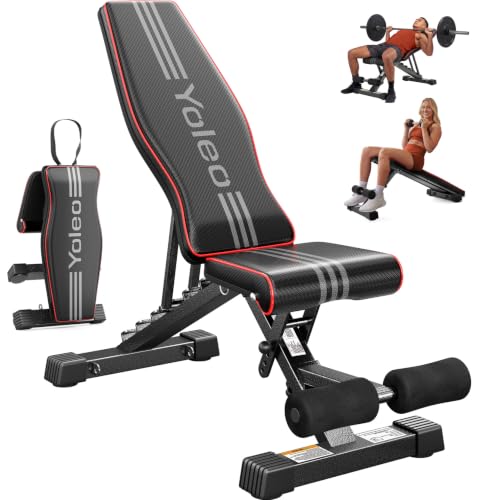
YOLEO Adjustable Weight Bench, ASTM-Certified 827LBS, 98% Pre-Assembled | Foldable Gym Bench with 84 Positions Incline Decline Flat, Wider Seat for Home Gym
Check price on Amazon
YOLEO Adjustable Weight Bench, ASTM-Certified 827LBS, Extended Backrest | Extended Head and Spine Support, 90 Positions Incline Decline Flat, 3s Fast Folding and Space Saving
Check price on Amazon
FDW | 46" Outdoor Garden Bench | Black | 480lbs Load Capacity | Heavy Duty Metal Patio Bench with Grid Design | Rust & Weather-Resistant | For Lawn, Yard, Parks, Patio, Porch, Entryway
Check price on Amazon
Adjustable Weight Bench for Home Gym, Foldable Workout Bench for Full Body Fitness Dumbbell Exercise, 600LBS Incline Decline Flat Bench with Resistance Bands for Strength Training
Check price on Amazon
DUMOS 43 Inch Foldable Storage Ottoman Bench, Large Ottoman with Storage | Storage Chest with Thicker Foam Padded Seat, End of Bed Foot Rest Stool for Bedroom Living Room Entryway, Linen Fabric, Gray
Check price on Amazon
CAP Barbell Flat Weight Bench, Black (FM-703B) | 500lb Capacity, Box-Stitched Padding, Steel Frame, Powder-Coat Finish, Compact Flat Design, Home Gym Training
Check price on AmazonReady to Choose Your Bench?
Compare bench styles, materials, and seating capacities to find the right fit for your patio, garden, or porch.
Explore Bench OptionsFrequently Asked Questions
What is the best material for an outdoor bench?
It depends on your climate and how much maintenance you want. Teak and powder-coated aluminum are excellent all-around choices for durability and weather resistance. Resin benches are a practical option for busy family spaces. Wicker works best in covered areas.
How long should an outdoor bench be?
Two-seat benches are usually around 40 to 48 inches wide, three-seat benches around 50 to 60 inches, and larger benches 60 inches and above. Measure your available space and leave 18 to 24 inches of clearance in front for comfortable access.
Can an outdoor bench stay outside all year?
Many benches are designed for year-round outdoor use, especially those made from teak, aluminum, or resin. In harsh winters, consider covering the bench or storing it in a shed. Cushions should always be brought inside or stored in a dry place during off-season.
How do I keep a wooden bench from graying?
Wood naturally weathers to a silver-gray patina over time. To retain the original tone, clean the bench and apply a fresh coat of outdoor wood oil or sealer each season. If you prefer the weathered look, simply clean it periodically.
Should I use a bench with a dining table?
Yes — a dining bench is a practical way to seat more people in the same footprint and create a casual, communal feel. Make sure the bench seat height matches the table height. A dining room table with bench and chairs is a good example of a mixed seating arrangement.
How do I protect a bench from rust?
Choose benches with powder-coated or rust-resistant finishes. Touch up any chips or scratches promptly, and keep the bench dry when possible. Avoid placing metal benches directly on damp ground for long periods.
Related Reading
If you are building out a complete outdoor seating plan, these guides may help:
- Outdoor benches overview — compare styles and configurations.
- Garden chairs — pair a bench with complementary seating.
- Lounge chairs — add reclining comfort to your patio.
- Outdoor patio seating sets — coordinate benches with sofas and chairs.
- Outdoor coffee tables — anchor a bench-centered seating area.
- Large outdoor rugs — define the zone around your bench.
- Propane fire tables — create a warm focal point near your bench.
- Garden loungers — combine lounging and bench seating.